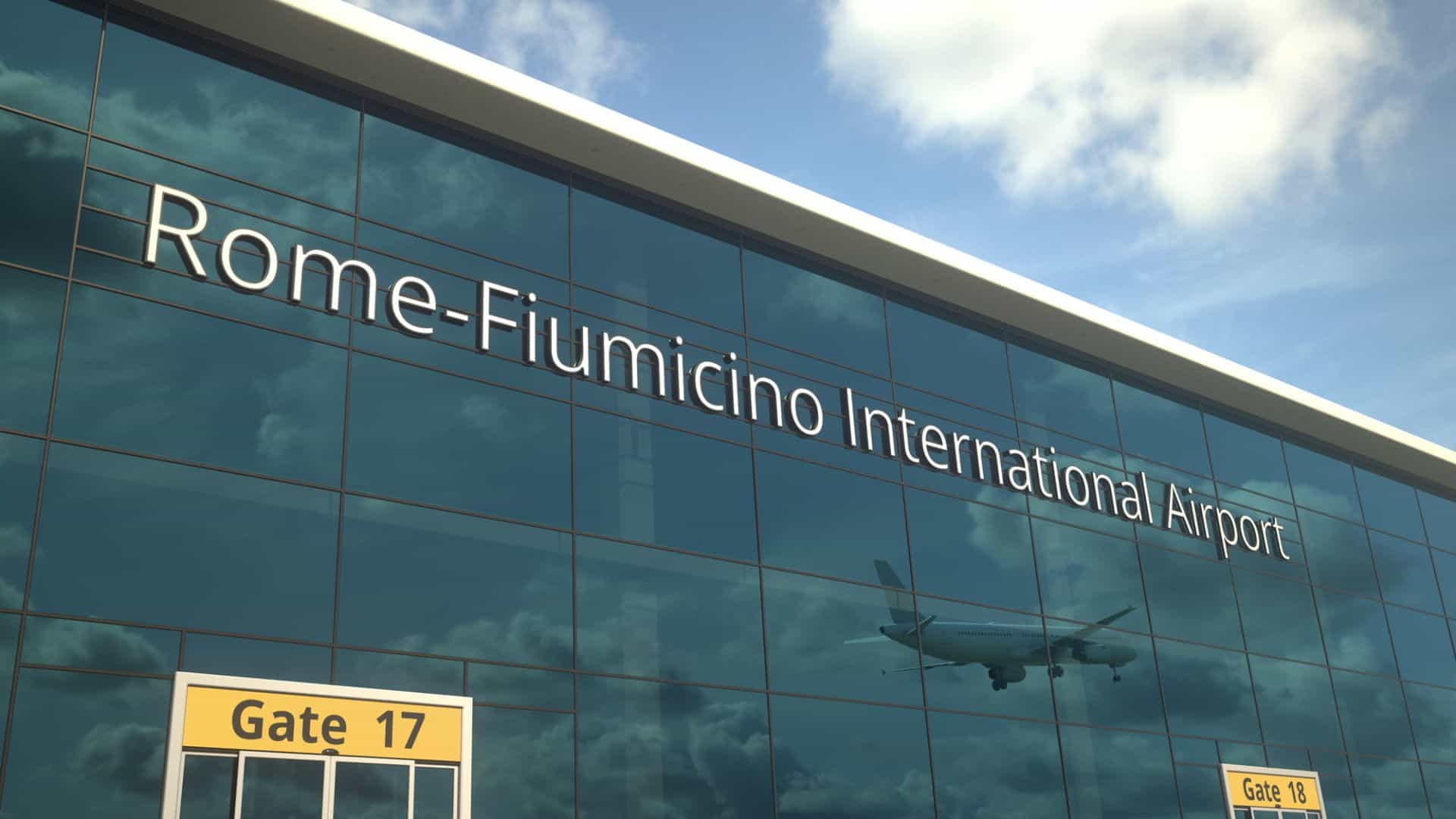
The energy landscape is undergoing a profound transformation, and while the daily fluctuations in crude markets capture significant investor attention, a parallel, equally impactful shift is occurring in infrastructure development. Rome’s Fiumicino International Airport, a major European hub, recently unveiled “Pioneer,” an ambitious 10 MWh energy storage system powered by 762 repurposed electric vehicle (EV) batteries. This project, Europe’s largest airport solar-battery integration, is more than an environmental initiative; it represents a tangible blueprint for how large-scale infrastructure is actively pursuing energy autonomy, decarbonization, and circular economy principles, signaling critical long-term investment trends that demand strategic consideration from oil and gas investors.
Capital Reallocation: Beyond Peak Oil to Peak Carbon
The Pioneer project at Fiumicino airport is a prime example of strategic capital reallocation towards sustainable infrastructure. By integrating a substantial battery energy storage system (BESS) with its existing solar farm, the airport operator, Aeroporti di Roma (ADR), is tackling the intermittency inherent in renewable energy sources head-on. This move strengthens energy resilience and autonomy, critical considerations for any large-scale industrial or transportation hub. The stated goal of reducing 16,000 tons of CO₂ over the next decade, in support of Fiumicino’s aggressive Net Zero by 2030 target, underscores a fundamental shift in corporate strategy. While traditional energy markets grapple with immediate supply-demand dynamics—as of today, Brent crude trades at $96.08, up 1.36%, with WTI at $92.7, gaining 1.56%—the underlying capital flows into projects like Pioneer reflect a long-term commitment to decarbonization that transcends short-term commodity volatility. This divergence highlights a growing chasm between traditional energy investment cycles and the new, infrastructure-heavy, green economy.
The Emerging Value Chain in Circular Energy Solutions
A key innovation within the Pioneer project is its reliance on second-life EV batteries from major manufacturers like Nissan, Mercedes-Benz, and Stellantis. This repurposing extends the useful life of batteries no longer suitable for vehicle propulsion, transforming what would otherwise be waste into a valuable asset for stationary energy storage. This approach creates a new, high-value segment within the circular economy, involving specialized integrators like Loccioni and scientific support from institutions such as the Fraunhofer Institute. For investors, this signals the emergence of new value chains and expertise beyond traditional resource extraction and processing. While our readers frequently inquire about the consensus 2026 Brent forecast or the drivers behind Asian LNG spot prices, the longevity and predictable revenue streams associated with sustainable infrastructure projects like Pioneer offer a compelling alternative. The ability to power approximately 3,000 U.S. homes for a day illustrates the scale and practical impact of this “blueprint for scaling circular economy practices in infrastructure-intensive sectors.”
Forward-Looking Investment Amidst Market Volatility
As we look ahead, the immediate future for crude markets will be shaped by significant upcoming events. With the Baker Hughes Rig Count scheduled for release this Friday, April 17th, and again on April 24th, investors will gain insights into North American supply dynamics. More critically, the OPEC+ Joint Ministerial Monitoring Committee (JMMC) meets on April 18th, followed by the full Ministerial meeting on April 20th. These meetings often dictate near-term supply policies, directly impacting crude price trajectories, which have seen Brent fall by approximately 8.8% from $102.22 on March 25th to $93.22 on April 14th. Weekly EIA and API inventory reports on April 21st, 22nd, 28th, and 29th will further refine the supply-demand picture. However, even as investors keenly analyze these data points to build a base-case Brent price forecast for the next quarter, projects like Fiumicino’s Pioneer demonstrate a resilient, forward-looking investment thesis. The strategic decisions made by major infrastructure players today are setting the stage for a future where energy autonomy and decarbonization are not just environmental goals, but critical economic imperatives, creating new avenues for capital deployment that are less susceptible to the geopolitical and production-related volatilities inherent in the traditional oil and gas sector.


