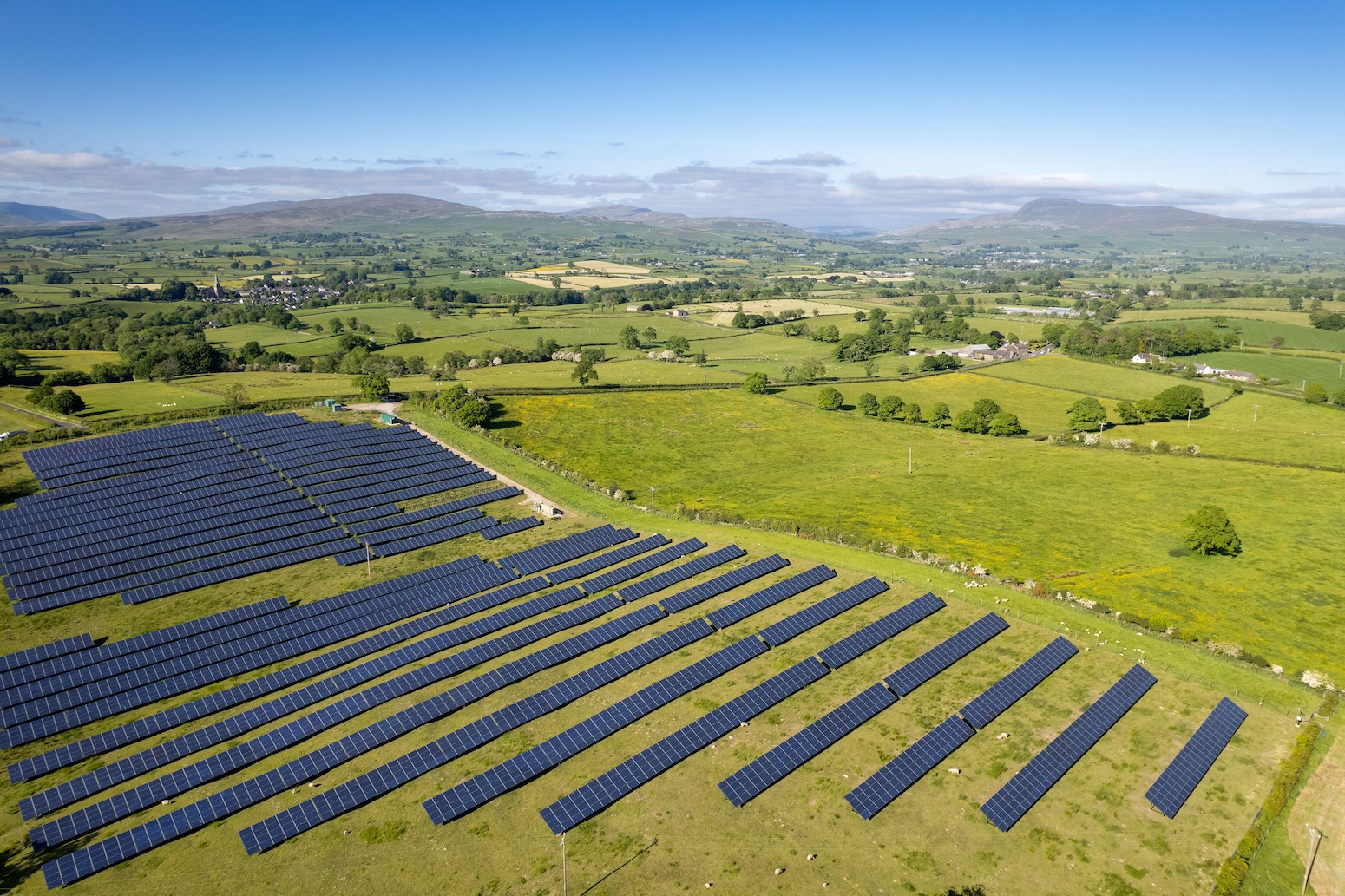
The United Kingdom’s energy landscape is undergoing a significant transformation, with solar power emerging as a surprisingly potent force. In the first five months of 2025, solar farms and rooftop installations across Great Britain shattered previous generation records, delivering a powerful signal about the accelerating energy transition. For oil and gas investors, this isn’t merely an environmental footnote; it’s a critical indicator of shifting demand dynamics, policy pressures, and the evolving competitive landscape for traditional hydrocarbons. Understanding this rapid growth and its implications is paramount for navigating future market volatility and optimizing energy portfolios.
UK Solar’s Record Surge and Economic Impact
From January to May 2025, UK solar assets generated an unprecedented 7.6 terawatt hours (TWh) of electricity. This represents a remarkable 42% increase from the 5.4 TWh produced in the same period last year, and a staggering 260% jump over the past decade. This surge culminated in a new half-hourly record of 13.2 gigawatts (GW) on April 6th and, for the first time, saw solar account for over 10% of monthly electricity generation in both April and May. While a record-sunny spring certainly played a role, a significant driver was the substantial increase in installed capacity, which reached 20.2 GW in 2024, up 2.3 GW from the previous year.
The economic benefits of this solar boom are tangible and immediate. The electricity generated by solar installations in 2025 to date has effectively avoided the need to import approximately £600 million worth of natural gas. This displacement not only enhances energy security but also prevented the release of an estimated 6 million tonnes of carbon dioxide (MtCO2). For investors tracking global energy flows and national decarbonization efforts, these figures underscore a growing divergence in energy sourcing, particularly in power generation, which inevitably impacts the long-term outlook for gas demand in developed economies.
Market Realities: Solar’s Place Amidst Persistent Hydrocarbon Demand
Despite its impressive growth, solar still occupies a specific niche within the broader UK electricity mix. In 2025 to date, solar ranked as the sixth-largest source of electricity, trailing significantly behind gas (37 TWh), wind (33 TWh), imports (18 TWh), nuclear (15 TWh), and biomass (8.0 TWh). This contextualizes solar’s rise: it’s a powerful disruptor in the power sector, but gas, wind, and other sources continue to shoulder the base load and flexibility demands. This dynamic is reflected in global commodity markets, where traditional energy sources maintain robust pricing despite renewable advancements.
As of today, Brent crude trades at $96.08, marking a 1.36% increase on the day, with WTI crude closely following at $92.70, up 1.56%. Gasoline prices also remain firm at $2.99 per gallon. This persistent strength in hydrocarbon markets, even as renewable capacity expands rapidly in regions like the UK, highlights a crucial dichotomy. While the UK’s energy transition accelerates, global demand for crude oil and refined products continues to be a dominant force. Furthermore, Brent has seen a nearly 9% dip over the last 14 days, moving from $102.22 to $93.22, demonstrating that short-term crude market volatility is still driven by a complex interplay of supply, geopolitical tensions, and global economic signals, largely independent of regional solar generation records. Investors must therefore balance the long-term structural shifts with immediate market fundamentals.
Forward Outlook: Policy Ambitions and Upcoming Market Catalysts
The UK government has set an ambitious target for solar capacity, aiming to reach at least 45 GW by 2030 as part of its broader strategy to decarbonize the power sector and establish the country as a “clean-energy superpower.” This aggressive expansion means solar’s contribution to the electricity mix will only continue to grow, directly impacting the demand for gas-fired power generation. This forward trajectory is a critical consideration for investors assessing long-term energy infrastructure and commodity demand.
While the UK pushes its solar agenda, the global oil and gas market will be navigating several immediate catalysts. The upcoming OPEC+ Joint Ministerial Monitoring Committee (JMMC) meeting on April 18th, followed by the full Ministerial meeting on April 20th, will be pivotal in shaping crude supply policy. Any decisions from these meetings regarding production levels will have a direct and immediate impact on global crude prices, influencing the profitability of oil and gas assets. Furthermore, investors will be closely watching the API Weekly Crude Inventory report on April 21st and the EIA Weekly Petroleum Status Report on April 22nd, with subsequent reports on April 28th and 29th. These inventory data points provide crucial short-term signals about demand and supply balances, often moving markets irrespective of long-term transition narratives. The interplay between these immediate market drivers and the long-term structural shift towards renewables creates a complex but opportunity-rich environment for astute investors.
Navigating Investor Sentiment and Portfolio Strategy
Our proprietary reader intent data reveals that many investors are keenly focused on building a base-case Brent price forecast for the next quarter and understanding the consensus 2026 Brent forecast. The impressive growth in UK solar, while primarily impacting European natural gas demand, undeniably feeds into the broader energy transition narrative that influences long-term demand projections for all fossil fuels. The push towards 45 GW of solar capacity by 2030 in the UK signals a clear policy direction that will increasingly put pressure on traditional power generation sources, including natural gas.
For oil and gas investors, this accelerating transition demands a nuanced portfolio strategy. While the short-term market for crude oil continues to be influenced by factors like OPEC+ decisions and inventory levels, as seen with Brent currently at $96.08, the long-term outlook necessitates an understanding of how renewables are displacing conventional fuels in key sectors. The UK’s solar surge is a case study in how quickly a region can pivot its energy mix. Investors should consider diversified exposure, evaluating companies with robust balance sheets and strategic plans for decarbonization or those positioned to benefit from the ongoing demand for infrastructure and materials required by both traditional and new energy sectors. The question is not if the energy transition is happening, but how fast, and where the smart money should be positioned.