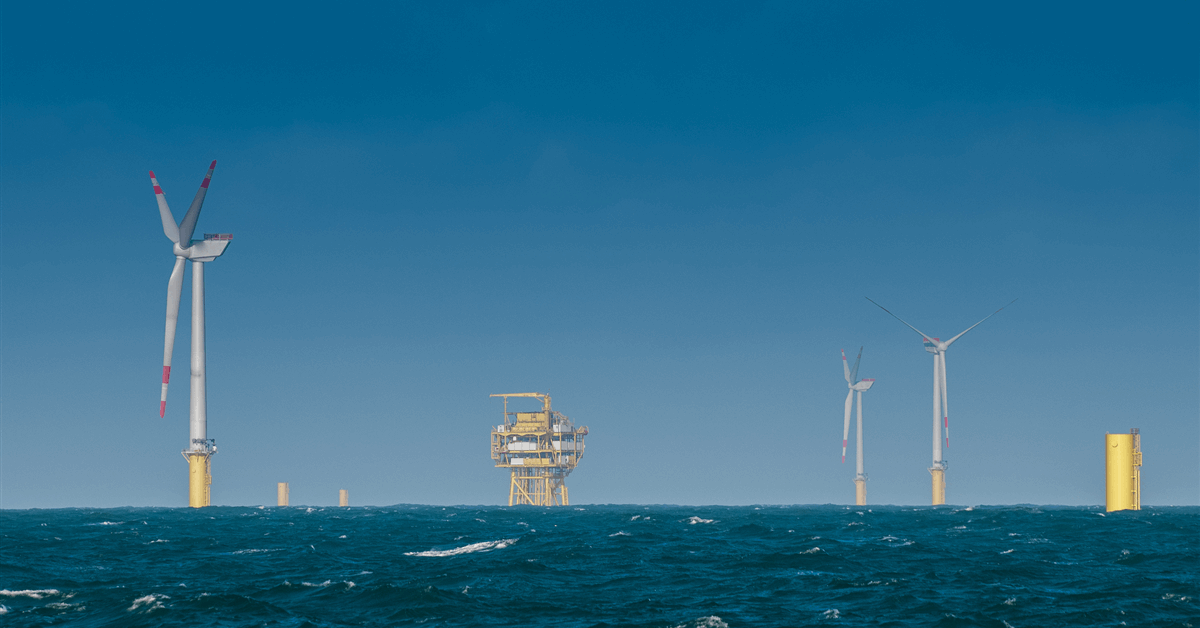
The United Kingdom’s ambitious pledge to achieve a clean power grid by 2030 is facing significant headwinds, casting a shadow of doubt over its feasibility and inadvertently extending the operational runway for traditional fossil fuel assets. A recent report from the House of Lords Industry and Regulators Committee underscores the formidable challenge, citing persistent planning delays and critical infrastructure bottlenecks that are severely impeding the rollout of renewable energy projects. For oil and gas investors, this development is more than just a domestic policy hiccup; it signals a potentially prolonged period of demand for conventional energy sources in a major European economy, influencing broader market dynamics and investment strategies.
UK’s Green Grid Ambition Hits Significant Turbulance
The path to a 95% low-carbon electricity supply by 2030, a cornerstone of the UK’s climate agenda, is proving far more arduous than initially anticipated. The target requires an unprecedented build-out of generation and network infrastructure, a pace Great Britain has not achieved in recent memory. A key metric, the need for at least 43 gigawatts of offshore wind capacity, nearly triples the country’s current operational volume. This monumental task is compounded by commercial realities; major developers are scaling back. Denmark’s Orsted A/S, a global leader in offshore wind, recently canceled a massive North Sea project, while SSE Plc has trimmed its renewables pipeline by approximately 2 gigawatts. Companies cite poor returns as the primary driver for these cutbacks, highlighting the economic challenges inherent in large-scale renewable deployment without sufficient policy de-risking or attractive tariff structures. The government’s own estimates suggest an annual investment gap of roughly £40 billion ($54 billion) needed to stay on track. This shortfall, coupled with project cancellations, directly implies a sustained, if not increased, reliance on gas-fired power generation to ensure grid stability and meet demand, presenting a bullish signal for natural gas markets and associated infrastructure investments in the region.
Current Market Sentiment: Brent Rebound Signals Underlying Strength
The UK’s energy policy struggles are unfolding against a backdrop of dynamic global oil markets. As of today, Brent Crude is trading at $96.28, marking a 1.57% increase, with WTI Crude similarly robust at $92.86, up 1.73%. This recent upward movement follows a notable dip over the past two weeks, where Brent retreated from $102.22 on March 25th to $93.22 by April 14th – an 8.8% decline. The subsequent rebound, however, suggests a robust underlying demand, with the UK’s extended fossil fuel outlook contributing to this narrative. The country’s continued dependence on gas and, by extension, oil for energy security adds to the global demand picture, providing a floor for prices that might otherwise be more volatile. Gasoline prices, currently at $2.99, also reflect this strength, indicating firm consumer demand. Investors monitoring these trends are keenly aware that regional policy challenges, even in developed economies, can ripple through international commodity markets, reinforcing the strategic value of diversified energy portfolios that include resilient oil and gas assets.
Policy Paralysis and the Search for Investor Confidence
The core issue hindering the UK’s green transition isn’t just technological feasibility, but a complex interplay of policy, economics, and investor confidence. The House of Lords report pointed to the need for greater transparency, recommending the government publish performance metrics against its 2030 target every six months. Such accountability could, in theory, restore some investor faith by signalling commitment and progress. Furthermore, the report floated the idea of shifting from a national pricing model to a zonal one, which could offer cheaper tariffs in areas with abundant wind power (like Scotland) and higher rates where demand is stronger. While potentially optimizing grid usage and lowering consumer bills, implementing zonal pricing is fraught with challenges. It would necessitate careful assessment of impacts on major generators and consumers unable to relocate, potentially requiring transitional support. This policy uncertainty creates a cautious environment for new renewable investments, making capital harder to attract without clearer long-term price signals and regulatory frameworks. For oil and gas investors, this regulatory quagmire means that, until these issues are resolved, the UK’s energy mix will lean heavily on existing, proven fossil fuel infrastructure, ensuring sustained revenue streams for conventional energy producers and transporters.
Navigating Future Volatility: Investor Focus and Upcoming Catalysts
Amidst these domestic policy challenges in the UK, the broader oil and gas investment community is intently focused on global supply-demand dynamics. Many investors are currently keen to build a robust base-case Brent price forecast for the next quarter, a sentiment reinforced by developments like the UK’s extended fossil fuel outlook which adds a layer of consistent demand. The upcoming calendar is packed with events that will significantly shape this outlook. This Friday, April 17th, the Baker Hughes Rig Count will provide an immediate read on drilling activity. More critically, the OPEC+ Joint Ministerial Monitoring Committee (JMMC) meets on April 18th, followed by the Full Ministerial meeting on April 20th. These gatherings will dictate supply policy for the coming months, and any decision to maintain or adjust production quotas will have an immediate impact on crude prices. Additionally, the regular cadence of API (April 21st, 28th) and EIA (April 22nd, 29th) weekly crude inventory reports will offer vital insights into U.S. demand and global supply balances. Investors must consider how the UK’s struggle to decarbonize its grid contributes to the overall global demand narrative, potentially strengthening the case for OPEC+ to maintain disciplined supply management, thereby supporting higher crude benchmarks. These collective data points and policy decisions, both micro and macro, will be instrumental in shaping investment decisions across the energy sector, favoring agile portfolios positioned to capitalize on both conventional and emerging energy trends.