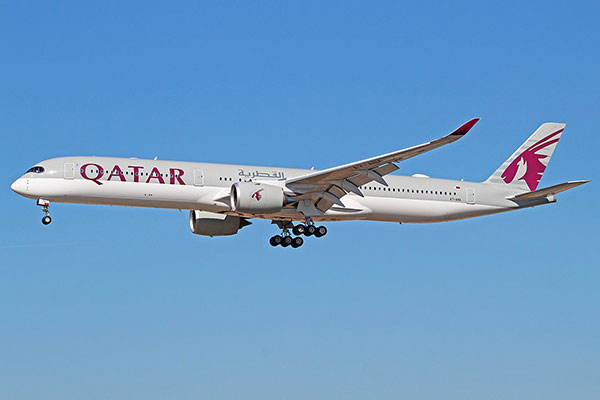
In a global energy market characterized by persistent volatility, strategic alliances aimed at optimizing logistics and enhancing operational efficiency are becoming increasingly critical for investors to watch. A prime example is the proposed Global Cargo Joint Business between Qatar Airways Cargo, IAG Cargo, and MASkargo, which is moving towards a late 2025 launch, pending regulatory approvals. This ambitious partnership is not merely an expansion of services; it represents a significant structural shift in global air freight, designed to create a single, unified network that promises new commercial avenues and operational resilience in the face of fluctuating fuel prices and evolving trade dynamics. For investors tracking the broader energy and logistics sectors, understanding the implications of such large-scale consolidation is key to anticipating future market movements and identifying value.
Navigating Fuel Costs: The Rationale for Scale
The imperative for efficiency in air cargo operations is acutely highlighted by the current energy market landscape. As of today, Brent crude trades at $96.28, marking a 1.57% increase for the day, with WTI not far behind at $92.86. This current price point, while up from yesterday’s low of $91, comes after a notable 8.8% decline from $102.22 just three weeks ago on March 25th. Such fluctuations in global energy benchmarks directly impact operating expenses for air freight carriers, where fuel can represent a substantial portion of costs.
In this environment, the strategic consolidation represented by the Qatar Airways Cargo, IAG Cargo, and MASkargo Global Cargo Joint Business gains significant traction. The ambition to combine freighter and passenger aircraft cargo space, streamline ground handling, and optimize trucking routes is a direct response to the imperative for cost efficiency and enhanced reliability. By creating a unified network across key regions including Asia, the Middle East, Africa, Europe, and the Americas, the partners aim to mitigate the impact of volatile fuel prices through scale, optimized asset utilization, and reduced operational redundancies, ultimately bolstering their competitive position and long-term profitability.
Upcoming OPEC+ Decisions and Air Freight Futures
Looking ahead, the next two weeks are packed with critical energy market catalysts that will undoubtedly influence the air cargo sector. The OPEC+ Joint Ministerial Monitoring Committee (JMMC) meets on April 18th, followed by the full Ministerial Meeting on April 20th. These gatherings are pivotal in shaping near-term crude supply policies. Should OPEC+ decide to maintain or even tighten current production quotas, we could see a floor established under crude prices, potentially pushing Brent back towards the $100 mark. For the air cargo sector, this translates to sustained pressure on fuel costs, making operational efficiencies even more valuable.
Other key energy events, such as the Baker Hughes Rig Count on April 17th and 24th, and the API and EIA weekly inventory reports on April 21st, 22nd, 28th, and 29th, will provide further granularity on supply-demand dynamics. This forward outlook underscores the long-term strategic value of the joint venture’s planned operational alignment. By late 2025, when the partnership aims to be fully operational, a more integrated and efficient network will be better positioned to absorb potential fuel price increases and offer stable, competitive rates across its expanded footprint. This proactive approach to market volatility reinforces the investment case for companies prioritizing resilience and strategic growth.
Addressing Investor Queries: Resilience and New Revenue Streams
Our proprietary reader intent data reveals a consistent focus among investors on forecasting Brent prices for the next quarter and the consensus 2026 outlook. There’s also keen interest in Asian energy dynamics, including Chinese ‘teapot’ refinery run rates and LNG spot prices, highlighting a broader concern for global trade and logistics resilience. The trilateral cargo partnership directly addresses these underlying anxieties by creating a robust, interconnected network designed for unprecedented efficiency and reliability.
The stated goal of offering new routings and seamless connectivity, previously unavailable through single bookings, isn’t just about customer convenience; it’s about unlocking entirely new commercial opportunities. For investors, this signifies a proactive move by these carriers to build resilience against market volatility while simultaneously tapping into diversified revenue streams through enhanced service offerings and expanded market reach. By aligning systems, combining capacity, and offering shared digital tools and loyalty benefits, the joint business aims to maximize asset utilization and create a ‘sticky’ customer base, thereby delivering consistent value in a dynamic global trade environment.
The Strategic Imperative: Network Expansion and Digital Transformation
Beyond mitigating fuel costs, the core of this joint business lies in transforming the global air cargo landscape. The emphasis on aligning systems and services, combining freighter and passenger aircraft cargo space, and optimizing ground handling and trucking represents a comprehensive overhaul of traditional interline agreements. As leadership has indicated, this isn’t merely an incremental improvement; it’s a “real step change” aimed at creating a network that is “more efficient, reliable, and coordinated” than anything offered through conventional arrangements.
The shift from disparate agreements to a unified, single network structure will significantly enhance operational throughput and reduce transit times, directly benefiting global supply chains. Furthermore, the integration of shared digital tools is a critical component, promising greater transparency, easier booking, and real-time tracking capabilities that are increasingly demanded by modern logistics clients. This digital transformation provides a substantial competitive edge, allowing the combined entity to offer superior service levels and capture a larger share of the global air cargo market.
ESG Considerations: Beyond Commercial Gains
In a move that resonates with growing investor focus on Environmental, Social, and Governance (ESG) factors, the Global Cargo Joint Business also incorporates a significant corporate social responsibility element: a partnership with the UN World Food Program. The commitment to donate 1,000 tons of free cargo space for humanitarian aid shipments not only provides tangible support for critical global efforts but also enhances the corporate reputation of all three carriers.
This initiative demonstrates a commitment to leveraging their logistical capabilities for broader societal benefit, potentially attracting investors who prioritize strong ESG credentials in their portfolios. In an era where corporate responsibility is increasingly scrutinized, such partnerships can differentiate companies and build long-term trust with stakeholders, adding another layer of value beyond the immediate commercial benefits of the joint venture.