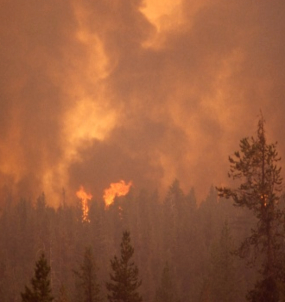
Western Canada’s critical oil sands region is once again grappling with the specter of widespread wildfires, prompting significant operational disruptions and evacuations across northern Alberta. This unfolding situation introduces a fresh layer of supply uncertainty into global energy markets, forcing investors to re-evaluate short-term production forecasts and the resilience of Canadian crude supply chains. While the full extent of the impact remains dynamic, major producers have already announced curtailments and delays, underscoring the inherent vulnerabilities of energy infrastructure in fire-prone regions. For oil and gas investors, understanding these localized disruptions within the broader market context is paramount to navigating potential price volatility and supply shifts.
Immediate Production Halts and Operational Challenges
The intensifying wildfires have directly impacted key oil sands operations, leading to precautionary measures and immediate production adjustments. Canadian Natural Resources Ltd., a dominant player in the region, confirmed the evacuation of personnel from its Jackfish 1 oil sands project. This necessary safety measure resulted in the halt of approximately 36,500 barrels per day (bpd) of bitumen production. Such a curtailment, while significant regionally, highlights the critical balance operators must strike between maintaining output and ensuring worker safety amidst environmental threats.
Similarly, MEG Energy Corp. implemented proactive evacuations of non-essential staff from its Christina Lake project. More critically, the wildfire’s proximity caused an outage to a vital third-party power line, disconnecting the project from the primary grid. While MEG Energy continues to produce oil from its main operations, this power disruption has delayed the planned startup of an additional 70,000 bpd of production. This delay alone represents a substantial volume that the market was anticipating, now pushed back indefinitely until power is restored and safety can be assured. Cenovus Energy Inc. also signaled potential delivery disruptions from one of its assets and initiated staff evacuations in the Cold Lake area, further illustrating the widespread nature of these operational challenges across the oil sands basin. These incidents collectively underscore the logistical and infrastructure vulnerabilities that wildfires pose to even the most robust energy projects.
Market Response Amidst Global Price Dynamics
The Canadian wildfire-induced supply disruptions are unfolding against a backdrop of complex global crude market dynamics. As of today, Brent crude trades at $96.13 per barrel, marking a 1.41% increase since the start of the trading day, with WTI crude similarly rising by 1.18% to $92.36. This immediate uptick suggests some market sensitivity to supply concerns, yet it also needs to be viewed in a broader context. Over the past two weeks, Brent crude had experienced a notable downward trend, declining by nearly 9% from $102.22 to $93.22 per barrel. The current price surge, therefore, reflects a potential rebound influenced by multiple factors, with Canadian supply interruptions serving as a contributing, albeit not singularly dominant, catalyst.
While the total announced curtailment of 36,500 bpd from CNRL and the delayed 70,000 bpd from MEG Energy represent a tangible loss of supply, the global market is vast. The impact of these specific Canadian outages on overall crude prices must be weighed against other prevailing bullish and bearish forces, including geopolitical tensions, demand outlooks from major economies, and the strategic actions of key oil-producing nations. For investors, the key lies in discerning how much of the current price movement is attributable to this localized disruption versus broader market sentiment and other underlying drivers.
Forward Outlook: Wildfires, OPEC+, and Inventory Shifts
The timing of these Canadian wildfires adds a layer of complexity to the immediate forward outlook for global crude markets. Investors are keenly focused on upcoming calendar events that will shape supply-demand perceptions. Critical OPEC+ meetings are scheduled for April 18th (JMMC) and April 20th (Full Ministerial), where key decisions regarding production quotas will be made. While the Canadian disruptions are regional, any persistent or escalating supply issues globally can subtly influence the group’s discussions and potentially reinforce arguments for maintaining or adjusting current output levels.
Furthermore, the market will be closely watching weekly inventory reports. The API Weekly Crude Inventory data is due on April 21st and 28th, followed by the more comprehensive EIA Weekly Petroleum Status Report on April 22nd and 29th. While Canadian crude typically has a specific journey to market, extended disruptions could eventually manifest in altered refinery feedstock availability or shifts in North American inventories, particularly if alternative supplies are required to fill the gap. Persistent wildfires could disrupt not only production but also transportation infrastructure, impacting pipeline flows and delivery schedules. Investors should monitor these upcoming reports not just for headline inventory numbers, but also for regional breakdowns and any commentary that might hint at the lingering effects of the Alberta fires on North American crude flows.
Addressing Investor Concerns: Supply Security and Price Forecasts
Our proprietary reader intent data reveals a consistent focus from our investor community on understanding crude price trajectory, with frequent queries regarding a base-case Brent price forecast for the next quarter and the broader consensus for 2026. These Canadian wildfire disruptions, while localized, feed directly into the intricate supply-demand calculus that underpins such forecasts. Even relatively small, unexpected supply outages from a significant producer like Canada contribute to the overall tightness or looseness of the global market.
While the market is not currently facing a catastrophic supply shock from Alberta, the incidents serve as a potent reminder of the fragility of energy supply chains in the face of environmental threats. This adds a risk premium element to future price considerations. When assessing Brent forecasts, investors must now factor in not just geopolitical events and OPEC+ policy, but also the increasing frequency and intensity of climate-related disruptions in key production zones. The current situation in Alberta, coupled with other potential supply challenges globally, suggests that a resilient supply-side narrative is becoming harder to maintain, potentially lending support to higher price floors in the medium term. Monitoring the speed of recovery for CNRL and MEG Energy, alongside the broader trend in North American crude inventories, will be crucial for refining those quarterly and annual price outlooks.


