Alberta Wildfires Ignite Supply Concerns for Oil Sands Investors
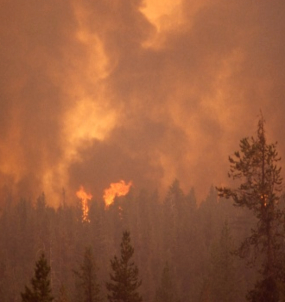
The specter of wildfires once again looms large over Canada’s critical oil sands region in Alberta, posing a significant and immediate threat to a substantial portion of the nation’s crude output. As multiple blazes rage across the province, energy market participants are closely monitoring the potential for supply disruptions, with an estimated 245,000 barrels of oil per day (bopd) currently within a perilous 20-kilometer (12-mile) radius of active fire zones. This volume represents approximately 5% of Canada’s total crude production, highlighting the material risk to the global energy supply chain.
The situation has escalated rapidly. Just days prior, Alberta contended with only four out-of-control fires. Today, that number has surged to 26, fueled by an ongoing spell of hot, dry weather conditions that are proving highly conducive to fire spread. For investors in Canadian energy, this presents a critical operational challenge and a potential catalyst for price volatility in heavy crude markets.
Operational Impacts and Corporate Responses
The direct impact of these fires is already manifesting across the vast expanse of Alberta’s energy landscape. A particularly aggressive blaze near Cold Lake, situated along the province’s eastern border, has expanded dramatically, now covering more than 9,000 hectares. This fire’s proximity has prompted Cenovus Energy Inc. to proactively remove non-essential personnel from its Foster Creek oil sands facility, a prudent measure to ensure safety and maintain operational integrity should the threat intensify. While Cenovus has not reported production curtailments at Foster Creek, the demobilization of staff signals a heightened state of alert for this significant oil sands investment.
Further north, Canadian Natural Resources Ltd. (CNRL) has confirmed that operations at its Kirby oil sands site remain “steady,” indicating that this facility is currently at a safer distance from the most immediate fire fronts. However, the fluid and unpredictable nature of wildfires means continuous vigilance is paramount for all operators in the region. These proactive and reactive measures by major producers underscore the inherent risks of operating in an environment increasingly prone to such natural phenomena, demanding robust risk management strategies for energy sector investment.
Historical Precedent and Market Sensitivity
Canada, ranking as the world’s fourth-largest oil producer, has a well-documented history of its energy sector grappling with the severe disruptions caused by spring and summer wildfires. The devastating events of 2016 serve as a stark reminder of the potential scale of such impacts. That year, an inferno engulfed parts of Fort McMurray, the vital hub of the oil sands region, leading to the shutdown of massive mining operations north of the city. The result was a staggering reduction of over 1 million barrels per day in production, sending shockwaves through global crude markets and significantly impacting Canada’s economic output.
This historical context is crucial for investors assessing the current situation. The market’s memory of past disruptions means even the threat of curtailments can influence pricing. Indeed, financial markets have already begun to react, with the discount for Canadian heavy crude against the U.S. benchmark West Texas Intermediate (WTI) narrowing significantly. On Thursday, this differential tightened to $9.45 per barrel, marking the narrowest spread observed since May 15. This narrowing suggests an anticipation of potential supply constraints, making Canadian heavy crude relatively more attractive or reflecting reduced availability in the market due to the Alberta wildfires impact.
Weather Challenges and Containment Efforts
The ongoing battle against these fires is severely complicated by challenging meteorological conditions. Persistent and robust winds are significantly hampering the efforts of firefighting crews attempting to contain the multiple blazes north of Edmonton. Compounding this, northern and central Alberta remain under heat warnings, with daytime temperatures soaring to 30°C (86°F). Such extreme heat not only exacerbates the fire risk by drying out vegetation but also poses a serious threat of heat exhaustion and heat stroke to the dedicated personnel on the front lines, further complicating containment.
The immediate forecast offers little respite. While Friday is expected to bring slightly cooler temperatures, strong winds are projected to continue sweeping in from the south and west, potentially gusting up to 50 kilometers (30 miles) per hour. This combination of dry conditions and high winds creates an ideal environment for rapid fire propagation, making containment exceedingly difficult. According to Brett Anderson, a meteorologist with AccuWeather Inc., “Tomorrow is going to cool down, but unfortunately there will be a lot of wind coming through those areas tonight. The fires up in those areas aren’t going anywhere.” This expert assessment underscores the tenacity of the current fire situation and its implications for Canadian crude production stability.
A more favorable shift in weather is not anticipated until Saturday, when showers are forecast to arrive, accompanied by a more significant drop in high temperatures to around 22°C. Until then, the risk of fire expansion and increased pressure on oil sands operations remains elevated, keeping energy investors on high alert for potential supply disruption in the heavy oil sector.
Broader Regional and Smaller Producer Impacts
Beyond the major oil sands players, the wildfires are also impacting communities and smaller energy producers across the region. The town of Swan Hills in central Alberta, for instance, has been placed under an evacuation order due to a nearby fire. This particular blaze has already compelled Aspenleaf Energy Ltd., a smaller oil driller, to shut in approximately 4,000 barrels of daily production equivalent. This demonstrates that the impact is not confined to the largest operators but extends to smaller, independent players whose proportional production losses can be highly significant to their bottom line and overall operational continuity.
Furthermore, well sites operated by Texcal Energy Canada Inc. are now reportedly within the perimeter of this same fire, indicating an immediate and direct threat to their infrastructure and ongoing operations. The cascading effects of these wildfires—from operational shutdowns and evacuation orders to market price differentials—underscore the multifaceted risks facing the Canadian energy sector. Investors must factor in these environmental challenges as a recurring and increasingly potent variable in their assessment of long-term stability and profitability within the Alberta oil sands, influencing strategic decisions for oil and gas investing.