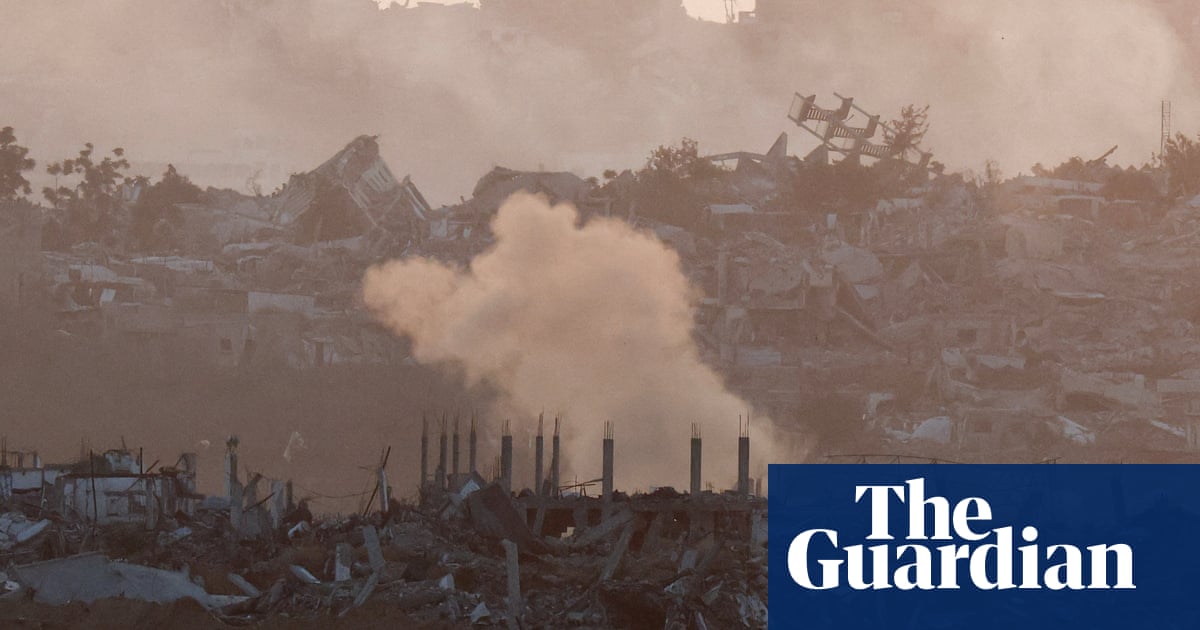
The protracted conflict in Gaza has unleashed a staggering environmental cost, presenting significant new considerations for investors focused on ESG metrics and geopolitical risk within the oil and gas sector. Fresh analysis reveals that the carbon footprint generated over the initial 15 months of hostilities far surpasses the annual planet-warming emissions of a hundred individual nations, injecting a formidable headwind into the global climate emergency narrative.
For energy investors, this isn’t merely an environmental statistic; it signals a growing and unquantified liability. A comprehensive study, recently brought to light, estimates that the long-term climate impact stemming from the destruction, subsequent clearing, and eventual rebuilding of Gaza could soar beyond 31 million tonnes of carbon dioxide equivalent (tCO2e). To put this into perspective, this figure eclipses the combined annual greenhouse gas emissions reported by Costa Rica and Estonia for 2023. Crucially, a glaring gap in international accountability exists: there is currently no mandate for states to report their military emissions to the United Nations climate body, leaving a vast, opaque area for investors attempting to gauge global climate progress and associated risks.
The sheer asymmetry of the conflict’s energy consumption is stark. While Hamas’s operational emissions, primarily from bunker fuel and rockets, account for approximately 3,000 tCO2e – a mere 0.2% of the total direct conflict emissions – the Israeli military (IDF) is responsible for a substantial 50% of these direct conflict-related emissions. This overwhelming proportion stems from the supply and deployment of its extensive arsenal of weapons, tanks, and other ordnance. This data underscores the immense energy intensity of modern warfare, predominantly powered by fossil fuels, and its direct contribution to global emissions. For companies operating in the energy sector, this highlights the persistent demand for conventional fuels in geopolitical flashpoints, even as the world grapples with decarbonization goals.
The broader environmental ramifications extend far beyond direct military activities. The relentless burning of fossil fuels, whether in combat or civilian life, continues to fuel climate chaos, manifesting in increasingly severe and destructive extreme weather events globally. The Gulf region, a strategic heartland for the global oil and gas industry, stands as one of the most susceptible areas to such slow-onset climate disasters. This includes escalating droughts, widespread desertification, periods of extreme heat, and erratic rainfall patterns. The intertwining of environmental degradation, food insecurity, and critical water shortages in such a vital energy-producing region adds layers of complexity and risk for investors assessing long-term stability and operational continuity.
Quantifying the Unseen Climate Cost
This latest research, published through the Social Science Research Network, represents the third and most exhaustive analysis by a joint team of UK and US-based researchers. It scrutinizes the climate cost incurred during the initial 15 months of this particular conflict, a period marked by profound human tragedy with over 53,000 Palestinian lives lost, alongside widespread infrastructure devastation and an unfolding environmental catastrophe. Importantly, this study also offers the first, albeit partial, glimpse into the carbon footprint generated by Israel’s other recent regional military engagements, specifically those involving Yemen, Iran, and Lebanon.
The cumulative long-term climate cost attributable to Israel’s military actions in Gaza, combined with its recent regional exchanges, paints an alarming picture. Researchers estimate this figure to be equivalent to the energy required to charge 2.6 billion smartphones or power 84 gas power plants for an entire year. This includes an estimated 557,359 tCO2e linked to the occupation-era construction of Hamas’s extensive tunnel network and Israel’s formidable “iron wall” barrier. These figures are not abstract; they represent tangible energy consumption and highlight the massive resource allocation directed towards conflict and defense infrastructure, with direct implications for global energy demand and carbon budgets.
Implications for ESG and Energy Investment
For investors, this emerging data on military emissions introduces a new dimension to ESG analysis. As global climate reporting standards evolve, pressure may mount for greater transparency regarding military carbon footprints. This could eventually impact defense contractors, energy suppliers to military forces, and even sovereign bond ratings, as nations grapple with their overall carbon liabilities. The financial burden of post-conflict clean-up and reconstruction, alongside the long-term damage to vital resources like land, food, and water sources, will inevitably translate into significant economic costs, potentially impacting regional stability and investment attractiveness.
The resumption of environmental destruction and fatalities in Gaza, following Israel’s unilateral violation of a ceasefire after just two months, underscores the ongoing nature of these carbon-intensive activities. While the immediate focus remains on humanitarian concerns, the financial and environmental community is increasingly recognizing the imperative to quantify and assign accountability for the climate and environmental costs of war and occupation. These findings lay foundational groundwork, potentially enabling future calculations for compensation and environmental remediation, which could have profound implications for international finance and the flow of capital into affected regions.
In conclusion, the escalating carbon footprint of geopolitical conflicts, particularly the extensive emissions from the Gaza war, represents a critical, often overlooked, ESG factor for oil and gas investors. The sheer scale of emissions, coupled with the lack of mandatory reporting, creates a significant blind spot in global climate accounting. As the world pushes towards net-zero, the energy-intensive nature of warfare and its long-term environmental and financial liabilities will increasingly demand scrutiny. Investors must integrate these evolving geopolitical and environmental risks into their due diligence, recognizing that the true cost of conflict extends far beyond immediate human tragedy to long-lasting climate and financial burdens that will shape the global energy landscape for decades to come.


