The global energy landscape is undergoing an unprecedented transformation, with decarbonization initiatives increasingly dictating strategic direction and capital allocation within the oil and gas sector. Amidst this pivotal shift, a critical bottleneck has emerged: the widespread lack of accessible, precise emissions data. This data deficit often leads to suboptimal investment decisions and undermines genuine progress towards net-zero goals.
Addressing this fundamental challenge head-on, climate solutions innovator Watershed recently unveiled an open and publicly available version of its extensive global emissions database. This strategic move aims to equip organizations across all sectors, including the energy industry, with the foundational accuracy needed to forge effective decarbonization pathways and make financially sound environmental decisions.
The Data Imperative for Oil & Gas Decarbonization
For oil and gas companies, the pressure to quantify, report, and reduce greenhouse gas emissions has never been higher. Investors, regulators, and the public demand transparency and demonstrable action on sustainability. Yet, the path to accurate reporting and effective carbon footprint reduction is often obscured by inconsistent or incomplete data. Misleading emissions figures can result in misdirected capital, inefficient operational changes, and a failure to meet increasingly stringent ESG (Environmental, Social, and Governance) benchmarks, ultimately impacting shareholder value.
San Francisco-based Watershed, established in 2019, has rapidly become a key player in enterprise sustainability, offering a robust platform designed to streamline the measurement, reporting, and reduction of greenhouse gas emissions. Their core offering helps companies navigate complex climate goals and comply with evolving sustainability reporting mandates. The newly public database, known as the Comprehensive Environmental Data Archive (CEDA), represents a significant leap forward in democratizing access to crucial environmental intelligence.
Unlocking Global Emissions Insights with CEDA
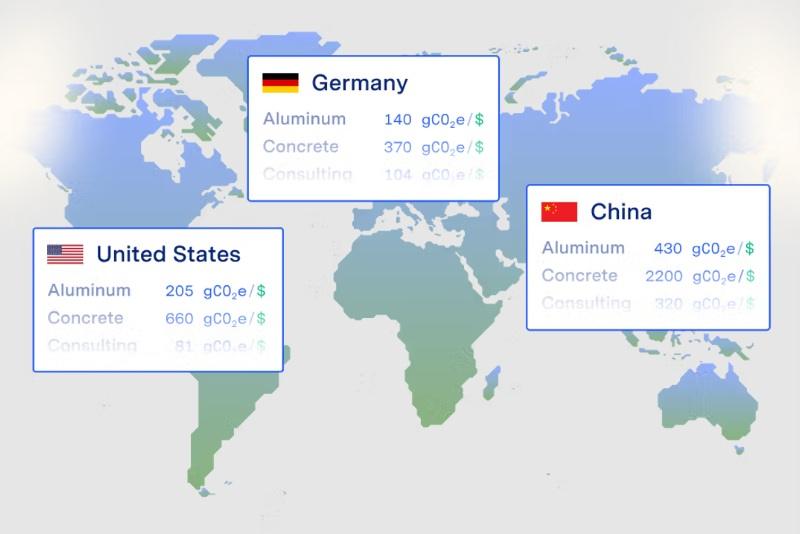
CEDA’s launch as an open-access resource is poised to revolutionize how companies approach their environmental strategies. The database is remarkably comprehensive, encompassing emissions data from 148 countries, spanning 400 distinct industries, and collectively covering an impressive 95% of global GDP. This expansive scope is particularly valuable for large, multinational oil and gas firms with complex supply chains and diverse operational footprints across multiple geographies.
The genesis of CEDA traces back to environmental database provider VitalMetrics, a company Watershed strategically acquired in 2023. This acquisition brought together deep expertise in data aggregation and sustainability analysis, culminating in the powerful, harmonized dataset now available to the public. For the oil and gas industry, this means an unprecedented opportunity to benchmark emissions, identify hotspots, and evaluate the true impact of their operations and investments with greater precision.
Christian Anderson, Co-founder of Watershed, underscored the database’s transformative potential, stating that superior data inherently leads to superior decisions. By making CEDA publicly available, Watershed aims to furnish organizations of all sizes with a more reliable bedrock for critical sustainability choices. This initiative seeks to standardize measurement methodologies across the global economy, thereby accelerating the transition towards an economy that is fundamentally informed by climate considerations – a transition from which the energy sector cannot afford to be absent.
Addressing the Pervasive Problem of Skewed Data
The urgency behind CEDA’s public release is driven by a recognized deficiency in existing sustainability data. Many organizations currently grapple with a lack of access to high-quality, up-to-date environmental information, often forcing them to rely on outdated or geographically biased datasets. This challenge has tangible financial and strategic repercussions.
For instance, a striking revelation from Watershed indicates that of the companies reporting to the global independent environmental disclosure system CDP in 2023, a staggering 75% appeared to be utilizing datasets disproportionately skewed towards a single country. This geographical imbalance fundamentally misrepresents the true global distribution of their operations and, consequently, their actual emissions profile. For a sector like oil and gas, with assets and activities spanning continents, such inaccuracies can lead to severe misallocations of capital, ineffective decarbonization projects, and a distorted view of their overall environmental impact.
Imagine an oil and gas major trying to optimize its global methane abatement strategy using data heavily weighted to North American operations, while neglecting significant emissions sources in, say, West Africa or Southeast Asia. The financial investments in reduction technologies would be misplaced, and the reported progress towards climate goals would be fundamentally flawed, risking both regulatory penalties and investor scrutiny.
Industry Collaboration and Enhanced Accessibility
The impact of CEDA extends beyond individual company benefits, fostering a collaborative ecosystem for climate action. Watershed has confirmed that several key organizations are integrating the free CEDA database as partners, signaling a broad industry acceptance and utility. Among these strategic collaborators is Amazon’s Sustainability Exchange, a platform dedicated to providing tools and information to accelerate environmental innovation. The Exchange, which includes the Amazon Sustainability Data Initiative (ASDI), actively works to enhance the accessibility of crucial emissions data.
Michelle Jolly, Director of Sustainability Solutions at Amazon, emphasized the importance of high-quality environmental data for driving meaningful climate action across all sectors. She noted that the Exchange strives to democratize access to tools and knowledge necessary for addressing shared climate challenges. By incorporating Open CEDA into both the Exchange and ASDI, Amazon is helping dismantle barriers that prevent organizations of all sizes, including those in the energy value chain, from accessing the emissions data essential for informed sustainability decisions.
The Investment Imperative for Oil & Gas
For investors focused on the oil and gas sector, the availability of CEDA represents a significant development. It offers a standardized, transparent, and comprehensive data source that can inform investment analysis, risk assessment, and portfolio construction. Companies that proactively integrate CEDA into their ESG reporting and decarbonization strategies will likely gain a competitive advantage, demonstrate stronger governance, and attract capital from increasingly sustainability-conscious investors.
The ability to accurately measure and report emissions across complex global operations is no longer merely a compliance exercise; it is a fundamental driver of long-term value. Oil and gas companies leveraging robust data like CEDA can more effectively identify opportunities for operational efficiency, evaluate the return on investment of decarbonization technologies, and strategically navigate the energy transition. In a market where capital is increasingly flowing towards sustainable endeavors, precise emissions data is becoming as critical as reserves data for financial performance and market valuation.
Watershed’s initiative heralds a new era of data-driven decarbonization. For the oil and gas industry, embracing such open and accurate resources will be paramount for securing future investment, maintaining social license, and successfully transitioning into a low-carbon energy future.


