In a groundbreaking move setting a potential precedent for climate finance across the United States, Hawaii has enacted legislation designed to bolster its resilience against the escalating impacts of climate change. This initiative, spearheaded by Governor Josh Green, introduces a significant increase in taxes on visitor accommodations and cruise ship bills, earmarking the anticipated revenue for critical environmental protection and climate adaptation projects. For investors monitoring the global energy transition and the financial implications of climate risk, this development signals a growing trend of localized funding mechanisms for environmental challenges.
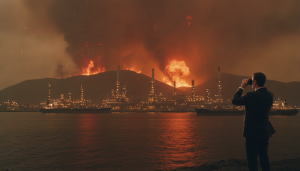
The newly signed bill represents a pioneering effort within the U.S. to directly levy a charge aimed at funding climate crisis mitigation and adaptation. Officials project this enhanced tax structure will generate nearly $100 million annually. This substantial capital injection is slated for a range of vital projects, including the replenishment of rapidly eroding shorelines, such as those impacting Waikiki Beach, and the promotion of structural enhancements like hurricane clips to fortify buildings against increasingly severe weather events. Furthermore, a portion of these funds will be dedicated to combating the proliferation of flammable invasive vegetation, a critical measure in preventing catastrophic wildfires reminiscent of the blaze that devastated Maui two years ago, claiming 102 lives.
Understanding the Financial Mechanics of Hawaii’s Climate Levy
The core of this new fiscal policy involves an additional 0.75% imposition on the daily rate for hotel rooms and vacation rentals. This adjustment, effective from January 1, translates to an approximate extra $3 on a $400 daily room charge. While seemingly modest per transaction, its cumulative impact is considerable. This increment pushes the state’s existing 10.25% short-term accommodation tax up to 11%. When combined with various county-level charges, visitors will face an aggregate levy nearing 19% on their lodging, positioning Hawaii among the states with the highest accommodation tax rates nationwide.
Beyond land-based accommodations, the legislation extends its reach to the maritime tourism sector. A new 11% tax will be applied to cruise ship bills, commencing in July 2026. This charge will be prorated based on the duration vessels spend in Hawaii’s ports, effectively harmonizing the taxation of cruise tourism with that of land-based visitor stays. This comprehensive approach underscores a commitment to equitable burden-sharing across all facets of the state’s lucrative tourism industry.
Strategic Investment in Climate Resilience and Environmental Stewardship
Governor Green has articulated a clear vision for how these newly acquired funds will be deployed. While initial proposals for a dedicated climate fund were ultimately channeled into the state’s general fund by lawmakers, a collaborative framework ensures the governor will request legislative appropriations for specific initiatives. These include safeguarding native ecosystems, flora, and fauna, enhancing overall climate resilience, and mitigating the environmental footprint of tourism activities. This strategic allocation of resources is crucial for preserving the natural allure that underpins Hawaii’s economy and quality of life.
The emphasis on projects like coastal protection and wildfire prevention highlights the tangible and immediate threats posed by climate change. For energy investors, understanding these vulnerabilities is key; as more regions confront similar challenges, the demand for resilient infrastructure, potentially powered by sustainable energy solutions, will inevitably rise. This local policy decision, therefore, offers a microcosm of larger global trends in climate adaptation financing.
A Bellwether for Future Climate Policy and Energy Transition Funding?
Governor Green has not shied away from suggesting that Hawaii’s bold fiscal strategy could serve as a blueprint for other jurisdictions globally grappling with climate-induced disasters. “Addressing these crises necessitates innovative financial mechanisms,” Green remarked, emphasizing the imperative for proactive governance. This perspective holds significant weight for the energy sector, as it implies a future where governments increasingly seek direct funding streams to finance climate adaptation and transition initiatives, potentially impacting demand patterns for conventional energy sources or accelerating investment in renewables.
The dialogue surrounding this tax increase also touched upon its economic implications. Governor Green maintained that the incremental cost for tourists would be negligible, predicting that many visitors, drawn by Hawaii’s natural beauty, would readily support efforts to protect its pristine environment and communities. This sentiment was echoed by elements of the local hotel industry, which ultimately endorsed the measure, acknowledging its potential to enhance the long-term visitor experience and contribute to the “greater good” of the state and the planet.
Transparency and Long-Term Economic Sustainability
Adrian Tam, a state representative and the chair of the House tourism committee, underscored the critical importance of transparent and effective utilization of these funds. Tam, whose district includes Waikiki, articulated that public trust in the state’s stewardship of these revenues is paramount. He stressed that Hawaii’s renowned tourism brand is intrinsically linked to its unspoiled natural environment. “Without immediate action,” Tam warned, “our visitor industry faces significant challenges.” This highlights a broader economic truth: sustainable environmental practices are increasingly integral to long-term economic viability, even for sectors seemingly distant from direct energy production.
For financial analysts and investors in the energy sector, Hawaii’s new climate tax provides compelling insights. It illustrates how local governments are innovating to fund climate resilience, potentially shifting investment priorities and creating new markets for adaptation technologies and sustainable infrastructure. The move underscores the growing financialization of climate risk and the increasing imperative for all industries, including energy, to account for and adapt to a changing global climate landscape. This proactive funding strategy in Hawaii may well be an early indicator of broader shifts in how societies finance their transition to a more resilient, lower-carbon future.