Southeast Asia’s Energy Crossroads: A New Era Dawns
A landmark agreement is poised to fundamentally reshape the energy landscape of Southeast Asia, signaling a powerful shift towards integrated renewable power grids and presenting significant new investment opportunities. Leading energy conglomerates from Malaysia, Singapore, and Vietnam have formalized a collaborative effort to assess the viability of exporting clean energy from Vietnam to its two neighboring nations. This initiative, underpinned by a new subsea cable network, marks a pivotal moment in the region’s energy transition, drawing keen interest from global energy investors.
Forging a Green Electron Corridor
The strategic alliance brings together an unincorporated consortium, the MY Energy Consortium, comprising Malaysia’s national oil and gas giant Petroliam Nasional Bhd. (Petronas) and Tenaga Nasional Bhd., the nation’s primary electricity utility. They will collaborate with a consortium featuring PetroVietnam Technical Services Corp., a prominent Vietnamese energy infrastructure firm, and Singapore’s Sembcorp Utilities Pte. Ltd. This powerful combination of state-backed entities and regional energy leaders underscores the serious commitment to unlocking Vietnam’s substantial renewable energy potential.
At the core of this partnership lies the ambition to harness Vietnam’s abundant renewable resources, particularly its formidable offshore wind power capacity. The consortia’s immediate focus is to evaluate the technical and commercial feasibility of generating green electrons from these resources and subsequently delivering clean electricity across borders. The proposed infrastructure includes a new subsea cable system, designed to transport power from Vietnam, wheeling it through and integrating with Peninsular Malaysia’s National Grid. The partners are also exploring potential additional firming renewable energy generation and storage solutions to ensure grid stability and reliability, a critical factor for large-scale cross-border power trade.
This cooperative venture is not merely a bilateral or trilateral deal; it reflects a burgeoning momentum towards a more integrated ASEAN Power Grid (APG) – a long-held vision for regional energy security and sustainability. For investors tracking the energy transition, this project offers a tangible example of traditional oil and gas players diversifying into new energy frontiers, leveraging existing expertise in large-scale infrastructure and project management.
ASEAN Power Grid: Unlocking Regional Investment
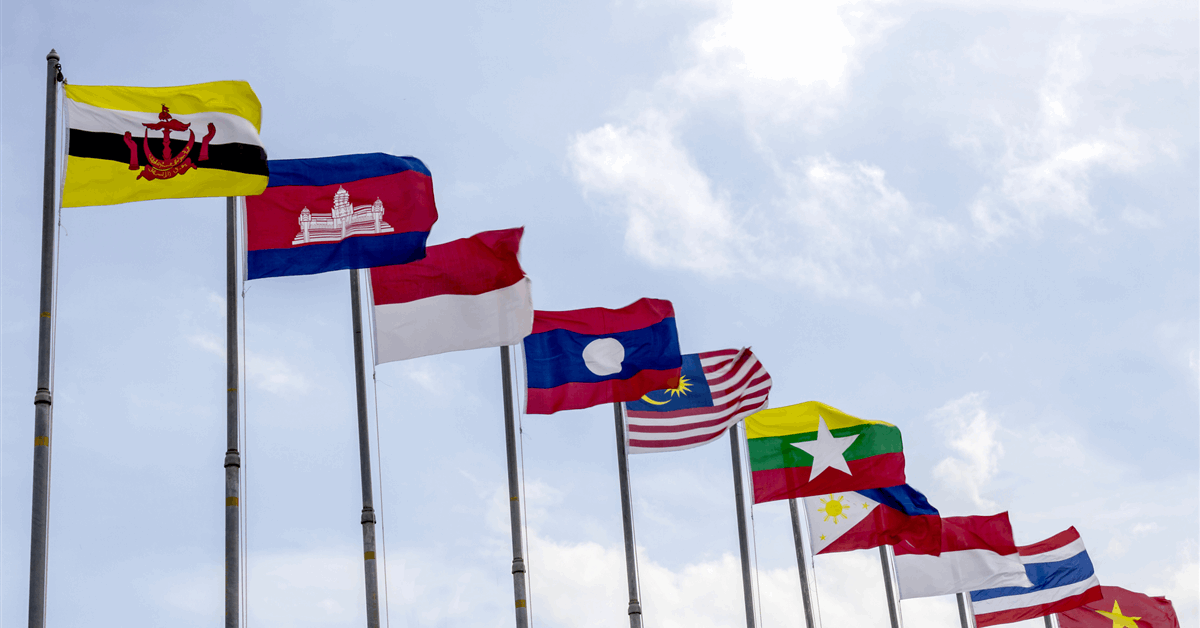
The signing of this agreement occurred on the periphery of the recent Association of Southeast Asian Nations (ASEAN) Summit in Kuala Lumpur, where the 11-member bloc significantly advanced discussions on the regional power grid. The summit saw ASEAN finance ministers and central bank governors convene to deliberate on a proposed financing framework for the APG. This high-level political endorsement provides a robust foundation for private sector engagement and investment.
Malaysian Prime Minister Anwar Ibrahim, in his Chairman’s Statement for the biennial gathering, explicitly called upon the private sector, financial institutions, philanthropic capital providers, and multilateral development banks to actively support the APG’s development. He emphasized the critical need for mobilizing green financing, expertise, technology, and resources to facilitate the region’s overall energy transition efforts. This direct appeal signals a clear invitation for global capital to participate in one of the world’s most dynamic growth regions.
Prime Minister Anwar underscored that the ASEAN Power Grid is central to achieving a more resilient and sustainable energy future for the bloc. He projected that the APG would not only unlock substantial investments but also stimulate job creation within the burgeoning renewable energy manufacturing sector across the region. Investors should note the upcoming milestones: the signing of an enhanced ASEAN Power Grid Memorandum of Understanding (MOU) and the endorsement of the Terms of Reference of a Subsea Power Cable Development Framework, both anticipated in 2025. These developments are expected to significantly strengthen the legal and institutional framework for multilateral power trade, paving the way for the APG vision to be fully realized by 2045 through multiple cross-border overland and subsea electricity interconnections.
Singapore’s Demand Fuels Cross-Border Growth
A key commercial driver for this ambitious project stems from Singapore’s aggressive clean energy targets. The city-state has set an ambitious goal to import approximately 6 gigawatts (GW) of low-carbon electricity by 2035, which is projected to constitute around one-third of the nation’s total energy demand at that time. This substantial demand creates a powerful economic incentive for regional renewable energy development and the establishment of robust cross-border transmission infrastructure.
For investors, Singapore’s energy import strategy represents a stable, high-value off-take market for renewable energy projects in neighboring countries. The ability to connect regional power grids will not only secure Singapore’s energy future but also catalyze the development of large-scale renewable energy projects across the ASEAN region, offering attractive returns for early movers and long-term investors.
Investment Horizon: A New Frontier for Energy Capital
This initiative opens a substantial new frontier for energy capital, extending beyond traditional oil and gas exploration and production. For Petronas, this collaboration represents a significant step in its diversification strategy, leveraging its deep experience in large-scale energy projects into the burgeoning renewables sector. Tenaga Nasional Bhd. gains an opportunity to expand its grid integration expertise and secure clean power sources for Malaysia, enhancing national energy security.
PetroVietnam Technical Services Corp. stands to benefit from developing Vietnam’s considerable offshore wind resources, positioning the country as a major clean energy exporter. Sembcorp Utilities Pte. Ltd., with its global footprint in sustainable solutions, reinforces its leadership in regional renewable energy development and cross-border power trading. Investors should analyze the long-term earnings potential and asset base expansion these companies can achieve through such transformative projects.
Beyond the direct participants, the project will spur significant investment in related infrastructure, including high-voltage direct current (HVDC) subsea cables, onshore grid upgrades, advanced energy storage systems, and specialized offshore wind farm development. Technology providers, engineering, procurement, and construction (EPC) firms, and financial institutions specializing in green bonds and project finance will find ample opportunities. This transition also enables oil and gas service companies to pivot their expertise in offshore construction and marine operations towards the burgeoning offshore wind sector, securing new revenue streams in a decarbonizing world.
Navigating the Transition: Risks and Rewards
While the opportunities are vast, investors must also consider the complexities inherent in large-scale cross-border energy projects. These include navigating diverse regulatory frameworks, securing substantial financing, addressing technical challenges associated with long-distance subsea transmission, and ensuring harmonious grid integration across multiple national systems. However, the strong political will demonstrated by ASEAN leaders, coupled with the proven capabilities of the consortium partners, mitigates many of these risks.
The rewards for successful execution are immense: access to a rapidly growing energy market, diversification of energy portfolios, enhanced energy security, and significant contributions to global decarbonization goals. This project is a testament to the fact that traditional oil and gas economies are actively transforming, embracing renewable energy as a key pillar for future growth and profitability.
The Path Ahead: Redefining Southeast Asian Energy
The collaborative endeavor to export Vietnamese clean power to Malaysia and Singapore via a new subsea cable is far more than an infrastructure project; it is a blueprint for regional energy cooperation and a crucial stride towards a decarbonized future for Southeast Asia. As the world pivots towards sustainable energy solutions, this initiative positions ASEAN as a frontrunner in developing integrated, resilient, and green power grids. For astute investors, the evolving energy landscape of Southeast Asia offers compelling prospects for capital deployment in a market ripe for transformative growth and sustainable returns.


