Climate Milestones Loom: Heightened Policy Risk for Oil & Gas Investors
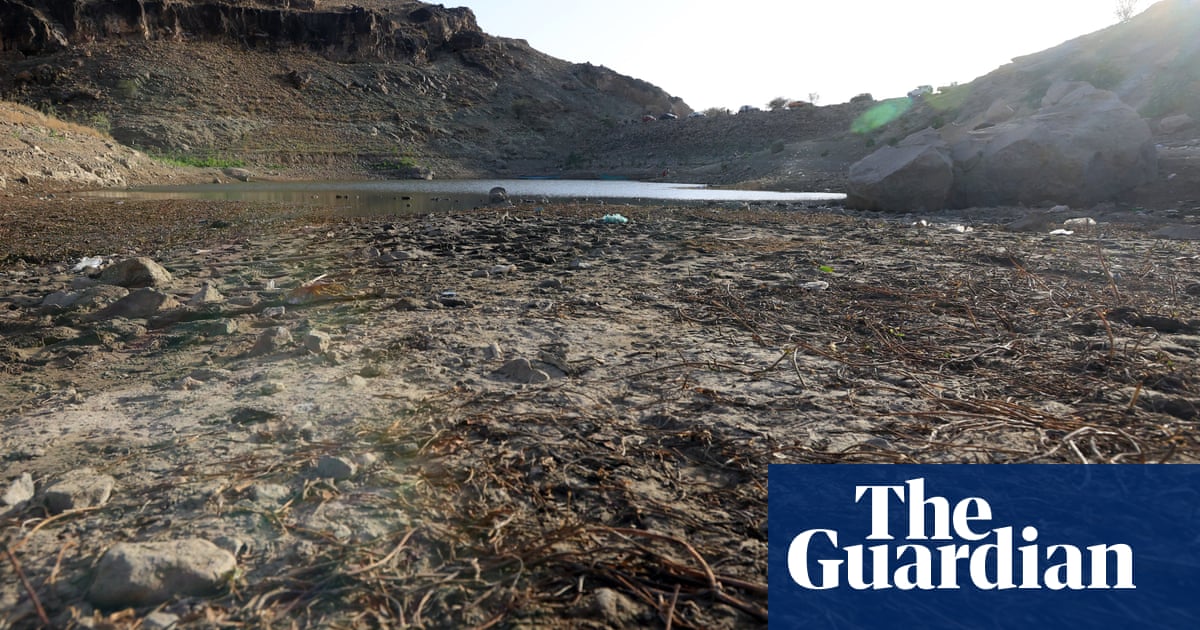
A recent comprehensive report by the World Meteorological Organization (WMO) delivers a stark warning to energy markets, projecting an 80% probability that global temperatures will surpass at least one annual heat record within the next five years. This alarming forecast carries significant implications for the oil and gas sector, signaling an escalating risk of extreme weather phenomena such as severe droughts, devastating floods, and widespread forest fires, which directly impact infrastructure, supply chains, and operational costs.
Crucially for hydrocarbon asset valuations, the WMO data introduces a novel and “shocking” statistical possibility: a 1% chance that the world could experience a year 2 degrees Celsius hotter than pre-industrial levels before 2030. This unprecedented projection, previously considered outside a five-year timeframe, underscores the rapid acceleration of climate change and the potential for a drastically altered regulatory and investment landscape for fossil fuels.
Accelerating Warming Trends and Policy Flashpoints
These updated climate projections follow a decade marked by the hottest temperatures ever recorded, intensifying the spotlight on the global energy transition. The WMO’s medium-term outlook, synthesizing short-term weather observations with long-term climate models from 15 leading institutes—including the UK’s Met Office, the Barcelona Supercomputing Centre, the Canadian Centre for Climate Modelling and Analysis, and Deutscher Wetterdienst—highlights the growing threat to human health, national economies, and natural ecosystems unless the world significantly curtails the burning of oil, gas, coal, and biomass.
Investors in the hydrocarbon space must note the 70% probability that the five-year average warming for 2025-2029 will exceed 1.5 degrees Celsius above pre-industrial benchmarks. While the ambitious 1.5C target of the Paris Agreement is based on a 20-year average, this near-term probability places the global community perilously close to breaching a critical climate threshold. Furthermore, the report indicates an 86% likelihood that the 1.5C mark will be crossed in at least one of the next five years, a substantial increase from just 40% in the the 2020 assessment.
The year 2024 already witnessed the annual 1.5C threshold breached for the first time – an outcome deemed implausible in any five-year forecast prior to 2014. This follows last year’s distinction as the hottest in the 175-year observational record, unequivocally demonstrating the speed at which global warming is progressing. The mere statistical possibility of a 2C increase before 2030, even if currently at a 1% likelihood and requiring specific climatic convergences like a strong El Niño and positive Arctic Oscillation, signifies a profound shift in climate modeling and future risk assessments for the fossil fuel industry. Adam Scaife of the Met Office, a key contributor to the data, remarked on this, stating, “It is shocking that 2C is plausible… the probability will increase as the climate warms.”
Investment Implications for the Oil & Gas Sector
The escalating climate risks outlined in the WMO report carry direct and indirect implications for oil and gas investment strategies. Heightened public concern and the increasing frequency of extreme weather events are likely to catalyze more stringent climate policies, carbon pricing mechanisms, and regulatory pressures across key markets. Governments may accelerate renewable energy mandates, tighten emissions standards, and potentially introduce moratoriums or restrictions on new hydrocarbon exploration and production projects. This evolving regulatory landscape presents both compliance challenges and significant capital expenditure risks for energy companies.
From a market perspective, these climate milestones could amplify investor scrutiny of Environmental, Social, and Governance (ESG) performance within the oil and gas sector. Companies with robust decarbonization strategies, diversified energy portfolios, and transparent climate risk disclosures may gain a competitive edge, while those perceived as lagging could face divestment campaigns and higher costs of capital. The growing scientific consensus on warming trends strengthens the arguments for an accelerated energy transition, prompting investors to re-evaluate long-term asset viability and stranded asset risks within their hydrocarbon holdings.
Regional Impacts and Operational Challenges
The WMO report also details disparate regional climate impacts, which will undoubtedly influence global energy markets and the operational footprint of oil and gas companies. Arctic winters, for instance, are predicted to warm 3.5 times faster than the global average, primarily due to melting sea ice reducing the reflective surface for solar heat. This has implications for Arctic drilling operations, shipping routes, and environmental preservation efforts, potentially increasing operational costs and regulatory hurdles.
Conversely, regions like the Amazon rainforest are projected to suffer increased droughts, impacting ecosystems and potentially affecting hydropower resources, which could, in turn, shift demand dynamics for fossil fuels locally and regionally. Meanwhile, South Asia, the Sahel, and Northern Europe, including the UK, are expected to experience more frequent and intense rainfall. Such changes can disrupt energy infrastructure, from pipelines and refineries to distribution networks, leading to operational downtime, increased maintenance costs, and supply chain vulnerabilities. For oil and gas investors, understanding these localized climate vulnerabilities is crucial for assessing regional market stability and the resilience of their portfolio assets.
Navigating Future Energy Markets: An Investor Imperative
The WMO’s latest climate update serves as a critical signal for all stakeholders in the oil and gas industry. The accelerating pace of global warming, evidenced by breached thresholds and unprecedented forecasts, demands proactive adaptation and strategic foresight from investors. Integrating these climate realities into financial models, risk assessments, and long-term investment strategies is no longer optional but imperative for preserving value and identifying opportunities in a rapidly transforming energy landscape.
As policy risks intensify and physical climate impacts become more pronounced, successful oil and gas investment will increasingly hinge on a company’s ability to innovate, decarbonize operations, and contribute to a more sustainable energy future. The hydrocarbon sector must demonstrate agility and a clear pathway towards lower-carbon solutions to maintain investor confidence and secure its role in the evolving global energy matrix.


