Best 2025 Cell Plans: O&G Productivity Edge?
In the dynamic and highly competitive oil and gas sector, operational efficiency and stringent cost management are paramount drivers of profitability. While discussions often center on drilling technology, reservoir management, or commodity price fluctuations, the underlying communication infrastructure supporting these operations frequently remains an undervalued strategic asset. Yet, effective and economical mobile connectivity is increasingly critical for real-time field data acquisition, remote asset monitoring, team coordination, and overall digital transformation initiatives across the energy value chain.
For forward-thinking oil and gas investors and operators, understanding the evolving landscape of cellular communication plans, particularly the rise of Mobile Virtual Network Operators (MVNOs), presents a tangible opportunity to optimize operational expenditure (OpEx) and enhance productivity. Major carriers such as Verizon, AT&T, and T-Mobile typically structure their offerings to favor multi-line enterprise accounts. However, for specialized single-line applications—ranging from dedicated sensor arrays and remote telemetry units to individual field supervisor devices or even small, agile project teams—MVNOs deliver a superior value proposition.
These virtual network operators leverage the infrastructure of the major carriers but offer significantly more cost-effective plans for single or low-volume connections. This distinction is vital for O&G firms seeking to deploy numerous connected devices or provide specialized communication tools without incurring the higher per-line costs associated with traditional carrier contracts. The data allowances, network speeds, and coverage provided by these MVNOs are often indistinguishable from their larger counterparts, making them a strategic choice for savvy energy companies.
Unlocking Operational Efficiencies with Strategic Mobile Connectivity
Our comprehensive analysis suggests that MVNOs provide the most compelling cellular plan options for targeted single-line applications within the oil and gas industry. This approach allows companies to mitigate unnecessary communication costs, directly impacting their bottom line. We have identified several standout plans that offer an optimal balance of value, performance, and flexibility, catering to diverse operational needs.
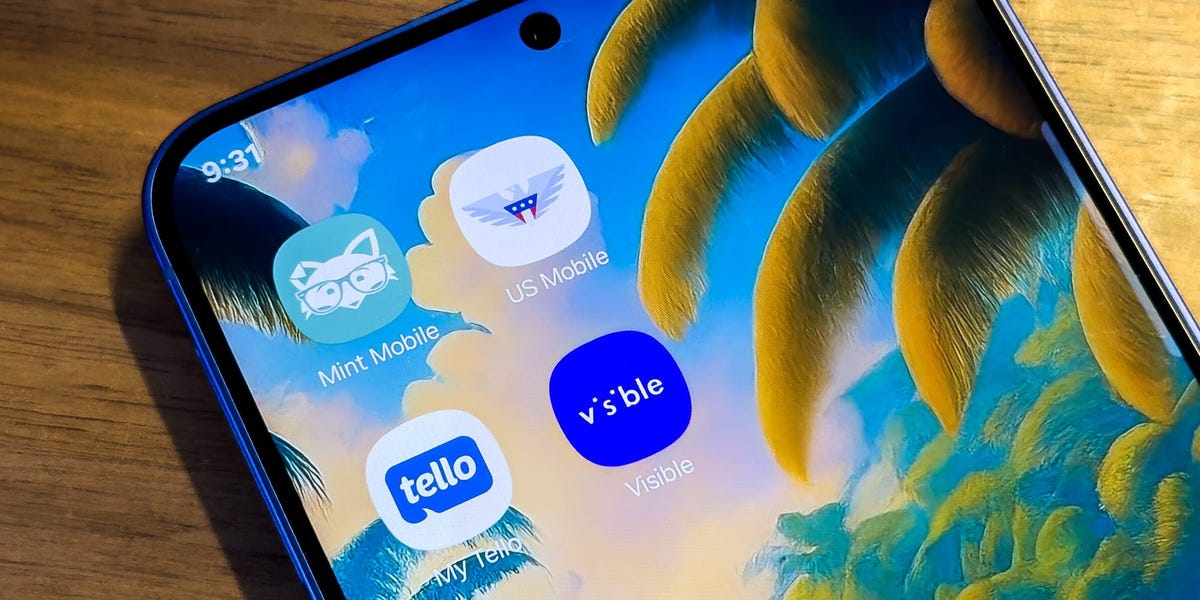
- Best Overall Value: Mint Mobile 12-Month Unlimited Plan
- Best for Premium, Unlimited Data: Visible Wireless Visible Plus Plan
- Flexible Unlimited Alternative: US Mobile Unlimited Starter Plan
- Most Budget-Friendly & Customizable: Tello Mobile Build Your Own Plan
Maximizing Value: The Mint Mobile Model for O&G OpEx Optimization
For oil and gas enterprises, particularly those managing agile field teams or deploying numerous IoT sensors with predictable, yet substantial, data requirements, Mint Mobile’s 12-month unlimited plan presents an unrivaled value proposition. At a promotional rate of $20 per month—translating to an annual outlay of $240, a substantial $120 reduction from its standard yearly cost of $360—this prepaid annual plan dramatically lowers the operational expenditure associated with individual device connectivity.
Operating on T-Mobile’s extensive network, Mint Mobile delivers impressive data speeds, typically ranging between 79 and 357 Mbps on its LTE and 5G infrastructure. This capability is more than sufficient to support a wide array of O&G applications, including real-time data transmission from remote monitoring equipment, high-definition video streaming for field inspections, or facilitating seamless communication among field personnel. While the plan is subject to deprioritization during periods of high network congestion, for many non-critical data streams or dedicated field devices, this offering provides an unparalleled balance of performance and cost efficiency, directly contributing to an operator’s optimized OpEx.
Premium Performance in the Field: Visible Wireless for Critical Data Flows
When uninterrupted, high-priority data access is non-negotiable for critical oil and gas operations, the Visible Wireless Visible Plus Plan emerges as a top-tier solution. This “unlimited premium” offering caters to scenarios where consistent network performance takes precedence, even over marginal cost savings. Imagine real-time transmission of sensitive wellhead data, live video feeds from drone inspections, or mission-critical communication for emergency response teams in remote locations. The Visible Plus plan, by providing premium network access, ensures that vital information flows seamlessly and reliably, minimizing downtime and potential operational risks.
Flexible Alternatives for Diverse O&G Needs: US Mobile’s Adaptable Solutions
The US Mobile Unlimited Starter Plan provides a robust “unlimited alternative” for oil and gas companies seeking a balance between comprehensive data access and cost-effectiveness for a variety of field applications. This plan offers considerable flexibility, making it suitable for field technicians requiring reliable data for digital forms, mapping applications, or secure access to enterprise resource planning (ERP) systems from remote sites. It represents a strong choice for organizations looking to equip a broader segment of their workforce with dependable, high-capacity mobile connectivity without committing to the highest-tier premium plans, thereby optimizing communication spend across diverse operational units.
Tailored Cost Control: Tello Mobile for IoT and Specialized Devices
For oil and gas firms focused on highly specialized, low-data consumption applications or deploying numerous Internet of Things (IoT) devices across vast operational footprints, Tello Mobile’s Build Your Own Plan stands out as the ultimate budget recommendation. With plans starting as low as $5 per month, Tello offers unparalleled customization, allowing companies to tailor minutes and data allotments precisely to the needs of each connected device. This granular control is invaluable for managing costs associated with, for example, pressure sensors, flow meters, cathodic protection monitors, or environmental sensors that transmit small packets of data at regular intervals.
The ability to select only the necessary resources ensures that OpEx is kept to an absolute minimum, eliminating waste from unused data or talk time. For companies with hundreds or thousands of such devices, this level of cost optimization can result in substantial annual savings, directly enhancing the return on investment (ROI) for their digital asset monitoring and automation initiatives.
Network Coverage and Reliability: A Critical O&G Investment Factor
A crucial consideration for any oil and gas operator evaluating cellular plans is network coverage and reliability, particularly in often remote and challenging operational environments. Many of the highlighted MVNOs, including Mint Mobile, operate on T-Mobile’s network. While T-Mobile boasts excellent coverage in urban, suburban, and rapidly expanding rural areas, operators must conduct due diligence regarding specific field locations. For deep-field upstream operations, satellite communication or specialized private networks may still be necessary to complement cellular coverage. However, for midstream logistics, downstream processing facilities, and a growing number of upstream sites closer to infrastructure, T-Mobile’s network, with its advertised speeds between 79 and 357 Mbps, is increasingly capable of supporting seamless streaming, data uploads, and application usage, as validated by extensive testing.
The Investment Perspective: OpEx, ROI, and Competitive Advantage
In conclusion, the strategic selection of cellular communication plans is more than just a procurement decision for oil and gas companies; it is an investment in operational efficiency and a direct lever for OpEx reduction. By embracing the value and flexibility offered by MVNOs, O&G firms can significantly lower their communication expenditures for single-line devices and specialized applications. This cost saving translates directly into improved profitability and a stronger financial position, making these plans attractive from an investor’s perspective.
Furthermore, optimizing connectivity enables faster data collection, more agile decision-making, and enhanced safety protocols, all contributing to a tangible competitive advantage in a demanding market. As the industry continues its digital transformation journey, leveraging these “best 2025 cell plans” is not merely about staying connected; it’s about building a more productive, cost-efficient, and technologically advanced oil and gas enterprise for the future.


