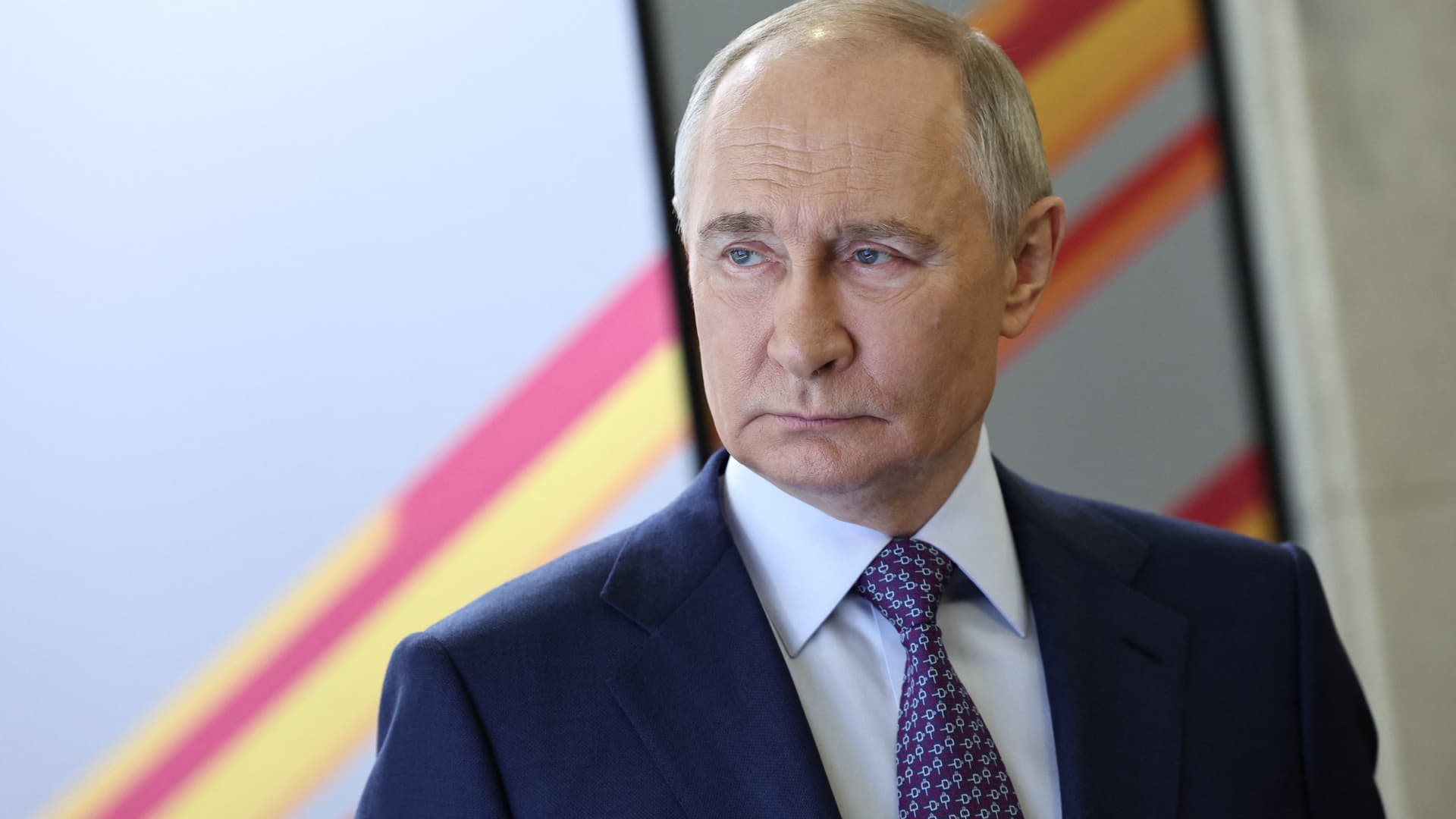
The geopolitical landscape continues to exert a profound influence on global energy markets, with Russia’s ongoing military engagement and its domestic economic strains emerging as increasingly critical factors. While Moscow has largely maintained a posture of reluctance towards substantive peace negotiations, a closer look at internal pressures suggests a potential pivot point. From depleting military inventories and recruitment challenges to a decelerating economy grappling with persistent inflation, the confluence of these forces could ultimately compel Russia to engage more seriously in diplomacy. For energy investors, understanding these dynamics is paramount, as any shift in Russia’s strategic calculus has direct implications for global crude supply, price stability, and investment opportunities.
Mounting Military and Economic Pressures on Russia
Russia’s ability to sustain its current military strategy is facing growing headwinds, a situation that cannot be indefinitely maintained. Expert analysis indicates that the nation’s reliance on Soviet-era military equipment, including tanks, artillery, and infantry fighting vehicles, is reaching a critical threshold. Projections suggest these stockpiles could be largely exhausted between now and mid-fall, forcing Russia to depend entirely on new production to replace losses. This shift dramatically alters the logistical and industrial demands on the Russian economy. Furthermore, the human cost of the conflict continues to weigh heavily. While current recruitment approaches might sustain operations for another two campaign seasons, any further significant offensive operations extending into 2026 would likely necessitate additional forced mobilization. Such a move carries substantial political and economic risks, potentially fueling social unrest and further straining an already war-focused economy.
In parallel, dark clouds are gathering over Russia’s economic horizon. The country’s central bank (CBR) has maintained a high interest rate of 21% in a bid to rein in inflation, which stood at 10.2% in a recent April. While the CBR noted a disinflationary process underway in May, it stressed that a “prolonged period of tight monetary policy” remains necessary to hit its 4% target in 2026. This aggressive monetary stance is having a tangible impact, with a marked slowdown in economic activity surprising many analysts. Gross Domestic Product growth decelerated sharply from 4.5% year-on-year in the fourth quarter of last year to a mere 1.4% in the first quarter of this year, signaling a significant fall in output. This contraction, coupled with high food and production costs, poses a formidable challenge to Moscow’s ability to finance its military ambitions without further economic deterioration.
Crude Prices React to Geopolitical Undercurrents and Investor Questions
The intricate dance between geopolitical tensions and economic realities is clearly reflected in current crude market movements. As of today, April 15, 2026, Brent crude trades at $96.06 per barrel, showing a 1.34% increase on the day, with a trading range between $91 and $96.26. West Texas Intermediate (WTI) crude has similarly climbed, reaching $92.46, up 1.29%. This recent uptick follows a period of significant volatility, as Brent experienced a notable decline of 8.8% over the past two weeks, falling from $102.22 on March 25 to $93.22 on April 14. This volatility underscores the market’s sensitivity to supply-side risks and macro indicators.
Many of our readers are keenly focused on these dynamics, frequently asking for a base-case Brent price forecast for the next quarter and the consensus 2026 Brent forecast. The potential for Russia’s economic pressures to influence its oil and gas export strategy is a central component of these projections. While sanctions already limit revenue-generating exports like oil, any future escalation or de-escalation of conflict driven by internal economic strain could introduce new variables to global supply. For instance, increased economic desperation could lead to a push for higher export volumes at discounted prices, or conversely, political instability could disrupt supply. Gasoline prices, currently at $2.98, up 0.34%, also reflect a cautious optimism tempered by underlying supply concerns and seasonal demand shifts.
Navigating Upcoming Catalysts and Forward-Looking Analysis
The coming weeks are packed with critical events that will further shape the trajectory of oil markets, particularly against the backdrop of Russia’s evolving situation. Investors should mark their calendars for the OPEC+ Joint Ministerial Monitoring Committee (JMMC) meeting on April 18th, followed swiftly by the full OPEC+ Ministerial Meeting on April 20th. These gatherings are always pivotal, as the collective decisions of the world’s leading oil producers directly impact global supply and pricing. Any signals regarding production quotas or market stabilization strategies will be analyzed through the lens of ongoing geopolitical risks, including the potential for Russia to seek greater market share or face further constraints.
Beyond OPEC+, weekly data releases from the American Petroleum Institute (API) and the U.S. Energy Information Administration (EIA) will offer crucial insights into demand and inventory levels. The API Weekly Crude Inventory report on April 21st and April 28th, alongside the EIA Weekly Petroleum Status Report on April 22nd and April 29th, will provide real-time snapshots of the critical U.S. market. These reports, combined with the Baker Hughes Rig Count on April 17th and April 24th, will help investors gauge North American production trends. The interplay of these supply and demand indicators with the broader geopolitical narrative — particularly the intensifying economic and military pressures on Russia — will dictate crude price movements and investor sentiment throughout the second quarter of 2026. A clear understanding of these intertwined factors is essential for making informed investment decisions in today’s complex energy landscape.