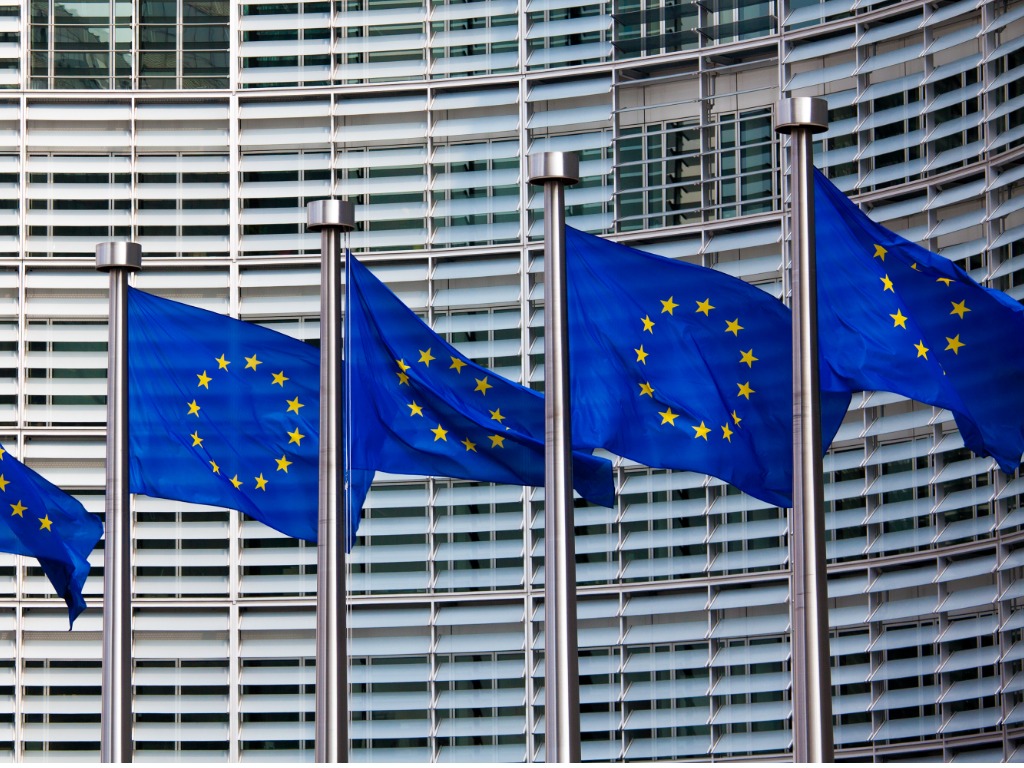
The European Union has signaled a significant acceleration in its energy transition strategy, committing nearly €1 billion to advance green hydrogen production. This substantial funding, totaling €992 million for 15 projects across the European Economic Area, underscores a strategic pivot towards decarbonizing some of the most challenging sectors of the economy. From Germany to Finland, Norway, Spain, and the Netherlands, these initiatives are poised to generate close to 2.2 million tonnes of renewable hydrogen over the next decade, a move projected to avert more than 15 million tonnes of CO2 emissions. For investors keenly watching the evolving energy landscape, this development highlights a clear and robust commitment from a major global economic bloc, presenting tangible opportunities in a sector vital for achieving long-term climate neutrality and bolstering energy independence.
Green Hydrogen: The Cornerstone of Industrial Decarbonization
The strategic importance of green hydrogen in the broader energy transition cannot be overstated. While conventional renewable energy sources like wind and solar are transforming power generation, they often fall short in sectors with inherently difficult-to-abate emissions, such as heavy industry and long-haul transport. This is where green hydrogen emerges as a critical building block, offering a viable pathway to decarbonization. Currently, global hydrogen production stands at approximately 90 million metric tons annually, yet the overwhelming majority is derived from fossil fuels, contributing significantly to greenhouse gas emissions. The EU’s latest funding initiative directly addresses this challenge by supporting projects that leverage renewable energy to produce hydrogen, thereby eliminating the associated pollutants. This shift necessitates colossal investments across the value chain, from advanced electrolysis technologies to new infrastructure for production, storage, and transport. The European Hydrogen Bank, through auctions like the recently concluded second round, plays a pivotal role in de-risking these investments by bridging the economic gap between the higher cost of renewable hydrogen production and the prevailing market price of conventionally produced hydrogen, making green alternatives more competitive and scalable.
Navigating Volatile Markets: The Dual Energy Play
The current macro environment presents a fascinating dichotomy for energy investors. As of today, Brent crude trades at $90.38 per barrel, reflecting a significant daily decline of 9.07%, with WTI crude similarly down 9.41% to $82.59. This recent volatility is underscored by a notable 14-day trend, where Brent has dropped from $112.78 on March 30th to $91.87 just yesterday, representing an 18.5% decrease. Gasoline prices have also followed suit, currently at $2.93, down 5.18%. This dynamic backdrop for traditional oil and gas markets provides a unique lens through which to view the EU’s aggressive push into green hydrogen. While lower crude prices might temporarily ease pressure on fossil fuel consumption, the long-term strategic imperative for energy independence and decarbonization, particularly in Europe, remains undiminished. Investors are actively questioning the future trajectory of oil prices, with many asking “what do you predict the price of oil per barrel will be by end of 2026?” This ongoing uncertainty in conventional energy markets further solidifies the investment case for alternative fuels like green hydrogen, which offer a hedge against geopolitical risks and volatile commodity cycles, providing a more stable, long-term growth vector aligned with global environmental mandates.
Upcoming Catalysts and Market Evolution
The EU’s green hydrogen strategy extends beyond the immediate funding awards, outlining clear future catalysts for market development. Forward-looking investors should note the planned third European Hydrogen Bank auction slated for the end of 2025, which anticipates an additional budget of up to €1 billion. This recurring commitment signifies a sustained, multi-year investment pipeline, offering continuous opportunities for companies involved in hydrogen production, electrolysis, and related infrastructure. Furthermore, the imminent launch of a “Hydrogen Mechanism” under the European Hydrogen Bank is a crucial development. This online platform is designed to connect buyers and sellers, fostering transparency, facilitating partnerships, and accelerating the commercialization of green hydrogen projects across the continent. These structured initiatives provide a clear roadmap for market participants, contrasting with the immediate, event-driven dynamics of the traditional oil sector, where upcoming events like the OPEC+ JMMC and Full Ministerial meetings this weekend, followed by API and EIA inventory reports next week, can trigger rapid price movements. The EU’s methodical approach to building a robust hydrogen economy offers a more predictable, policy-backed growth trajectory, signaling long-term stability for strategic investments.
Investor Signals and Strategic Positioning in the New Energy Frontier
Our proprietary reader intent data reveals a keen investor interest not only in macro oil price predictions but also in the strategic positioning of individual companies, with queries like “How well do you think Repsol will end in April 2026?” highlighting the focus on diversified energy players. This illustrates a broader understanding that the energy transition is not just about new technologies, but also about how established players adapt and innovate. The EU’s substantial commitment to green hydrogen projects provides a strong signal for capital allocation, encouraging oil and gas majors to further diversify their portfolios into new energy ventures. Companies actively investing in hydrogen production, infrastructure, and technology will be strategically well-positioned to capitalize on this growing market, aligning with Europe’s ambitious goal of scaling renewable hydrogen domestic production to 10 million tons. For investors, integrating green hydrogen into a diversified portfolio offers exposure to a high-growth sector underpinned by significant public funding and a clear policy mandate, providing resilience against potential long-term shifts away from fossil fuels and satisfying the growing demand for sustainable investment opportunities.


