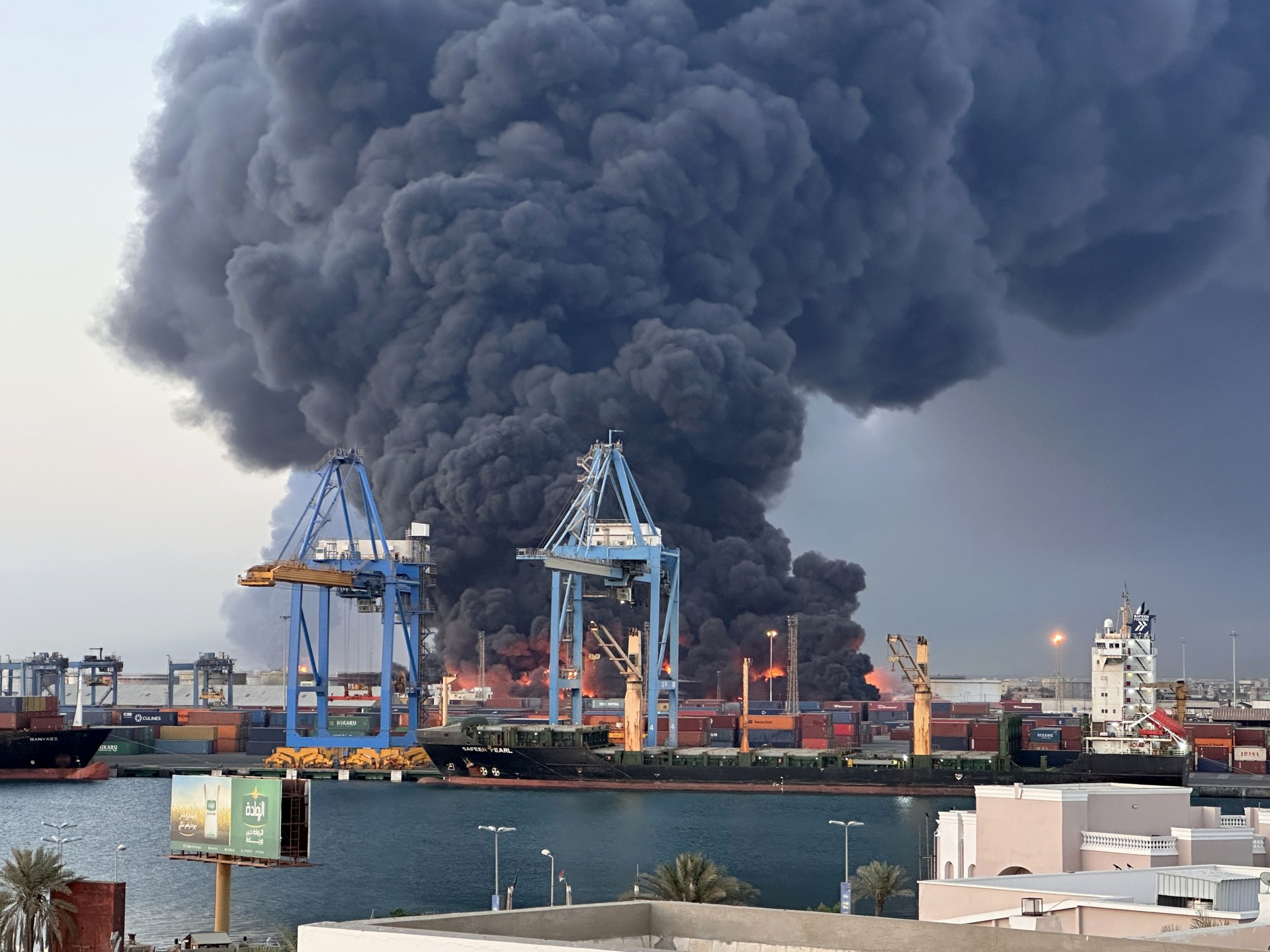
The intricate geopolitics of the Horn of Africa are once again threatening global oil supply dynamics, with South Sudan’s critical crude exports hanging in the balance. As of May 9, Sudan’s army-backed government announced its intention to shut down the essential infrastructure that allows its southern neighbor to export oil, a move that could devastate South Sudan’s economy and inject fresh volatility into an already sensitive global market. For investors tracking African energy plays and broader crude prices, understanding this rapidly evolving situation is paramount. South Sudan is profoundly reliant on oil, with over 90% of its government revenues derived from the resource, which it ships entirely through Sudan to Port Sudan on the Red Sea coast. This analysis delves into the underlying tensions, the immediate market implications, and the upcoming catalysts that could dictate the future of this vital crude flow.
The Geopolitical Chokehold on South Sudan’s Oil Lifeline
South Sudan’s economic fate has been inextricably linked to Sudan’s infrastructure since its independence in 2011. The 2005 peace agreement, which ended a decades-long civil war and led to secession, established a framework where Juba pays transit fees to Khartoum for the use of its pipelines and port facilities. This arrangement, often described as financially tying the two nations “at the hip,” has continued even amidst Sudan’s own devastating civil war, which erupted in 2023 between the army and the paramilitary Rapid Support Forces (RSF).
The recent threat of a shutdown stems directly from the escalating conflict. Following six consecutive days of drone strikes by the RSF on Port Sudan, the army’s wartime capital, on May 9, significant damage was reported to a fuel depot and electricity grids. Sudan’s army claims this damage now impedes its ability to facilitate South Sudan’s oil exports. This announcement, however, is viewed by some experts as a desperate plea from Khartoum, aimed at pressuring Juba to intervene or exert influence over the RSF. The intricate web of alliances and payments further complicates the picture; reports indicate that South Sudan has also made payments to the RSF to safeguard pipelines traversing RSF-controlled territory and has permitted RSF operations along the porous Sudan-South Sudan border. This precarious balancing act underscores the extreme vulnerability of South Sudan’s oil output to the shifting sands of Sudanese internal conflict.
Immediate Market Reaction and Investor Sentiment
The threat of disruption in South Sudan, while not representing a massive volume in global terms, adds a significant geopolitical risk premium to the crude market. As of today, Brent crude trades at $96.04, marking a 1.32% gain for the day, having moved within a range of $91 to $96.26. Similarly, WTI crude stands at $92.40, up 1.23%, with its daily range between $86.96 and $92.50. This recent upward momentum follows a period of notable weakness; Brent, for instance, has shed nearly 8.8% over the past fortnight, dropping from $102.22 on March 25 to $93.22 on April 14. Geopolitical flashpoints like the situation in Sudan can quickly reverse such trends, introducing uncertainty that drives short-term price volatility.
Investors are keenly observing how such events might impact their base-case Brent price forecasts for the next quarter. While South Sudan’s output, typically around 150,000 barrels per day, is not individually market-moving on the scale of a major OPEC producer, any loss of supply in a tight market can have an outsized psychological impact. Our proprietary reader intent data indicates a strong focus on both near-term and consensus 2026 Brent forecasts. The consensus view for 2026 generally anticipates a more balanced market, but ongoing geopolitical risks, from the Middle East to Africa, consistently inject a risk premium that can push short-term forecasts higher, even if long-term expectations remain more tempered. The current situation serves as a stark reminder that supply stability remains fragile, and even smaller disruptions can reverberate through global energy prices, demanding constant vigilance from market participants.
Forward-Looking Catalysts and Supply Outlook
The coming weeks are critical for resolving the South Sudan oil export crisis, with several key events on the horizon that could influence the outcome and broader market sentiment. High-level discussions between officials from South Sudan and Sudan are reportedly underway, representing the most immediate and impactful catalyst. A swift, negotiated settlement, potentially involving revised transit fees or security guarantees, could avert a shutdown entirely. However, the army’s perceived lack of leverage over the RSF suggests these negotiations will be complex.
Beyond the immediate diplomatic efforts, the broader crude market will be closely watching upcoming industry events. The OPEC+ Joint Ministerial Monitoring Committee (JMMC) meeting on April 18, followed by the Full Ministerial OPEC+ Meeting on April 20, will provide crucial insights into global supply management. The potential for a South Sudanese disruption adds another layer of complexity to OPEC+’s deliberations, potentially influencing their decisions on current production cuts or future output strategies. Furthermore, the weekly API Crude Inventory report on April 21 and the EIA Weekly Petroleum Status Report on April 22 (and again on April 28 and April 29, respectively) will offer vital snapshots of U.S. and, by extension, global supply-demand balances. These reports will help gauge how sensitive the market might be to any actual or threatened supply losses from the African continent, shaping investor expectations for the remainder of the quarter.
Investment Implications and Risk Mitigation
For investors with exposure to the broader energy sector, the South Sudan situation highlights the persistent geopolitical risks inherent in oil and gas markets. While direct investment in South Sudanese upstream assets might be limited for most public market participants, the indirect impact on global crude prices and the stability of African energy investments is undeniable. A full shutdown of South Sudan’s oil exports would not only trigger an economic collapse in Juba but could also exacerbate the humanitarian crisis and instability across the broader Horn of Africa region, potentially affecting other resource-rich nations.
The “predatory economics” at play, where Sudan seeks to extract maximum value from its neighbor’s lifeline, underscores the fragile operating environment. Investors should consider the potential for increased volatility in crude prices, particularly if the negotiations falter and a shutdown materializes. While the market impact of 150,000 bpd might seem manageable in isolation, it’s the cumulative effect of such disruptions, coupled with other global supply uncertainties, that can significantly influence price trajectories. Diversification and a keen eye on geopolitical developments remain essential strategies for mitigating risks in a global energy landscape continually shaped by regional conflicts and complex interdependencies.