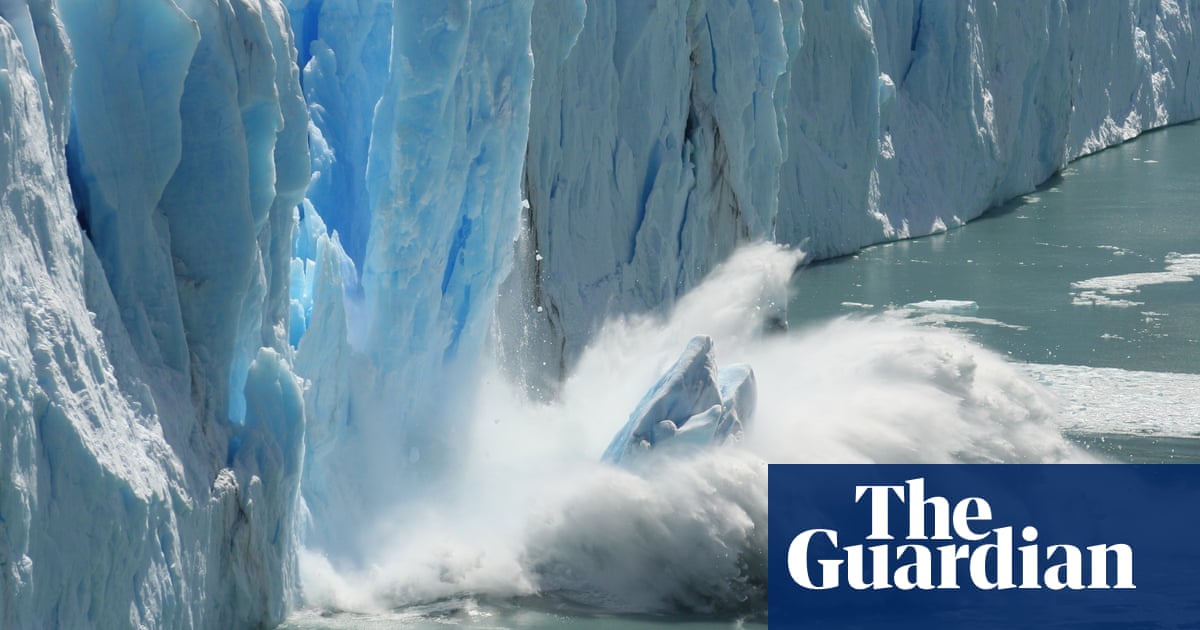
A new scientific consensus casts a stark shadow over the long-term viability of coastal energy infrastructure, projecting an acceleration in sea level rise that threatens to fundamentally reshape global economic geography. For the oil and gas sector, heavily reliant on vast coastal assets—from refineries and LNG terminals to storage facilities and port operations—these projections translate into tangible, escalating financial risks that demand immediate attention from investors and strategic planners.
Recent research indicates that even a global temperature increase of just 1.5 degrees Celsius above pre-industrial levels will trigger an unmanageable surge in ocean levels, inevitably leading to widespread, forced population movements away from shorelines. This dire scenario looms large, particularly given that the planet has already experienced an average heating of 1.2 degrees Celsius over the past decade. The primary culprit behind this escalating crisis is the unprecedented melting of the colossal Greenland and Antarctic ice sheets, with ice loss quadrupling since the 1990s. This rapid depletion now stands as the dominant driver of global sea level ascent.
The Illusion of the 1.5°C Target and Inevitable Rise
The international community’s ambitious goal of capping global temperature rise below 1.5 degrees Celsius already appears increasingly out of reach. Yet, even if humanity were to achieve a rapid, drastic reduction in fossil fuel emissions to meet this target, the consequences for sea levels would still be profound. The analysis reveals that by the close of this century, ocean levels would still climb at a rate of 1 centimeter per year—a pace exceeding the capacity of nations to construct adequate coastal defenses. This highlights a critical disconnect: the 1.5-degree limit, once perceived as a safeguard against the worst climate impacts, offers no such protection against the relentless march of rising seas.
Experts now suggest that a truly ‘safe limit’ temperature for the planet’s ice sheets, one that allows for some level of adaptation rather than catastrophic forced migration, is likely 1 degree Celsius or even lower. With current trajectories pointing towards a global heating of between 2.5 and 2.9 degrees Celsius, the world is on a collision course with critical tipping points for the irreversible collapse of the Greenland and West Antarctic ice sheets. Such an event would unleash a truly devastating 12 meters of sea level rise, fundamentally altering coastlines worldwide and rendering vast areas uninhabitable.
Massive Economic Disruption and Asset Vulnerability
The financial implications of these forecasts are staggering. Today, approximately 230 million people reside within one meter of current sea levels, while a staggering one billion live within 10 meters. Even a comparatively modest 20-centimeter rise in sea levels by 2050 could trigger annual global flood damages of at least $1 trillion for the world’s 136 largest coastal cities. This economic devastation would inflict immense hardship on populations and livelihoods, creating unprecedented challenges for governments and businesses alike.
For the oil and gas sector, this translates into direct threats to long-term asset valuations and operational stability. Coastal refineries, critical LNG export and import terminals, vast storage facilities, and essential port infrastructure are all inherently vulnerable. A 1-meter sea level rise, for instance, would submerge significant agricultural and industrial areas in the UK, such as large parts of the Fens and Humberside. Similar impacts would cascade across major energy hubs globally, forcing costly relocations, extensive protective measures, or even the stranding of multi-billion-dollar assets.
Investment Risks and Strategic Imperatives
The accelerating pace of sea level rise demands a fundamental re-evaluation of long-term capital expenditure and risk management strategies within the oil and gas industry. Investors must scrutinize portfolios for exposure to vulnerable coastal assets, considering not just the direct physical risks of inundation but also the broader economic and societal disruptions. Mass population displacement, for example, will reshape energy demand patterns, strain supply chains, and potentially destabilize regions crucial for energy production and transit.
While the scientists stress that every fraction of a degree of avoided heating provides valuable time for preparation and mitigation, the reality is that a significant degree of sea level rise is now inevitable—estimated at a minimum of 1 to 2 meters. This means adaptation strategies are not a choice but a necessity. Developed nations with extensive experience in coastal defense, like the Netherlands, may possess greater resilience, but developing countries, such as Bangladesh, face disproportionately severe consequences. This disparity will exacerbate geopolitical tensions and create complex challenges for global energy markets and infrastructure investment.
Preparing for a Transformed Future
The threshold for manageable adaptation, according to experts, hovers around a 1-centimeter-per-year rate of sea level rise. Exceeding this benchmark makes any form of large-scale adaptation extraordinarily difficult, leading to unprecedented levels of internal migration. Oil and gas companies, along with their investors, must incorporate these long-term physical climate risks into their financial modeling and strategic planning with greater urgency. This involves not only assessing the direct exposure of existing assets but also factoring in the ripple effects on labor availability, logistics, insurance costs, regulatory environments, and the overall stability of operating regions.
The message is clear: the energy industry operates on a planet undergoing profound physical transformation. The “worst-case scenarios” are not distant possibilities but are increasingly playing out in real-time. Prudent capital allocation in the coming decades will hinge on a sophisticated understanding of these escalating environmental risks and the development of robust, resilient strategies to navigate an increasingly watery future.


