Maxus Accelerates Bidirectional Charging for European Market
The global energy landscape is undergoing a profound transformation, with electric vehicles (EVs) emerging as a pivotal force in this shift. As investors increasingly scrutinize opportunities beyond traditional fossil fuels, the burgeoning potential of smart energy solutions within the EV ecosystem presents compelling prospects. A significant development on this front comes from SAIC’s Maxus brand, which is making strategic inroads into the bidirectional DC charging market. This move signals a deeper integration of electric vehicles into the energy grid, offering a glimpse into future revenue streams and operational efficiencies for both vehicle owners and energy providers. Maxus’s successful trials of vehicle-to-grid (V2G) and vehicle-to-home (V2H) capabilities position the company as a key player in this evolving sector, warranting close attention from those tracking the energy transition and seeking diversified investment opportunities in the new energy economy.
Technical Foundations: V2G and V2H Capabilities Unlocked
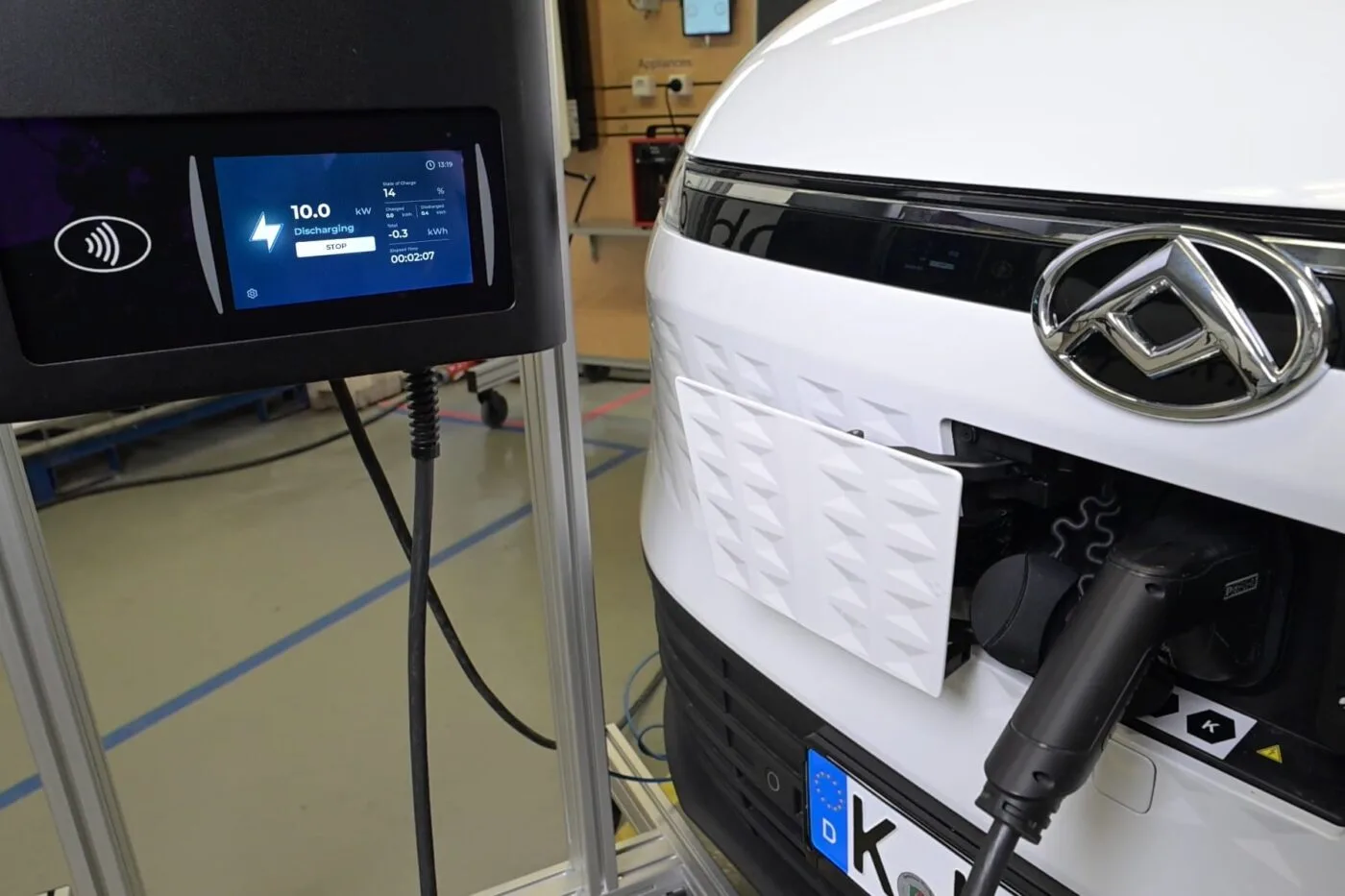
At the heart of this innovation lies the concept of bidirectional charging, enabling electric vehicles not only to draw power from the grid but also to supply it back, either to a building (V2H) or directly to the public electricity network (V2G). Such functionality is pivotal for enhancing grid stability, facilitating renewable energy integration, and potentially creating entirely new economic models for EV ownership and fleet management. Maxus, in collaboration with power electronics specialist Ambibox, has validated this technology with its eDeliver 5 and eDeliver 7 AWD vans, alongside the robust eTerron 9 electric pickup. These successful tests confirm the technical viability of integrating these commercial and utility vehicles into a dynamic energy exchange system, setting the stage for their commercial deployment across Europe.
Crucially, the practical implementation of bidirectional charging requires more than just vehicle compatibility; it necessitates specialized charging infrastructure. Ambibox is already providing a certified DC standard charger, featuring a robust 22 kW charging capacity. This wallbox is engineered to handle voltages up to 800 volts and deliver a maximum DC output current of 70 amps, underscoring the high-power capabilities required for efficient energy transfer in both directions. While these trials mark a significant leap for the eDeliver 5, eDeliver 7 AWD, and eTerron 9, it is important for investors to note that other popular Maxus models, including the Euniq 6, Mifa 9, electric pickup T90 EV, eDeliver 3, eDeliver 9, and the front-wheel drive variants of the eDeliver 7, are not currently configured to support this advanced functionality. This distinction highlights the targeted nature of Maxus’s initial market entry strategy, focusing on specific models for their early bidirectional charging offerings.
Strategic Rollout and Infrastructure Requirements
Maxus is actively preparing for a customer release of its bidirectional charging solutions, contingent on the availability of a ‘certified charger’. The SAIC brand has explicitly stated its commitment to rapidly introducing this technology across Europe, aiming to provide substantial added value through intelligent, bidirectional charging solutions. This strategic focus on the European market reflects the region’s progressive stance on renewable energy and smart grid development, offering a fertile ground for such innovations. However, specifics regarding pricing strategies for these advanced solutions and the exact timeline for their market availability remain undisclosed. This current lack of detailed forward guidance introduces an element of uncertainty for investors, who will be closely watching for further announcements to gauge the immediate commercial impact and revenue potential of this strategic pivot.
Navigating Europe’s Varied Regulatory Terrain
The path to widespread bidirectional charging adoption is not without its complexities, particularly concerning the fragmented regulatory environment across Europe. Each EU member state, and indeed the broader European continent, presents a unique set of legislative and infrastructural challenges that influence market readiness and investment viability. For example, France has demonstrated a proactive approach, with Renault’s subsidiary Mobilize, in partnership with The Mobility House, launching market-ready V2G offerings since late last year. The United Kingdom is also progressing, with V2G functionality slated for introduction in 2025. In stark contrast, Germany faces considerable hurdles, primarily due to insufficient supportive regulation, the sluggish rollout of smart meters, and broader digitalization challenges, as highlighted by industry players like The Mobility House. This regulatory patchwork underscores the uneven market readiness across key European economies and poses variable investment risks and opportunities for companies like Maxus.
The strategic importance of bidirectional charging was a central theme at the recent Power2Drive trade fair in Munich, a leading event for charging infrastructure. The exhibition served as a critical platform for demonstrating the latest technical advancements and discussing their market implications. Industry leaders, such as Michael Rahi, Senior Innovation Manager at E.ON Group Innovation, have engaged in public discourse regarding the current state and future prospects of this technology, particularly within Germany and beyond its borders. These discussions reinforce the industry-wide consensus on the transformative potential of V2G and V2H, positioning Maxus’s efforts within a broader, rapidly accelerating energy innovation trend that demands careful observation from market participants.
Investment Outlook: Grid Integration and Future Revenue Streams
For investors tracking the evolving energy sector, Maxus’s venture into bidirectional charging represents a tangible step towards a more integrated and flexible energy future. The successful technical validation of V2G/V2H capabilities in its commercial vehicle fleet signals robust potential for enhanced asset utilization and new revenue models in the electric vehicle segment. This capability allows vehicles to function as mobile energy storage units, optimizing energy consumption and potentially offsetting charging costs through grid services. While regulatory inconsistencies across Europe present a nuanced market entry, the long-term trajectory points towards increasing demand for smart grid solutions and distributed energy resources. The ability of EVs to serve as mobile energy storage units not only addresses grid stability concerns but also enhances the economic value proposition of electric fleets, offering potential for demand response participation and peak shaving.
Investors should closely monitor Maxus’s subsequent announcements regarding commercial rollout, pricing, and specific market targets to fully assess the financial implications of this strategic pivot in the dynamic global energy market. This initiative by SAIC’s Maxus is a clear indicator of the deepening convergence between the automotive and energy sectors, creating new avenues for growth and innovation that warrant careful consideration in any diversified energy portfolio. The competitive landscape for bidirectional charging is intensifying, and Maxus’s early technical successes position it favorably to capture market share in a segment poised for significant expansion, offering a compelling narrative for long-term growth in the energy transition.