Yutong EV Upgrade: Oil Demand Impact Looms
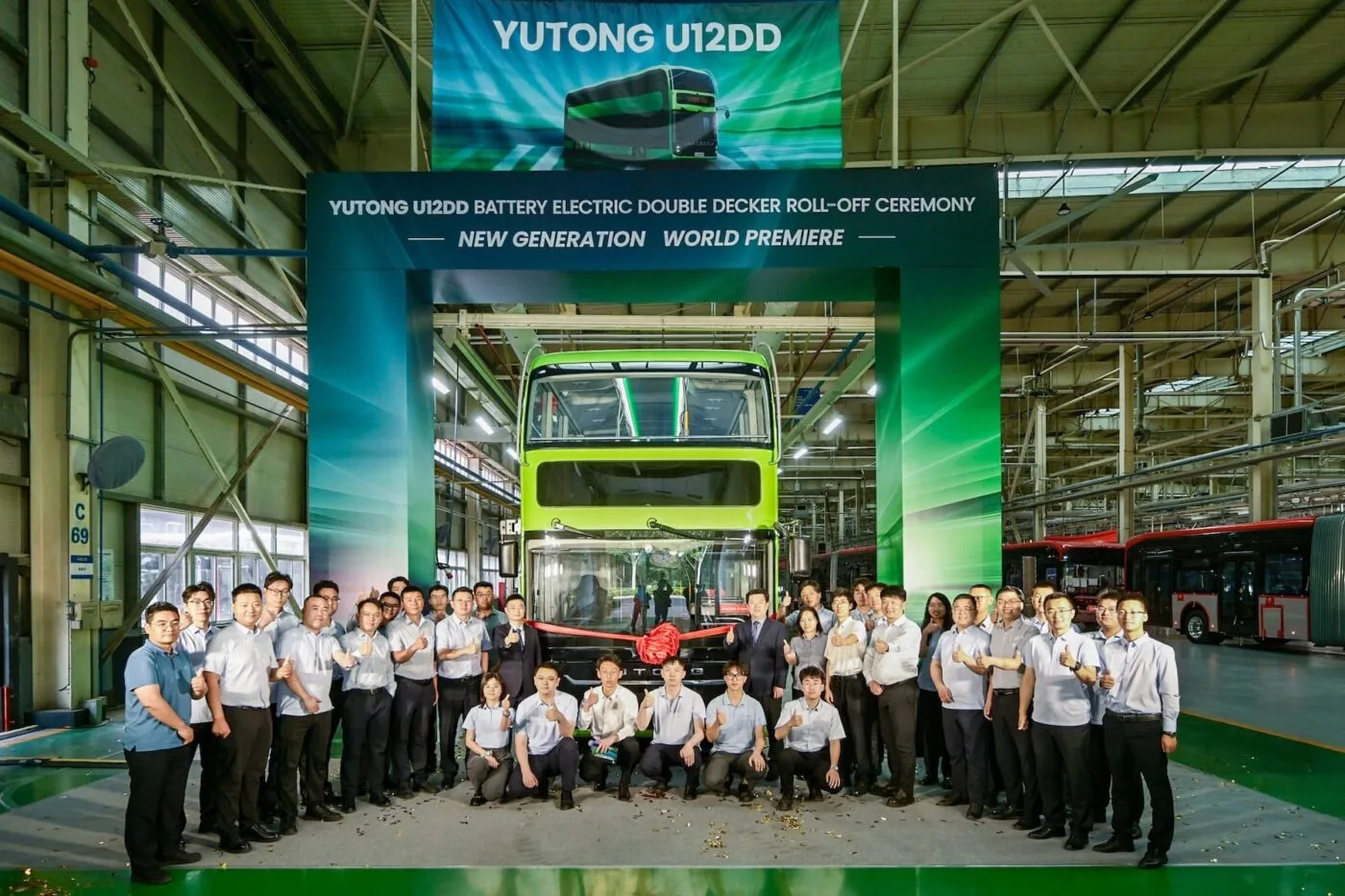
The global energy transition continues to accelerate, with significant implications for conventional fossil fuel markets. A recent development from Chinese manufacturing giant Yutong serves as a stark reminder of the encroaching electrification trend in heavy-duty transport, a segment traditionally reliant on diesel. Yutong has commenced series production of its next-generation electric double-decker bus, the U12DD, a move poised to intensify the structural shift away from petroleum in urban public transit systems worldwide.
This isn’t merely an incremental product update; it represents a strategic pivot by one of the world’s largest bus manufacturers towards a fully electric future, directly challenging the dominance of internal combustion engines. Investors in the oil and gas sector must closely monitor such advancements, as the cumulative effect of these individual fleet electrifications will inevitably chip away at global diesel demand, impacting crude oil prices and refiner margins over the long term.
Strategic Electrification Drives Market Shift
The first unit of the revamped Yutong U12DD recently rolled off the production line in Zhengzhou, China, signaling a serious commitment to advanced electric mobility. Li Jia, Deputy CTO of Yutong High-End and International Engineering, emphasized that this launch transcends simple product enhancement, embodying Yutong’s overarching “high-end strategy” for new energy buses. This strategic thrust aims to position Yutong at the forefront of the green mobility revolution, moving beyond basic utility to offer premium, technologically advanced electric solutions.
Kent Chang, CEO of Yutong Asia-Pacific, reinforced this sentiment, highlighting the U12DD’s “comprehensive breakthroughs in safety, range, durability, and intelligent management.” For oil and gas investors, these “breakthroughs” are critical. They indicate that electric vehicles are no longer niche alternatives but are becoming increasingly competitive, and in many operational aspects, superior to their diesel counterparts. Improved range and durability directly address historical pain points for fleet operators, making the switch to electric buses a more economically viable and operationally sound decision, thus accelerating the displacement of diesel.
Advanced Specifications Undermine Diesel Dominance
The technical specifications of the U12DD underscore its potential to significantly erode diesel consumption in urban environments. This twelve-meter-long, three-door, two-staircase double-decker bus can accommodate up to 120 passengers, making it ideal for high-density urban routes. Its most compelling feature, however, is its impressive range: up to 670 kilometers on a single charge, powered by a substantial 621 kWh battery. This range largely eliminates “range anxiety” for city bus operators, ensuring full-day operation without mid-route charging.
Furthermore, the U12DD boasts EU-compliant dual-gun charging capability with a maximum output of 350 kW, allowing for a full battery replenishment in approximately two hours. Such rapid charging minimizes downtime and maximizes operational efficiency, directly competing with the quick refueling times of diesel buses. The integration of advanced features like the Link+ fleet management system and an intelligent cockpit system, enabling remote monitoring, precise scheduling, and smart operations, further enhances the economic and operational appeal of these electric vehicles for public transport authorities. These technological advancements reduce total cost of ownership for operators, making the choice for electric buses increasingly compelling from a financial standpoint, thereby diminishing the market for diesel fuel.
Global Rollout and Expanding Market Footprint
Yutong’s strategic market deployment of the U12DD offers further insights into the intensifying pressure on diesel demand. Singapore has been chosen as the initial launch market, a significant move considering over 1,000 Yutong buses are already operational in the city-state. This established presence provides a strong foundation for the rapid deployment and acceptance of the new electric model, allowing for direct replacement of existing diesel or older electric models.
Beyond Singapore, Yutong has set its sights on key international markets, particularly the United Kingdom, where double-deckers are iconic and extensively utilized. Yutong already enjoys a robust customer base in the UK; bus operator First Bus, for instance, has previously ordered the U11DD, a sister model. The U12DD is designed to meet the rigorous sustainable transport requirements of diverse cities and demanding operational conditions, including high temperature, high humidity, and intensive usage scenarios. The availability of both public transport and sightseeing versions further broadens its market appeal, extending its reach into various urban fleet segments. Yutong proudly states it has exported approximately 110,000 buses globally and manufactured around 200,000 new energy buses, signaling a formidable and growing global presence that directly translates into displaced diesel consumption.
The Looming Threat to Diesel Demand
For oil and gas investors, the implications of Yutong’s aggressive push into advanced electric bus technology are significant. Each new U12DD entering service directly displaces a diesel-powered equivalent, eliminating hundreds of gallons of diesel consumption annually. Consider a single double-decker bus operating 10-12 hours a day, consuming significant volumes of diesel. Multiply this by Yutong’s existing fleet of 1,000 buses in Singapore alone, and then by the potential thousands more that the U12DD could replace globally over the next decade. The cumulative effect represents a measurable, structural erosion of diesel demand.
While the overall global oil demand picture remains complex, with growth in some sectors, the electrification of heavy-duty public transport represents a clear and present headwind for diesel. This trend is not isolated to Yutong; it reflects a broader industry-wide movement. As performance metrics for electric buses continue to improve and as urban centers worldwide prioritize air quality and decarbonization, the shift away from fossil fuels in public fleets will only accelerate. Investors must recognize that while passenger vehicle electrification often grabs headlines, the electrification of high-utilization commercial fleets like buses, delivery trucks, and eventually long-haul transport, will have a more concentrated and impactful effect on diesel demand. This strategic shift by major manufacturers like Yutong is a tangible indicator that the “peak oil demand” narrative, at least for specific refined products like diesel in urban settings, is rapidly moving from theoretical discussion to operational reality.
Investment Outlook: Monitoring the Energy Transition
The series production of Yutong’s U12DD electric double-decker bus is more than just a product launch; it is a clear signal of the accelerating energy transition within the heavy-duty transport sector. For oil and gas investors, this signifies an ongoing structural threat to diesel demand. While the immediate impact on global crude oil markets may seem localized, the widespread adoption of such advanced electric vehicles by major fleet operators across numerous international markets will steadily diminish the need for diesel fuel. Monitoring these developments, understanding the technological advancements, and assessing the market penetration rates of electric vehicles in commercial and public transport segments are crucial for making informed investment decisions in an evolving energy landscape.