Toyota’s Latest EV Offensive Signals Intensifying Headwinds for Oil Demand
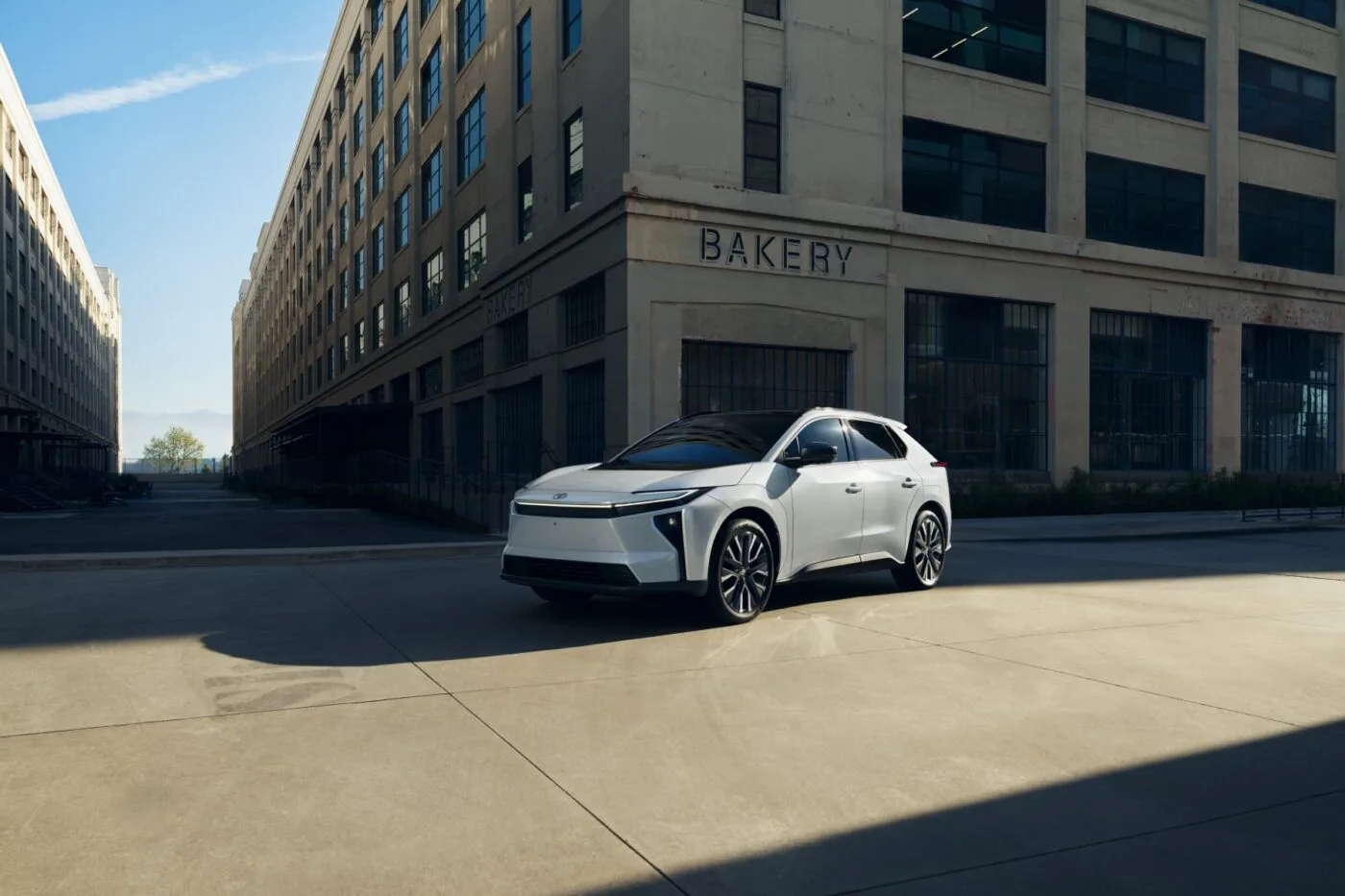
The global energy landscape continues its dynamic shift, and a recent announcement from automotive titan Toyota offers a stark reminder for oil and gas investors: the electrification trend is not only persistent but rapidly accelerating. Toyota, a manufacturer long associated with hybrid technology and a more cautious approach to full battery electric vehicles (BEVs), has significantly upgraded its all-electric SUV, the bZ, for the 2026 model year in the United States. These enhancements are not merely incremental; they represent a concerted effort to address consumer concerns head-on, delivering substantial improvements in range, performance, and charging convenience – factors that directly challenge the supremacy of the internal combustion engine and, by extension, global petroleum demand.
As this updated model prepares to roll into dealerships across the U.S. in the latter half of 2025, its capabilities underscore a growing threat to gasoline consumption. For an industry acutely sensitive to shifts in vehicle fleet composition and fuel efficiency, Toyota’s move cannot be overlooked. It symbolizes how even traditional automotive giants are now fully committing to the EV transition, pouring vast resources into developing competitive, mass-market electric vehicles that directly aim to displace gasoline-powered counterparts.
Addressing Range Anxiety: A Direct Challenge to Gasoline Dominance
One of the most significant barriers to widespread EV adoption has historically been “range anxiety” – the fear of running out of power on a journey. Toyota’s 2026 bZ directly confronts this concern with a substantial boost in driving range. The XLE FWD Plus variant, equipped with a larger 74.7-kWh lithium-ion battery, is projected to achieve an impressive range of up to 314 miles. Even the entry-level model, featuring a 57.7-kWh battery pack, offers a respectable range of approximately 236 miles. These figures are crucial because they push EVs further into the realm of practicality for everyday commutes and even longer road trips, reducing the perceived necessity of gasoline vehicles for many consumers.
Furthermore, the advancements in charging efficiency are equally impactful. The inclusion of a new battery pre-conditioning feature, activated via navigation settings, prepares the battery pack for optimal high-speed charging while en route to a station. This is a game-changer, particularly in colder climates where battery performance and charging speeds can be significantly hampered. Coupled with an increased AC charging capacity of 11 kW and the adoption of the North American Charging Standard (NACS) port, along with Plug & Charge functionality for seamless payment, Toyota is systematically dismantling the convenience advantages once held by gasoline refueling. Each of these improvements makes the EV ownership experience more akin to, or even superior to, traditional vehicles, directly eroding the market for refined petroleum products.
Performance and Technological Leaps Fueling EV Appeal
Beyond range and charging, the 2026 bZ also boasts significant performance enhancements, a critical aspect for attracting consumers who might otherwise gravitate towards powerful gasoline SUVs. All-wheel-drive variants now deliver up to 338 horsepower (approximately 252 kW), marking a substantial 50% increase over the previous generation. This power surge enables a brisk 0–60 mph sprint in under five seconds, a performance metric that rivals many sports sedans, let alone family SUVs. Front-wheel-drive versions also see a healthy boost, offering outputs up to 221 horsepower (about 164 kW).
These performance gains are not merely about raw power; they are underpinned by sophisticated technological advancements. Updated eAxles utilizing silicon carbide semiconductors contribute to improved power density and thermal performance, translating into greater efficiency and reliability. For oil and gas investors, this signifies that electric vehicles are not just becoming “good enough” alternatives; they are evolving into truly compelling options that offer a superior driving experience in many respects. As more vehicles deliver this level of performance without consuming a drop of gasoline, the long-term trajectory for crude oil demand faces an undeniable downward pressure.
Premium Experience and Market Positioning Amplify Impact
Toyota’s strategic positioning of the 2026 bZ as a premium EV experience further compounds its potential impact on oil demand. The vehicle features a sleeker, more aerodynamic exterior with refined design elements, including updated front fascia and lighting, along with colour-matched overfenders. Inside, the cabin receives a redesigned dashboard, a prominent 14-inch touchscreen, and up to 64 ambient lighting colour options, creating a modern and luxurious ambiance. Dual wireless charging pads and a reconfigured console underscore the commitment to convenience and cutting-edge technology.
Moreover, safety remains paramount, with Toyota Safety Sense 3.0 included as standard. This comprehensive suite of driver assistance features, encompassing lane-keeping assist, radar-guided cruise control, and advanced collision avoidance technologies, provides peace of mind. Limited trims further elevate the offering with features like Traffic Jam Assist and a 360-degree camera system. By delivering a well-rounded package that combines performance, range, advanced technology, and a premium feel, Toyota is actively competing for a broader segment of the automotive market. This includes consumers who might typically opt for larger, more fuel-intensive gasoline-powered SUVs, thus directly siphoning off potential petroleum consumption.
The Cumulative Effect: A Clear Signal for Oil & Gas Investors
The introduction of the 2026 Toyota bZ, available in both FWD and AWD across XLE and Limited trim levels and expected at dealerships in the second half of 2025, sends a clear and unequivocal message to the oil and gas sector. While specific North American pricing remains pending, the strategic improvements across every critical dimension – range, charging, performance, and luxury – demonstrate Toyota’s serious intent to capture a significant share of the burgeoning EV market. This is not an isolated event but part of a broader, global automotive electrification trend.
For investors in crude oil and refined products, these developments are more than just automotive news; they are fundamental shifts in the demand landscape. Each advanced EV entering the market, especially from a volume manufacturer like Toyota, contributes to the gradual but inexorable erosion of gasoline demand. The cumulative effect of these vehicles, combined with increasingly stringent emissions regulations and evolving consumer preferences, points towards a future where peak oil demand could arrive sooner and be more pronounced than many previously anticipated. Vigilance and strategic adaptation remain crucial for navigating the evolving energy markets in the face of this accelerating automotive electrification.