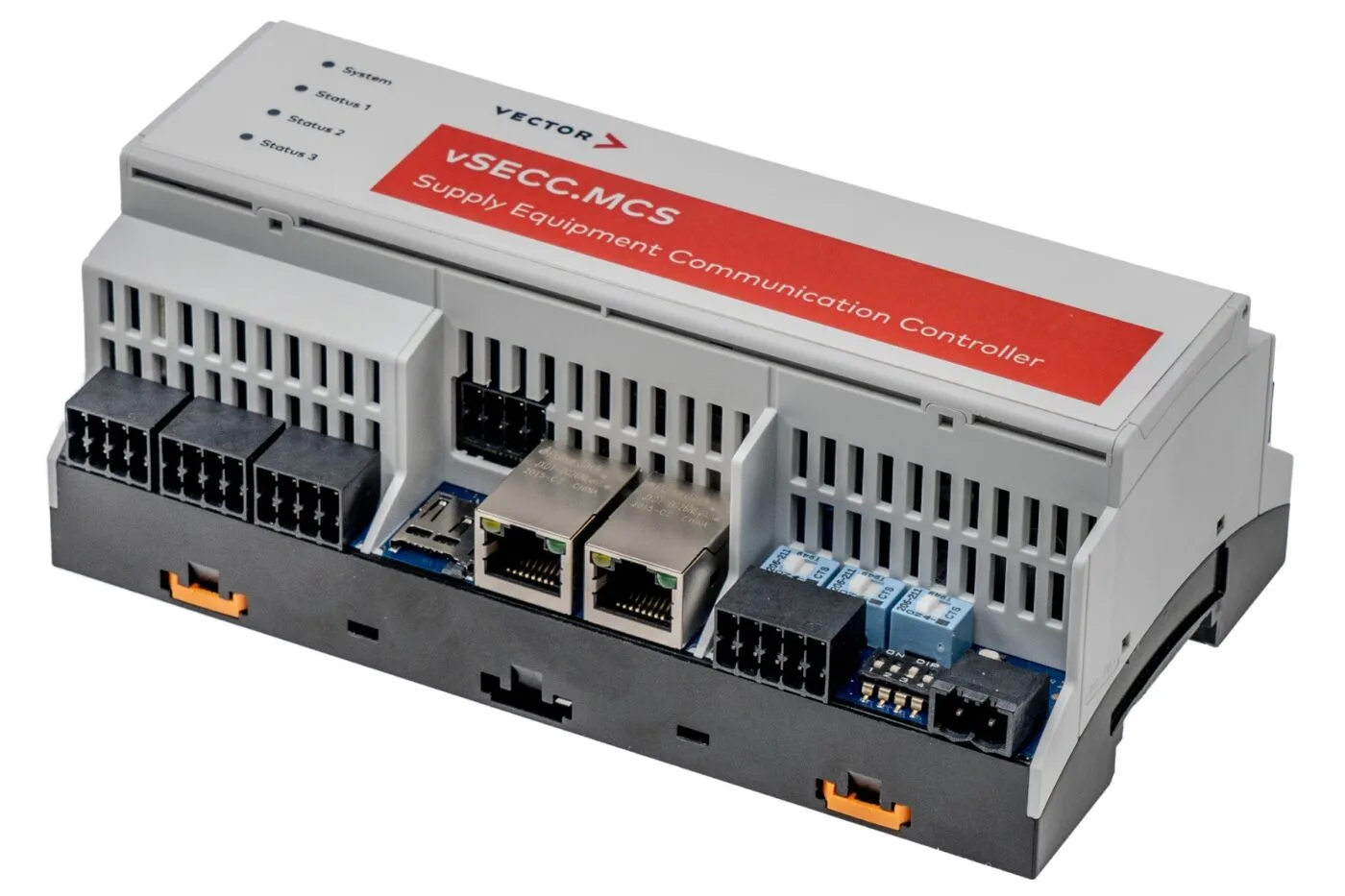
Vector’s Megawatt Charging Controller Accelerates Heavy-Duty EV Transition
The global energy landscape continues its dynamic evolution, with electrification increasingly penetrating sectors once considered bastions of fossil fuel dominance. A significant stride in this ongoing transition comes from German technology firm Vector, which has commenced full-scale production of its vSECC.MCS controller. This specialized hardware is engineered to power Megawatt Charging Systems (MCS), a critical enabler for the widespread adoption of heavy-duty electric vehicles, particularly in long-haul logistics. This development signals a clear acceleration in the commercial EV sector, with profound implications for the broader energy market and investor outlook on traditional fuel demand.
Unlocking the Potential of Heavy-Duty Electrification
For years, the electrification of commercial trucking faced formidable hurdles, primarily revolving around charging speed and infrastructure availability. Battery-electric trucks, essential for decarbonizing freight, demand immense power replenishment during their limited downtimes to maintain operational efficiency. Vector’s vSECC.MCS controller directly addresses this bottleneck, facilitating charging capacities of up to an astonishing 3.75 megawatts. This immense power delivery means a typical electric truck can achieve an 80 percent charge in approximately 45 minutes, dramatically shortening layovers and improving fleet utilization. For investors eyeing the transportation sector, this rapid turnaround time is a game-changer, making electric fleets far more economically viable for intensive operations.
This innovation, initially showcased at Power2Drive 2025, represents a pivotal moment for infrastructure developers. The vSECC.MCS is now available for integration into new MCS-based solutions, paving the way for a robust network of ultra-fast charging points. Its core function is to manage the intricate communication interface between the vehicle and the charger, ensuring safe and efficient power transfer at megawatt scales. This foundational technology is crucial for de-risking investments in large-scale charging depots and corridor infrastructure.
Technical Prowess and Market Readiness
Vector has designed the vSECC.MCS with an eye towards both performance and interoperability. The controller leverages Ethernet communication, aligning with the international standard ISO 15118-20, which is crucial for advanced smart charging functionalities and grid integration. Furthermore, its connector systems comply with IEC TS 63379, assuring broad compatibility and reliability across a nascent but rapidly expanding ecosystem. An additional strategic advantage lies in its backward compatibility with the Combined Charging System (CCS), allowing for versatile charging stations capable of servicing a broader range of electric vehicles, and even enabling dual-vehicle charging from a single unit. This versatility enhances the business case for charging station operators, maximizing asset utilization.
Investor confidence in emerging technologies often hinges on rigorous testing and proven reliability. Vector’s vSECC.MCS has successfully completed a year of intensive field-testing with pilot customers, operating under real-world conditions to refine its performance. Final prototypes have also cleared stringent electromagnetic compatibility (EMC) tests, a non-negotiable requirement for high-power electrical systems to ensure safety and prevent interference. With these critical milestones achieved, the market can anticipate first commercial deliveries of the controller throughout 2025, signaling the transition from conceptualization to tangible, scalable deployment.
Strategic Vision and Ecosystem Integration
Dr. Omar Abu Mohareb, Product Manager at Vector, underscored the development philosophy, emphasizing “robust communication, seamless system integration, and fast availability.” He also highlighted the invaluable input from pilot customers, stating, “Thanks to close collaboration with pilot customers, we were able to tailor the product closely to real-world requirements.” This customer-centric approach is vital for ensuring that complex new technologies meet practical operational demands and gain rapid market acceptance, a key factor for sustained growth and profitability in the charging infrastructure sector.
Significantly, the vSECC.MCS is not a standalone product but an extension of Vector’s well-established electric mobility portfolio. Built upon the same proven hardware and firmware platform as the company’s existing CCS controllers, it benefits from rapid development cycles and streamlined integration into current charging infrastructure designs. This strategic commonality accelerates market adoption and reduces development risk for infrastructure providers. Vector’s comprehensive e-mobility suite also includes controllers for residential wallboxes and public charging stations, the vCharM load management system for intelligent energy distribution, and essential protocol libraries for grid-friendly charging implementation – positioning the company as a foundational technology provider in the evolving power ecosystem and a potential beneficiary of the broader electrification trend.
Implications for the Energy Sector
For stakeholders in the traditional oil and gas sectors, the mass production of the vSECC.MCS controller serves as another potent indicator of accelerating shifts within the transportation matrix. While heavy-duty trucking remains a significant consumer of diesel fuel globally, advancements like MCS dramatically reduce the operational barriers to fleet electrification. As charging times shrink and infrastructure becomes more robust, the economic case for electric trucks strengthens, potentially leading to a gradual but profound erosion of diesel demand in the long term. This warrants careful consideration for investment strategies tied to refining and distribution of traditional fuels.
This transition also presents new avenues for investment and strategic realignment for energy companies. Utilities, power generators, and grid operators will see increased demand for electricity, necessitating substantial investments in grid modernization, renewable energy sources, and sophisticated load management systems. The financial implications extend beyond fuel sales, touching upon infrastructure development, new service models, and the competitive dynamics between traditional and emerging energy providers. Monitoring the deployment and adoption rates of MCS technology will be crucial for understanding the pace and scale of this energy transformation and identifying emerging opportunities within the energy value chain.
Charting the Future of Commercial Transport
Vector’s move to mass production for its MCS controller is more than just a product launch; it’s a foundational step towards a future where heavy-duty electric transport is not just feasible but economically compelling. By solving one of the most significant challenges in commercial EV adoption – rapid charging – the company is helping to accelerate the decarbonization of logistics and redefine energy consumption patterns across the globe. Investors observing the energy transition should recognize this development as a key enabler, signaling the growing maturity and viability of electric alternatives in even the most demanding segments of the transport industry, and prompting a reevaluation of long-term energy market forecasts.