Polytron’s Electric Vehicle Foray Signals Shifting Sands in Indonesian Energy Landscape
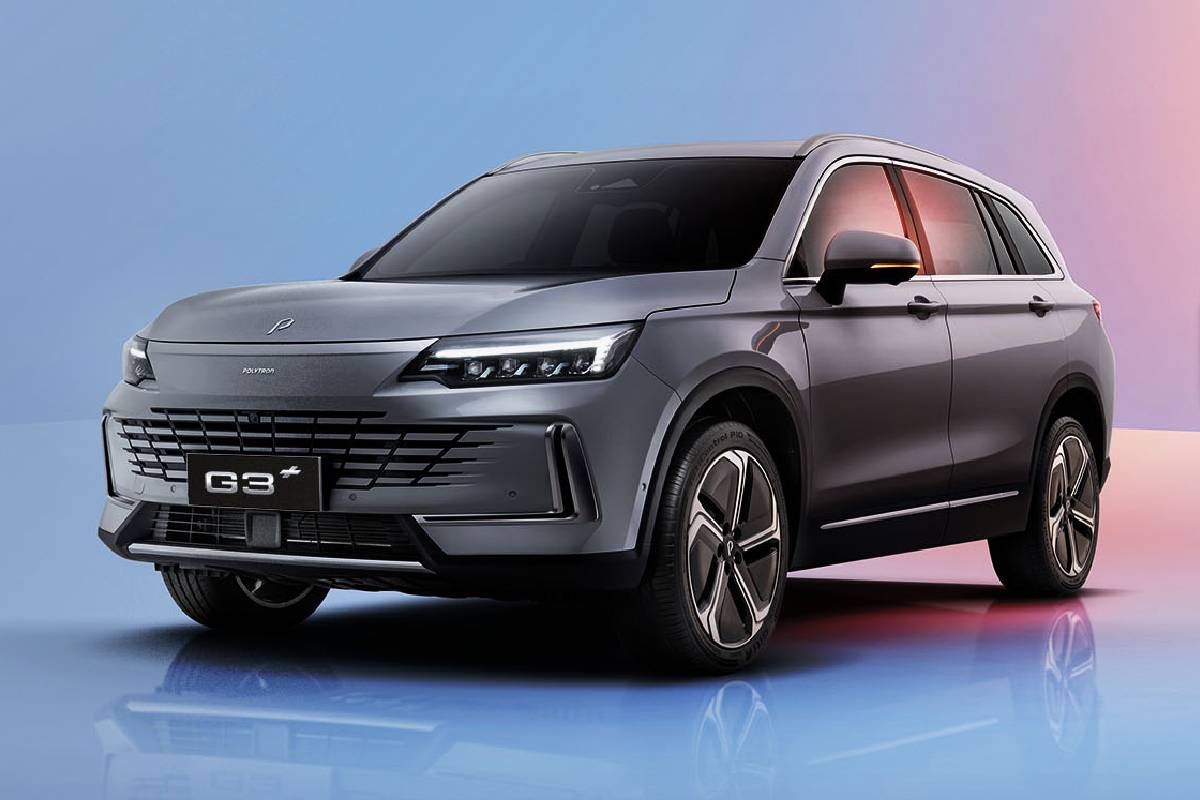
Indonesian consumer electronics giant, Polytron, has made a significant strategic pivot, entering the electric vehicle (EV) sector with its new G3 mid-size electric SUV. This move marks a pivotal moment, presenting the first electric vehicle to emerge under an Indonesian brand, a development keenly watched by investors tracking the energy transition across Southeast Asia. For an industry traditionally reliant on fossil fuels, the rapid emergence of domestic EV players like Polytron signals a clear long-term shift in energy consumption patterns and infrastructure requirements within one of the world’s most populous nations. This development underscores the accelerating pace of electrification, even in markets traditionally dominated by internal combustion engine vehicles, posing both challenges and opportunities for the broader energy investment landscape.
Strategic Market Entry and Localized Production
Polytron’s approach to market entry is highly pragmatic, leveraging established Chinese EV technology. The G3 is, in essence, a localized variant of the Skyworth EV6, a model from a prominent Chinese automaker. This strategy allows for rapid deployment and cost efficiency, bypassing the extensive research and development typically required for a ground-up vehicle design. Polytron has differentiated its offering through cosmetic modifications, notably redesigning the front fascia to incorporate an upper grille, giving the vehicle a distinct, more conventional aesthetic, alongside integrating its proprietary branding both externally and within the cabin.
The assembly process further highlights a strategic blend of international sourcing and local execution within the burgeoning Indonesian EV market. Knocked-down kits for the G3 are imported from China, with final assembly undertaken by Indonesian contract manufacturer Handal Motor at its facility in Purwakarta, West Java. This operational model has enabled the vehicle to achieve a commendable 40% local content, as confirmed by Indonesia’s Minister of Industry, Agus Gumiwang Kartasasmita. While the initial sales target of 1,500 units by year-end suggests a cautious rollout, this volume indicates that a deeper, more capital-intensive localization might not be financially justifiable in the immediate term, allowing Polytron to test market demand while gradually building domestic supply chain capabilities. This phased approach offers a prudent pathway for an electronics firm venturing into automotive manufacturing, mitigating initial investment risks while positioning for future growth in Indonesia’s electric vehicle ecosystem.
Technical Specifications and Charging Infrastructure
From a performance perspective, the Polytron G3 is equipped to meet the demands of urban and inter-city travel within Indonesia. It features a front-mounted electric motor delivering 150 kW of power and a robust 320 Nm of torque. This powertrain sources energy from a 52 kWh LFP (Lithium Iron Phosphate) battery pack, a choice often favored for its cost-effectiveness, longevity, and safety profile in mass-market applications. The vehicle achieves a 0 to 100 kph acceleration in 9.6 seconds and reaches a top speed of 150 kph. Its CLTC-rated range of 402 km on a single charge positions it competitively within the mid-size SUV segment, addressing range anxiety for many potential Indonesian EV buyers.
Charging solutions are tailored across the G3 lineup, enhancing convenience for consumers and reflecting varying investment levels in home charging infrastructure. The standard G3 model incorporates a 6.6 kW onboard charger, while the premium G3+ variant boasts an 11 kW onboard charger, significantly reducing charging times. Polytron estimates that the 52 kWh LFP battery pack can be fully replenished in less than five hours for the standard G3 and under three and a half hours for the G3+, though specific state-of-charge ranges for these figures were not disclosed. For rapid charging on the go, the G3 supports DC fast charging, capable of boosting the battery from 20% to 70% in under 35 minutes, a crucial feature for enabling seamless public charging infrastructure development and supporting extended travel, thereby reducing reliance on traditional fuel stations.
Innovative Pricing and Distribution Strategy
Polytron’s market entry is supported by an ambitious distribution strategy and flexible pricing models designed to accelerate adoption of electric vehicles in Indonesia. The company intends to establish a network of eight dedicated vehicle showrooms across Indonesia this year, strategically positioning four in Jakarta, one in Semarang, one in Bandung, and two in Surabaya. This focus on key urban centers underscores a commitment to direct consumer engagement, service support, and building brand presence in the nascent EV market.
Pricing for the G3 starts at 419 million rupiah (approximately 22,500 euros), with the G3+ priced at 459 million rupiah (around 24,600 euros). Critically, Polytron is introducing a Battery-as-a-Service (BaaS) option, an innovative ownership model that significantly lowers the upfront purchase barrier for consumers. Under this scheme, the vehicle price drops to 299 million rupiah (roughly 12,300 euros) for the G3 and 339 million rupiah (about 18,200 euros) for the G3+. Customers then commit to a minimum monthly battery subscription cost of 1.2 million rupiah (approximately 64 euros), coupled with a usage-based fee of 800 rupiah (0.04 euros) per 1,500 km. This financial model directly addresses one of the primary hurdles to EV adoption – the high initial battery cost – by shifting it to an operational expense, making electric mobility more accessible to a broader segment of the Indonesian population and potentially driving higher sales volumes, thus impacting long-term energy demand projections.
Implications for Traditional Energy Markets and Investors
Polytron’s aggressive push into Indonesia’s EV sector carries significant implications for oil and gas investors. As domestic EV production and adoption scale up, it will inevitably contribute to a gradual, but sustained, reduction in demand for petroleum-based fuels for transportation. Indonesia, a major energy consumer and producer, is witnessing a diversification of its energy mix, moving towards electrification in the automotive sector. This trend, while nascent, signals a long-term shift away from internal combustion engine vehicles, directly impacting future crude oil demand in the region and shaping the investment thesis for traditional energy companies.
Investors in the oil and gas space must recognize these macro trends and the strategic maneuvers of companies like Polytron. While the immediate impact of 1,500 EV sales on Indonesia’s vast fuel consumption is minimal, the strategic intent and the innovative BaaS model by a prominent local brand like Polytron indicate a future where electric mobility becomes increasingly mainstream. This necessitates a re-evaluation of long-term investment strategies, potentially favoring companies with diversified energy portfolios or those actively investing in renewable energy and charging infrastructure. The energy transition is not a distant concept; it’s a present reality shaping investment landscapes, even in emerging markets like Indonesia, where new players are rapidly carving out their positions and challenging established energy paradigms.
Conclusion
Polytron’s entry into the electric vehicle market with the G3 is more than just a new product launch; it’s a strategic maneuver that underscores the accelerating pace of the global energy transition, even within key oil and gas producing nations like Indonesia. By combining international technology with local assembly and an innovative BaaS ownership model, Polytron is positioning itself to capture a significant share of Indonesia’s nascent, yet rapidly growing, electric vehicle market. For investors monitoring the evolving energy landscape, this development serves as a tangible indicator of shifting consumer preferences and governmental support for electrification, compelling a closer look at the long-term prospects for traditional fossil fuel demand in Southeast Asia. The journey to an electrified future in Indonesia has just begun, with Polytron leading the charge from the domestic front, demanding strategic foresight from all energy market participants.