Abu Dhabi’s Electric Surge: A Wake-Up Call for Global Oil Demand
The financial world of oil and gas is closely monitoring an aggressive strategic pivot unfolding in the heart of a major petroleum-producing nation. Abu Dhabi Mobility, an entity operating under the UAE’s Department of Municipalities and Transport, has unveiled a substantial initiative to drastically expand its electric vehicle (EV) charging infrastructure. This move, while commendable for its environmental ambitions, sends a clear signal to oil market participants: even bedrock producers are actively paving the way for a future less reliant on internal combustion engines, potentially accelerating the timeline for peak oil demand.
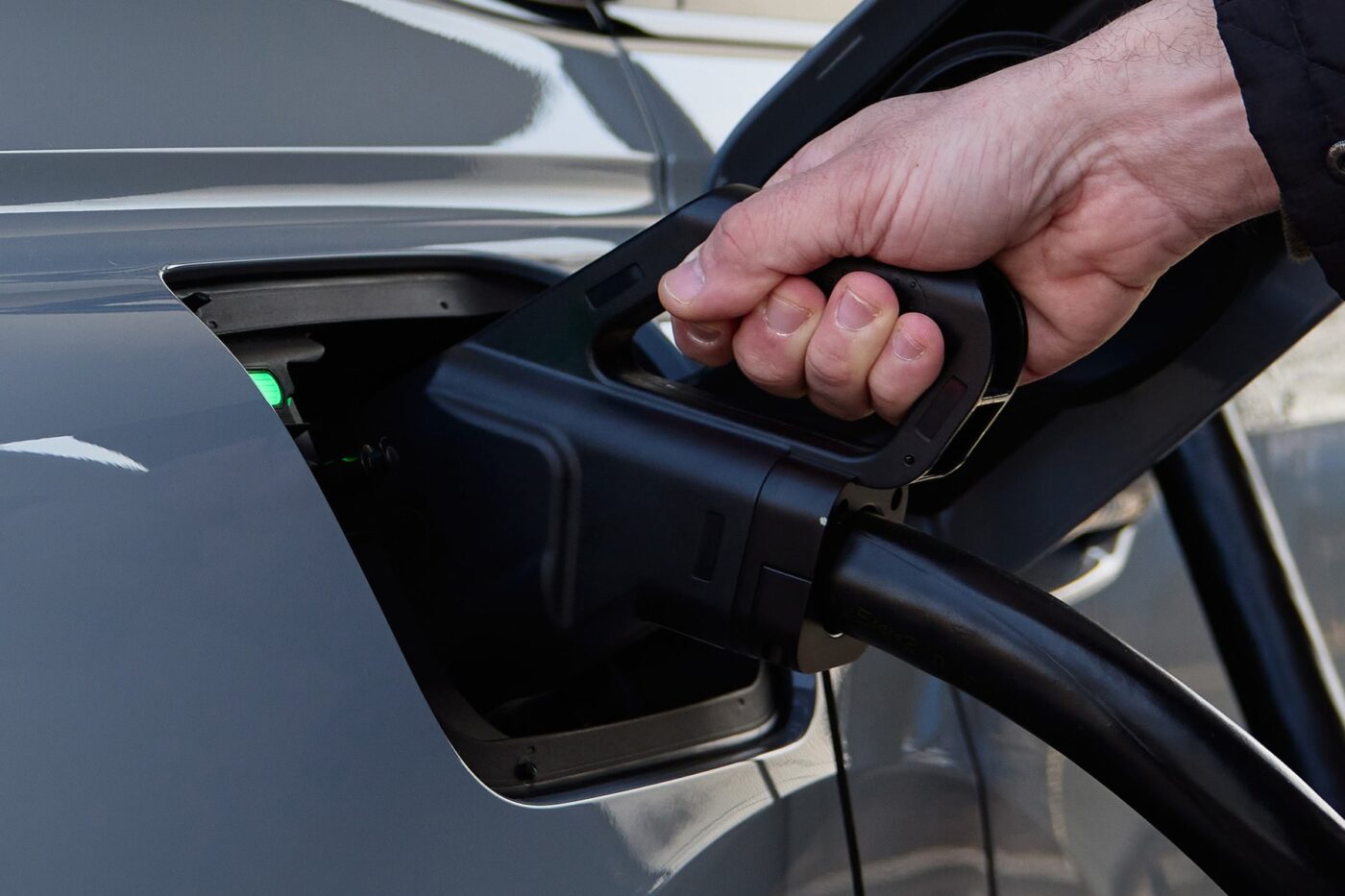
The scope of this latest investment is significant, encompassing the deployment of 1,000 new charging points across 400 distinct locations. These strategically chosen sites include high-traffic areas such as premier hotels and bustling shopping centers, ensuring widespread accessibility for the burgeoning EV fleet. While the specific financial outlay for this massive undertaking remains undisclosed, Abu Dhabi Mobility has confirmed the engagement of multiple operators through public-private partnership (PPP) contracts. These agreements cover the entire lifecycle of the chargers, from supply and installation to ongoing operation and maintenance, signaling a robust, long-term commitment to the electrification strategy.
Expanding the Charging Footprint: Details and Tariffs
The comprehensive network will span key geographical areas within the emirate, including Abu Dhabi Island, the Al Ain region, and the Al Dhafra region. All these new stations will operate under the unified brand name “Charge AD,” providing a streamlined and consistent experience for EV owners. Crucially for investors tracking market dynamics, the initiative establishes standardized charging tariffs: AED 0.70 per kilowatt-hour (p/kWh) for AC charging and AED 1.20 p/kWh for DC fast charging. This transparent pricing structure aims to encourage wider EV adoption by providing cost certainty, a critical factor for consumers considering the switch from gasoline.
While the initial rollout focuses on these 400 core locations, the framework anticipates further expansion. The program is designed to facilitate additional charger installations in other public venues, such as further shopping centers and hotels, through collaborative partnerships. This flexible approach underscores a proactive strategy to meet future demand as EV penetration continues its upward trajectory in the emirate.
Driving Towards a Sustainable Future: Vision and Growth
Dr. Abdulla Hamed Al Ghfeli, Acting Director General of the Integrated Transport Centre, articulated the strategic rationale behind this infrastructure push. He emphasized that establishing a unified and extensive electric vehicle charging network is fundamental to fostering EV adoption and cultivating a smarter, more sustainable community. This initiative, he stated, directly supports Abu Dhabi’s overarching vision for a future characterized by reduced emissions and enhanced energy efficiency. For oil and gas investors, this rhetoric from a leading official in an OPEC+ nation is highly indicative of the long-term direction of travel, even within traditional energy powerhouses.
The emirate’s commitment is already yielding tangible results. Data reveals a remarkable surge in EV registrations, with over 15,000 electric vehicles recorded during the first quarter of 2025 alone. This figure represents a robust 60 percent increase compared to the same period in the previous year, demonstrating a rapidly accelerating shift in consumer preference. This growth is not accidental; it aligns with a meticulously crafted policy outlined in 2022. This forward-looking framework targets an ambitious goal: 50 percent of the UAE’s vehicle fleet to be electric by 2040. The policy’s comprehensive nature is particularly noteworthy, addressing every facet of EV adoption, including vehicle ownership incentives, electricity supply infrastructure, pricing mechanisms, and, of course, the ubiquitous availability of charging solutions.
Implications for Oil & Gas Investors: A Shifting Landscape
For investors focused on the crude oil market and the broader petroleum sector, Abu Dhabi’s aggressive electrification strategy carries significant implications. While the immediate impact on global oil demand from a single emirate’s EV adoption might seem marginal, the symbolic weight and the trend it represents are profound. When a nation built on oil wealth proactively invests in displacing petroleum consumption within its own borders, it validates the accelerating energy transition narrative that many analysts have been highlighting.
This localized shift directly translates into a reduction in demand for refined petroleum products, particularly gasoline and diesel, within the UAE. As the EV fleet grows from thousands to tens of thousands and ultimately millions by 2040, the cumulative effect on domestic fuel consumption will become increasingly material. This development prompts critical questions for downstream operators, refiners, and fuel retailers with exposure to the Middle Eastern market: How quickly will demand erosion occur? What diversification strategies are necessary to mitigate these emerging risks?
Furthermore, Abu Dhabi’s actions serve as a powerful precedent. If other major oil-producing nations, particularly within OPEC+, follow suit with similar vigor, the collective impact on global oil demand projections could be substantial and potentially sooner than anticipated by some bullish market forecasts. This trend strengthens the argument for an earlier “peak oil demand” scenario, influencing long-term investment decisions across the entire oil and gas value chain, from exploration and production to refining and distribution.
Investors must also consider the source of the electricity powering these new EVs. The UAE has been diversifying its energy mix, investing heavily in solar power, nuclear energy, and natural gas for electricity generation. This means that while oil demand for transportation might decline, the demand for natural gas in power generation could see an uplift, creating new opportunities and challenges for different segments of the energy market. This intricate interplay of energy sources underscores the complexity of the ongoing transition and the need for a nuanced investment approach.
Conclusion: Navigating the Energy Transition from the Inside Out
Abu Dhabi’s ambitious EV infrastructure expansion is more than just an environmental initiative; it is a clear strategic move by a prominent oil producer to future-proof its economy and energy landscape. For investors in the oil and gas sector, this development reinforces the imperative to critically evaluate long-term demand forecasts and assess the resilience of current portfolios against the backdrop of a rapidly evolving global energy mix. The commitment to 1,000 new charging points, coupled with a policy targeting 50% EV penetration by 2040, signals an undeniable shift. While the world’s thirst for crude oil remains robust today, such bold internal transformations by key oil nations are powerful indicators of the profound changes that lie ahead for the petroleum market.


