Spain Bolsters eMobility Investment Certainty with Fourth PERTE Funding Round
In a significant move poised to reshape the European automotive and energy landscape, the Spanish government has unveiled the fourth iteration of its Strategic Project for the Recovery and Economic Transformation (PERTE) for Electric and Connected Vehicles program. This latest funding round, boasting a substantial budget of 1.25 billion euros, signals Spain’s unwavering commitment to accelerating its energy transition and cementing its position as a global hub for advanced mobility solutions. For investors keenly observing shifts in industrial policy and the future of energy demand, this development offers critical insights into state-backed opportunities and market trajectory.
Strategic Funding Allocation and Operational Shift
A notable departure from previous PERTE rounds is the revised funding structure. The lion’s share of the 1.25 billion euro allocation, specifically 1 billion euros, will be disseminated in the form of loans. The remaining 250 million euros are earmarked for direct subsidies. This strategic pivot towards loan-based financing suggests a government emphasis on fostering financially robust and sustainable projects, encouraging greater accountability and a long-term return on investment from beneficiaries. For market participants, this shift may indicate a maturing program, moving beyond initial stimulus to a more partnership-oriented approach with the private sector.
Adding another layer of operational refinement, the State Corporation for Industrial Promotion and Enterprise Development (Sepides) will assume responsibility for managing this new funding phase. This institutional change could streamline the application process and enhance oversight, providing a more predictable and efficient pathway for companies seeking support. The program’s core focus remains bifurcated: supporting projects across the entire electric vehicle value chain and specifically bolstering battery production capabilities. An initial call for proposals dedicated to battery projects is anticipated within weeks, to be followed by a broader call for value chain initiatives, strategically phasing the deployment of capital into key areas of growth.
PERTE’s Track Record: A Foundation for Future Growth
Since its inception in 2022, the PERTE program has demonstrated a formidable capacity for driving industrial transformation. Over its initial three funding rounds, the initiative has channeled nearly 2,500 million euros into approximately 300 companies, spanning the entire automotive value chain. This impressive track record underscores the program’s effectiveness in mobilizing private investment and fostering innovation within the sector. Such consistent government backing provides a strong signal of stability and long-term vision, crucial factors for attracting and retaining capital in emerging industries.
Key industry players have significantly leveraged PERTE’s support to advance their eMobility ambitions. Seat, a prominent beneficiary, secured nearly half of the initial launch year’s funds and capitalized on the 2023 program to facilitate the construction of a critical battery factory, a project that subsequently received approval from the European Commission. The trend continued into 2024, with another Volkswagen subsidiary, PowerCo, alongside Stellantis, securing substantial funding to establish additional battery manufacturing facilities in Spain. These strategic investments are not merely about vehicle production; they represent foundational steps in building a comprehensive domestic supply chain for electrified mobility, reducing reliance on external markets and creating new industrial capacities.
Government Vision Meets Accelerating Market Demand
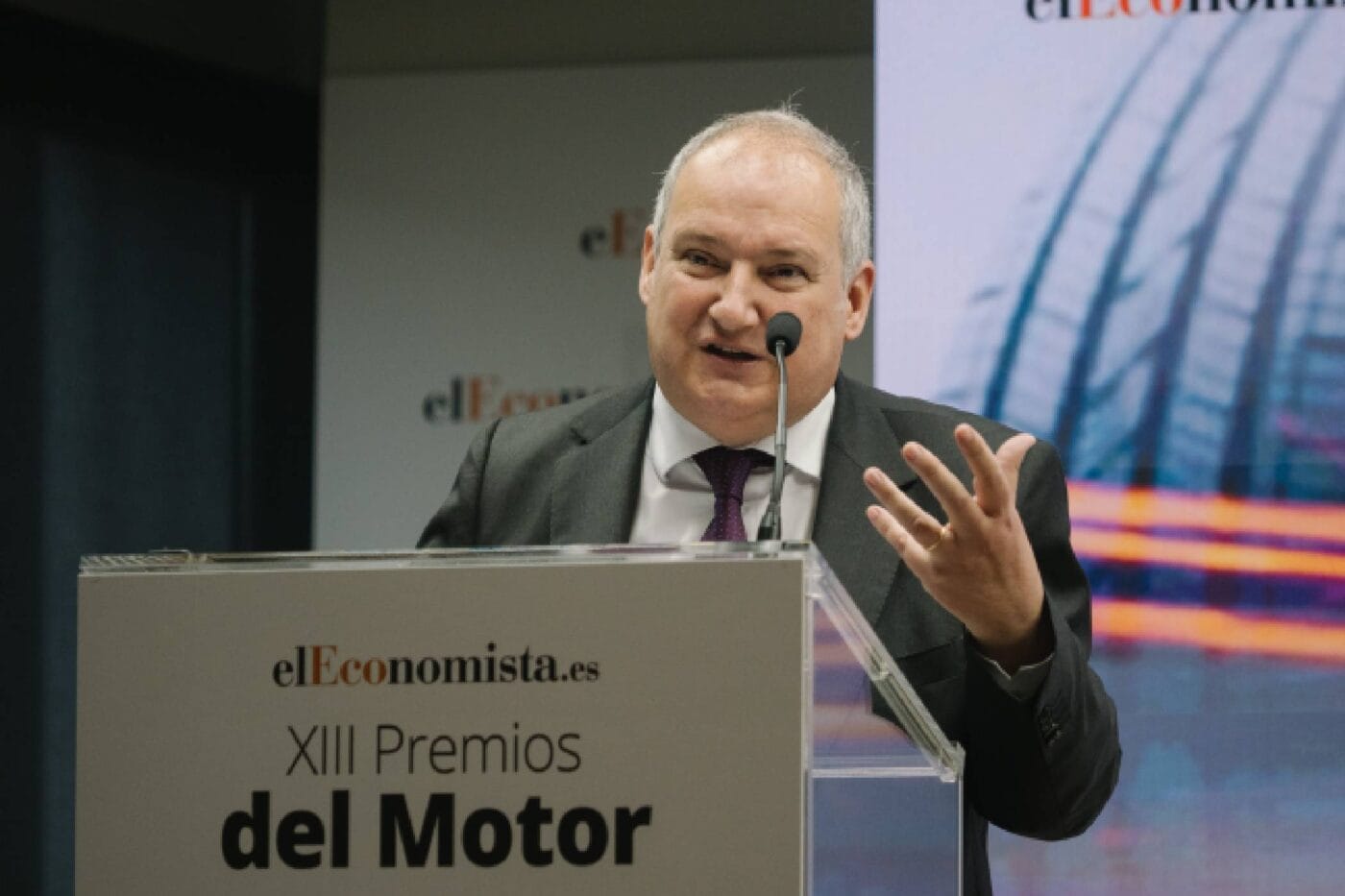
Spain’s Minister of Industry and Tourism, Jordi Hereu, has actively encouraged companies to engage with the program, articulating a clear vision for the nation’s industrial future. “We aim to fully utilize all available funds and vigorously propel the country’s industrial transformation,” the minister stated, emphasizing the imperative for local companies not only to adapt to ongoing changes but to proactively anticipate them. The ambition is clear: to establish Spain as a leading producer of advanced mobility solutions, transcending its traditional role as a major vehicle manufacturer. This forward-looking stance is a powerful indicator for investors seeking markets with robust government support and a clear strategic direction.
The program’s architects also highlight the undeniable growth in the e-mobility sector as a testament to PERTE’s success and the market’s readiness for electrification. Recent statistics paint a compelling picture of accelerating consumer adoption: passenger car sales in April witnessed a healthy 7.1% increase, with nearly 100,000 units sold. More broadly, the first four months of the year saw a 12.2% surge in new registrations compared to the same period in 2023. Critically, electrified vehicles demonstrated a particularly significant uptick, soaring by 80% year-over-year. This burgeoning market demand provides a fertile ground for the investments fostered by PERTE, suggesting robust returns for companies positioned within this expanding ecosystem.
Implications for Oil & Gas Investors
For investors focused on the traditional oil and gas sector, Spain’s sustained and expanded commitment to eMobility through the PERTE program serves as a crucial signal. It underscores the accelerating pace of the global energy transition and the strategic efforts by developed nations to reduce their reliance on fossil fuels for transportation. While directly investing in the PERTE program’s beneficiaries might fall outside the core mandate of some O&G portfolios, understanding these dynamics is vital for long-term demand forecasting and risk assessment in the hydrocarbon market. The rapid growth of electrified vehicle sales in a major European economy directly impacts future gasoline and diesel consumption trends, necessitating a keen eye on diversification strategies and the evolving energy mix.
Furthermore, the significant capital flowing into battery production and the EV value chain represents substantial new opportunities within the broader energy sector. Companies involved in critical minerals, advanced manufacturing, charging infrastructure, and smart grid technologies are direct beneficiaries of such initiatives. Oil and gas firms with strategic foresight may identify avenues for leveraging existing infrastructure, engineering expertise, or capital to participate in these burgeoning segments, mitigating future risks associated with declining fossil fuel demand. Spain’s PERTE extension thus offers not just investment certainty for its domestic eMobility sector, but a clear bellwether for the strategic direction of energy and industrial policy across Europe, demanding careful consideration from all corners of the global energy investment community.


