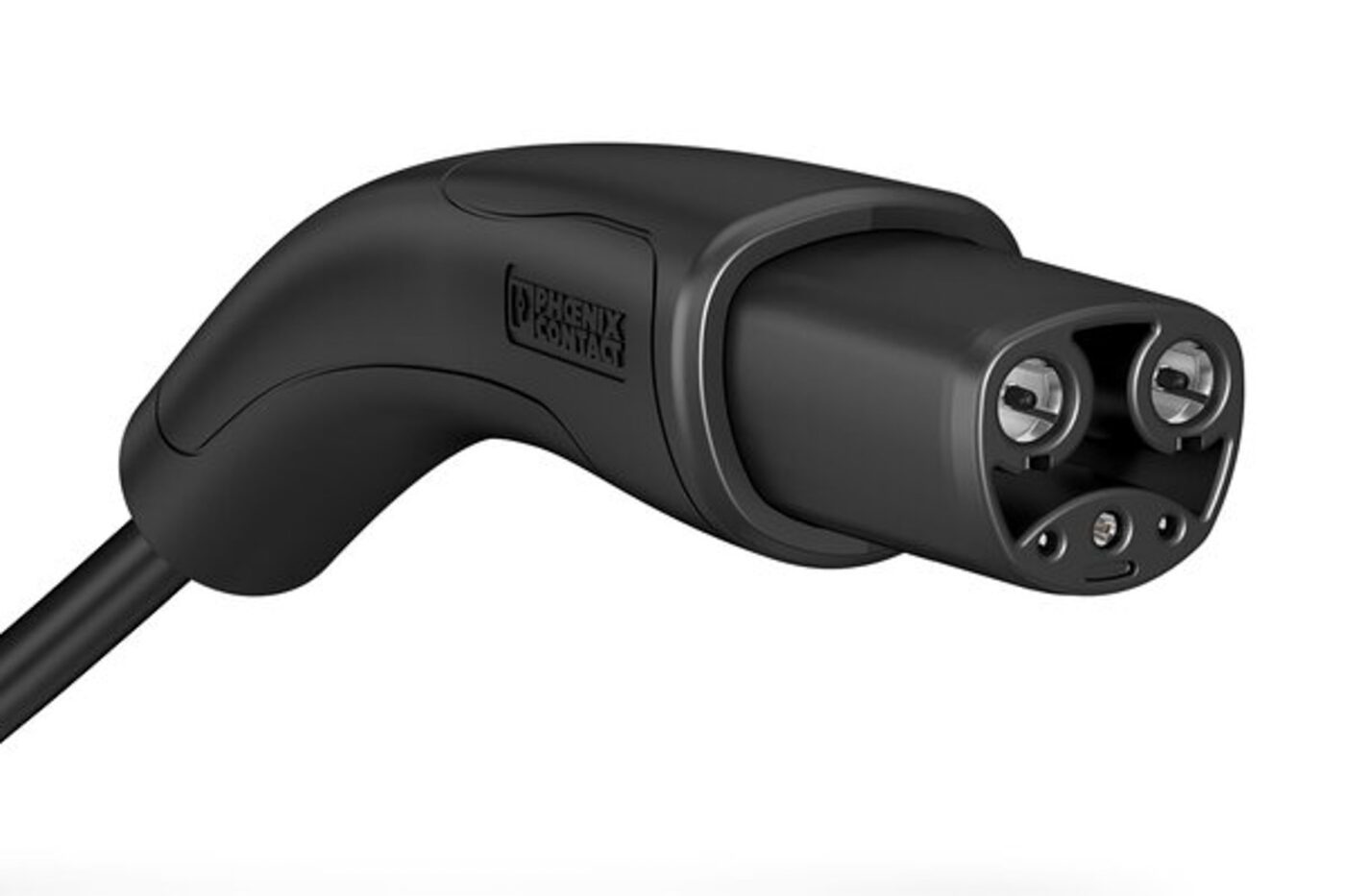
The global energy landscape continues its relentless shift, and a recent announcement from Mazda Motor Corporation regarding its electric vehicle (EV) charging strategy in Japan offers another critical data point for oil and gas investors. Mazda has officially committed to integrating Tesla’s North American Charging Standard (NACS) for its battery electric vehicles launched in Japan from 2027 onwards. This strategic alignment, while seemingly technical, carries profound implications for the pace of EV adoption in a major industrialized economy and, consequently, for future petroleum demand.
Mazda’s Strategic Pivot in Japan: Accelerating EV Momentum
Mazda’s decision to adopt NACS in its home market signals a significant acceleration in the electrification drive within the Japanese automotive sector. The agreement with Tesla will equip Mazda’s future EVs with NACS charging ports, granting customers direct access to Tesla’s extensive Supercharger network across Japan. This move is explicitly designed to enhance convenience for EV owners by expanding available charging options, a crucial factor in overcoming range anxiety and accelerating consumer uptake.
While Japan has seen the proliferation of CHAdeMO fast chargers, their expansion has faced challenges, creating a fragmented charging environment. By leveraging Tesla’s established and highly reliable infrastructure, Mazda bypasses the need to invest heavily in its own proprietary network or wait for broader industry standardization. This pragmatic approach, mirroring decisions made by numerous automakers in North America, positions Mazda to offer a more seamless and reliable charging experience from day one. Furthermore, the company notes that adapters will ensure compatibility with other charging standards beyond NACS, providing maximum flexibility for its customers.
This commitment to NACS in Japan follows a similar announcement made by Mazda in January 2024, where it confirmed NACS adoption for its U.S. models launching from 2025. While Mazda’s sole electric model, the MX-30, ceased U.S. sales in July 2023, the forward-looking strategy underscores a clear direction for its upcoming EV fleet. These actions by Mazda are not isolated; they represent a growing consensus among global automakers that leveraging a proven, widespread charging standard is a more efficient path to market than independent network development.
The NACS Phenomenon: A Global Blueprint for Charging Infrastructure
The story of NACS began in November 2022 when Tesla, Inc. made the proprietary design of its Supercharger connector openly available, rebranding it as the ‘North American Charging Standard.’ This move rapidly gained traction, culminating in its formal recognition as an SAE standard in December 2023. The subsequent cascade of announcements from major automotive players has been nothing short of transformative for the EV ecosystem.
Initially, industry giants like Ford and General Motors led the charge, declaring their intent to integrate NACS into their North American EV lineups. This was swiftly followed by commitments from premium German manufacturers such as Mercedes-Benz and BMW, alongside several other Japanese automakers. The primary driver behind this widespread embrace is economic efficiency and consumer utility. Tesla’s Supercharger network boasts unmatched density, reliability, and user experience in North America. For competing automakers, adopting NACS offers a substantially cheaper and quicker route to providing robust fast-charging access for their customers than attempting to build comparable proprietary networks from the ground up.
This precedent from North America now seems poised to influence other key markets. Mazda’s move in Japan suggests a potential replication of this consolidation. For oil and gas investors, this signifies a critical inflection point: the faster and more reliably EV charging infrastructure expands, the more rapidly internal combustion engine (ICE) vehicles will be supplanted, directly impacting gasoline and diesel demand forecasts.
Japan’s EV Landscape and the Ripple Effect on Oil Demand
Japan presents a unique market for EV adoption. As a nation heavily reliant on imported fossil fuels, accelerating the transition to electric mobility aligns with its long-term energy security objectives and climate commitments. While Mazda is currently the sole Japanese automaker to publicly commit to NACS for its domestic market, the broader industry is watching closely. Notably, giants like Toyota, Honda, Nissan, and Subaru have already pledged NACS adoption for their U.S. vehicles. The question now is whether they will extend this strategy to their home turf, particularly given the perceived advantages Mazda is seeking.
Should other major Japanese manufacturers follow Mazda’s lead, the impact on EV growth within Japan could be substantial. A unified, reliable charging standard significantly lowers barriers to entry for new EV buyers, accelerating market penetration. For oil and gas investors, this scenario demands close attention. Japan’s demand for refined petroleum products, particularly gasoline, remains a significant component of global consumption. Any accelerated shift away from ICE vehicles in Japan directly contributes to the narrative of peak oil demand and the long-term erosion of gasoline consumption.
The strategic decisions by automakers like Mazda are not merely about vehicle technology; they are about shaping the future energy mix. Each commitment to expand EV charging accessibility, especially through a robust and standardized network, chips away at the foundational demand for fossil fuels. This trend underscores the imperative for energy companies to diversify portfolios and adapt to a rapidly evolving global energy paradigm, where electrification is gaining undeniable momentum.
Investment Implications for the Oil & Gas Sector
For investors focused on the oil and gas sector, Mazda’s NACS adoption in Japan serves as another tangible indicator of the accelerating energy transition. While individual automaker decisions might seem granular, their cumulative effect across major economies is profound. As charging infrastructure becomes more ubiquitous and standardized, the economic friction of owning an EV diminishes, making electric mobility a more compelling choice for a wider consumer base.
Japan, a nation known for its technological prowess and early adoption of hybrid vehicles, is now clearly charting a course towards full electrification. The transition will not be instantaneous, but the strategic alignments seen with NACS provide a clearer runway for EV growth. This directly influences long-term projections for crude oil demand, particularly for fuels like gasoline. Investors should view such developments as confirmation of a macro trend: the slow but steady erosion of demand for traditional transportation fuels, requiring continuous reassessment of asset valuations and investment strategies within the petroleum industry.
The strategic adoption of NACS by Mazda in Japan is more than just a technical announcement; it is a critical bellwether for the future of electric mobility in one of the world’s most technologically advanced nations. As the charging infrastructure puzzle pieces fall into place, the impact on global oil demand forecasts becomes increasingly clear, underscoring the ongoing necessity for astute analysis and adaptation within the oil and gas investment community.