Strategic Shift: Public Transit Electrification Signals Enduring Oil Demand Erosion
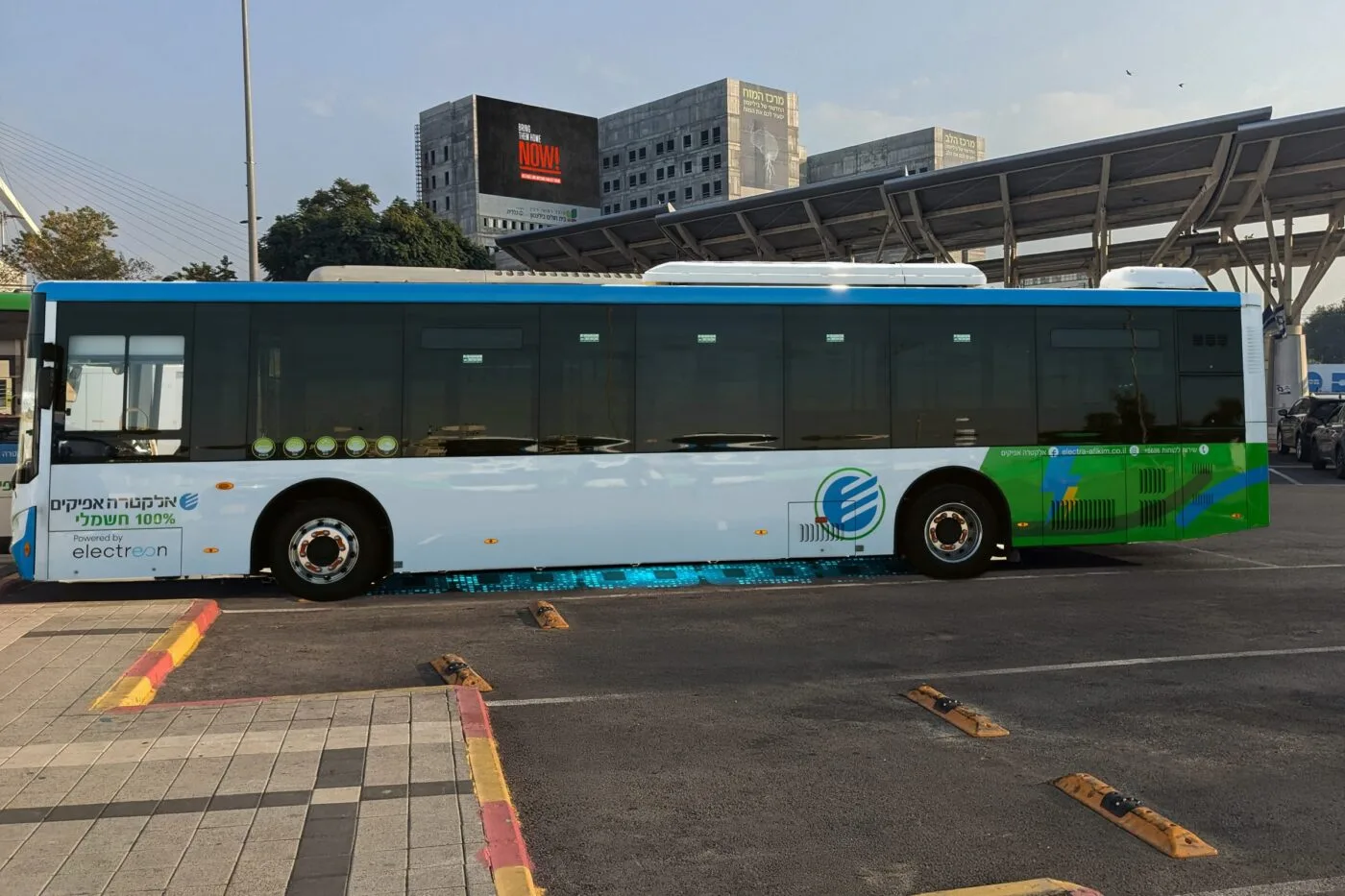
The global energy landscape continues its relentless transformation, with electrification in the transportation sector presenting a formidable challenge to traditional fossil fuel markets. A recent development in Israel underscores this trend, as public transport operator Electra Afikim moves to significantly expand its electric bus fleet’s charging infrastructure. This expansion, facilitated by wireless charging pioneer Electreon, represents more than just a technological upgrade; it’s a tangible indicator of accelerating shifts in refined product demand that oil and gas investors must closely monitor.
Electra Afikim has solidified its partnership with Electreon by commissioning a second major charging initiative. This decision follows a highly successful initial deployment at a bus depot in Rosh HaAyin, which commenced operations in November 2023. The performance of this inaugural project, where 23 electric buses have been consistently charged using Electreon’s inductive technology for over eighteen months, evidently exceeded expectations. The transport provider is now poised to integrate this innovative charging solution at its Ovnat terminal in Petah Tikva, a prominent Tel Aviv suburb situated near Rosh HaAyin.
Electreon’s Wireless Technology Gains Traction with Repeat Business
The vote of confidence from Electra Afikim is a powerful endorsement for Electreon’s wireless charging capabilities. Oren Ezer, Electreon’s CEO, articulated the significance of this repeat engagement, stating that “a returning customer is the best proof of the immediate value of Electreon’s wireless charging solution.” He expressed gratitude for Electra Afikim’s sustained trust, highlighting his belief that the inherent advantages of wireless technology—including extended driving range, significant operational cost efficiencies, and unparalleled convenience—will be pivotal in driving further domestic and international expansion for the company.
The new Ovnat terminal project marks a strategic evolution in the application of Electreon’s technology. Unlike the overnight and daytime parked charging model at the Rosh HaAyin depot, the Ovnat terminal will implement ‘opportunity charging.’ This advanced system integrates inductive charging coils beneath passenger waiting bays. This innovative setup enables electric buses to automatically recharge their batteries during the brief intervals when passengers embark and disembark. This method maximizes vehicle uptime and operational efficiency, reducing the need for lengthy off-service charging periods and potentially smaller, lighter battery packs. While Electreon has not disclosed the specific charging power levels at Ovnat, opportunity charging typically involves high-power delivery over short durations.
Opportunity Charging: Redefining Electric Bus Operations
Opportunity charging fundamentally alters the operational dynamics of electric public transit. Unlike conventional charging methods that require dedicated downtime, this seamless integration into routine stops ensures that buses are consistently topping up their power reserves without disrupting schedules. This approach is in stark contrast to other common opportunity charging solutions, such as pantograph chargers mounted on bus roofs, which require physical contact with an overhead charging system at terminal stops. Electreon’s inductive system, by contrast, operates wirelessly; a bus simply positions itself over the embedded ground coils, and charging commences automatically and instantaneously, without any driver intervention.
The benefits of this contact-less, automated charging are manifold. Electreon asserts that opportunity charging significantly extends the daily operational range of electric buses, allowing them to cover more ground without range anxiety. Furthermore, this method promotes the long-term health and longevity of vehicle batteries by avoiding deep discharge cycles and minimizing the strain of prolonged, high-power charging. By maximizing vehicle availability and reducing the necessity for oversized battery capacities, the system presents a compelling economic and operational advantage for transit operators. Its autonomous, 24/7 power delivery mechanism ensures continuous, uninterrupted service, further enhancing the efficiency of public transport networks. The Ovnat terminal, situated just eleven kilometers from the initial Rosh HaAyin depot, strategically expands the footprint of this innovative technology within a key urban corridor.
Investment Implications for the Oil and Gas Sector
For investors focused on the oil and gas sector, these developments are more than just niche advancements in clean technology; they represent critical leading indicators of an accelerating energy transition. The widespread adoption of electric vehicles, particularly in high-utilization fleets like public transportation, directly erodes demand for traditional refined products such as diesel and gasoline. Each electric bus deployed translates to a reduction in daily fuel consumption, contributing to a cumulative decline in overall crude oil demand over time.
As major global cities and transit authorities increasingly pivot towards electrification, the market for internal combustion engine buses will shrink. This structural shift in demand for transportation fuels will have profound long-term implications for refiners and upstream producers alike. Investors must consider how quickly this transition will scale and what strategies oil and gas majors are implementing to diversify their portfolios and adapt to a future with potentially lower hydrocarbon demand growth. The success of technologies like Electreon’s wireless charging will only hasten this demand destruction by making EV adoption more practical, efficient, and cost-effective for large-scale operations.
Navigating the Evolving Energy Landscape
The expansion of Electreon’s wireless charging network in Israel serves as a microcosm of a much larger global trend. Governments and municipalities worldwide are setting ambitious targets for decarbonization, with public transit often at the forefront of these initiatives. As charging infrastructure becomes more sophisticated, reliable, and invisible, the barriers to large-scale EV adoption diminish significantly. This seamless integration of charging into daily operations not only improves the economics of electric fleets but also enhances their public acceptance and reliability.
Oil and gas financial journalists and investors must continue to track these technological advancements and policy shifts. The transition away from fossil fuels in transportation is not a distant future scenario but a present reality, actively shaping investment decisions and long-term strategic planning. Companies that innovate in energy storage, smart grids, and efficient charging solutions are poised to capture significant market share in the evolving energy ecosystem. Conversely, those heavily reliant on traditional fuel markets face increasing pressure to adapt or risk being left behind in a rapidly electrifying world. The trajectory set by Electra Afikim and Electreon offers a clear glimpse into the future of urban mobility and its undeniable impact on global oil demand.


