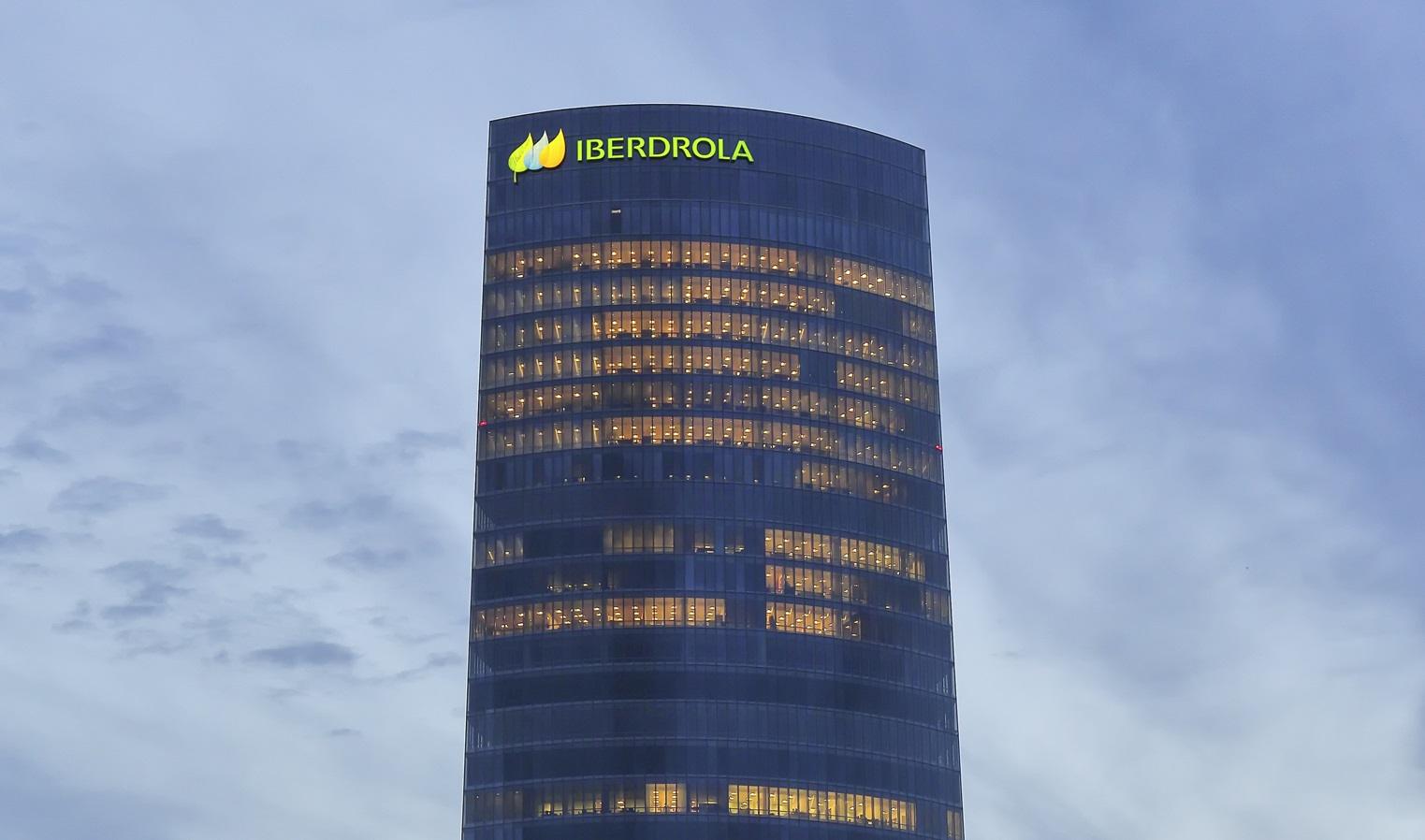
The global energy investment landscape is undergoing a profound transformation, and nowhere is this more evident than in the recent success of Iberdrola’s latest green bond offering. Raising a significant €750 million, this bond not only marked a milestone as the first issued under the rigorous new European Green Bond (EuGB) standard but also showcased an unprecedented level of investor appetite. The transaction, five times oversubscribed, drew an order book exceeding €3.7 billion from over 170 investors, making it Iberdrola’s largest senior transaction book since 2021. For oil and gas investors, this event isn’t just a headline for a utility company; it’s a critical signal about capital allocation trends, the increasing cost of capital for traditional energy, and the accelerating shift towards sustainable finance that demands strategic re-evaluation.
The “Gold Standard” Attracts Unprecedented Capital
Iberdrola’s green bond success is a testament to the market’s hunger for credible, transparent sustainable investment vehicles. The bond’s adherence to both the EuGB standard and the ICMA Green Bond Principles establishes a new benchmark for integrity in green finance. Adopted in November 2023 and taking effect in December 2024, the EuGB regulation aims to combat greenwashing by mandating that all proceeds be invested in economic activities aligned with the EU Taxonomy. This strict framework, coupled with requirements for transparency, a clear green transition plan, and robust reporting, provides investors with the assurance they seek. The €3.7 billion in orders, vastly exceeding the €750 million target, underscores that institutional capital is not just interested in ESG – it’s actively seeking out and rewarding instruments that offer genuine, verifiable environmental impact. For traditional oil and gas companies, this implies a growing bifurcation in capital markets, where projects lacking clear sustainability credentials may face higher hurdles and a shrinking pool of willing investors.
Contrasting Capital Flows: Green Bonds vs. Crude Volatility
The overwhelming demand for Iberdrola’s green bond offers a stark contrast to the persistent volatility observed in traditional energy markets. As of today, Brent Crude trades at $95.16, marking a modest +0.39% gain on the day, while WTI Crude is slightly down at $91.04. However, looking at the broader picture, our proprietary data reveals a 14-day Brent trend from $102.22 on March 25th to $93.22 on April 14th, representing a significant $9 (or 8.8%) decline over that period. This recent downward pressure on crude prices, even amidst geopolitical uncertainties, highlights the inherent cyclicality and supply-demand sensitivities in the oil market. While the daily fluctuations are par for the course, the long-term capital flows tell a different story. Investors are increasingly allocating capital to assets perceived as stable, long-term growth opportunities aligned with global decarbonization efforts, rather than solely chasing the short-term swings of commodity prices. Iberdrola, with 94% of its 2024 financing categorized as sustainable and over €60 billion in sustainable financing by year-end 2024, exemplifies this strategic shift, directing proceeds from offerings like this new bond directly into renewable projects.
Navigating the Future: Green Momentum Meets Upcoming Energy Events
The success of Iberdrola’s green bond signals a powerful momentum in sustainable finance, a trend that will undoubtedly influence long-term investment strategies across the energy spectrum. Looking ahead, the coming weeks present critical junctures for traditional oil and gas markets, with several key events on our calendar. We anticipate the Baker Hughes Rig Count on April 17th and 24th, providing insights into North American drilling activity. More crucially, the OPEC+ JMMC meeting on April 18th, followed by the Full Ministerial meeting on April 20th, will be closely watched. Any shifts in production quotas or rhetoric from these meetings could trigger significant price movements. Meanwhile, the API and EIA Weekly Crude Inventory reports on April 21st/22nd and April 28th/29th will offer fresh data on supply-demand balances. While these events dictate short-to-medium term oil price dynamics, the underlying capital shift towards instruments like EuGBs suggests a fundamental re-evaluation of long-term risk and return. Investors must weigh the potential for near-term commodity gains against the escalating cost of capital and regulatory pressures facing traditional hydrocarbon projects, especially as more stringent standards like the EuGB become the norm.
Investor Mandates and the Evolving Energy Portfolio
Our reader intent data consistently shows investors grappling with complex questions, such as “Build a base-case Brent price forecast for next quarter” and “What is the consensus 2026 Brent forecast?” These inquiries underscore a persistent focus on traditional commodity price outlooks. However, the Iberdrola green bond story highlights a critical parallel consideration: the evolving mandates of capital. The strong demand for high-integrity green bonds is not merely an ethical choice; it’s increasingly a strategic one driven by institutional mandates, regulatory pressures, and a recognition of long-term value creation in the energy transition. For oil and gas investors, this means that while understanding factors like Chinese teapot refinery runs or Asian LNG spot prices remains vital for short-term tactical plays, a more holistic view of capital markets is essential. Companies that can articulate a credible transition strategy, secure financing through instruments like EuGBs, and diversify their energy portfolios are likely to attract lower-cost capital and achieve greater resilience. This dual focus – managing traditional energy exposure while strategically investing in or adapting to the green transition – will define success in the coming years.
In conclusion, the record interest in Iberdrola’s EuGB-compliant green bond is far more than a corporate finance anecdote. It’s a powerful indicator of where significant capital is flowing within the global energy sector, driven by a demand for transparency, verifiable impact, and alignment with a decarbonized future. For oil and gas investors, this shift presents both challenges and opportunities, compelling a re-assessment of portfolio construction and a closer look at companies positioned to thrive in an increasingly bifurcated energy market.


