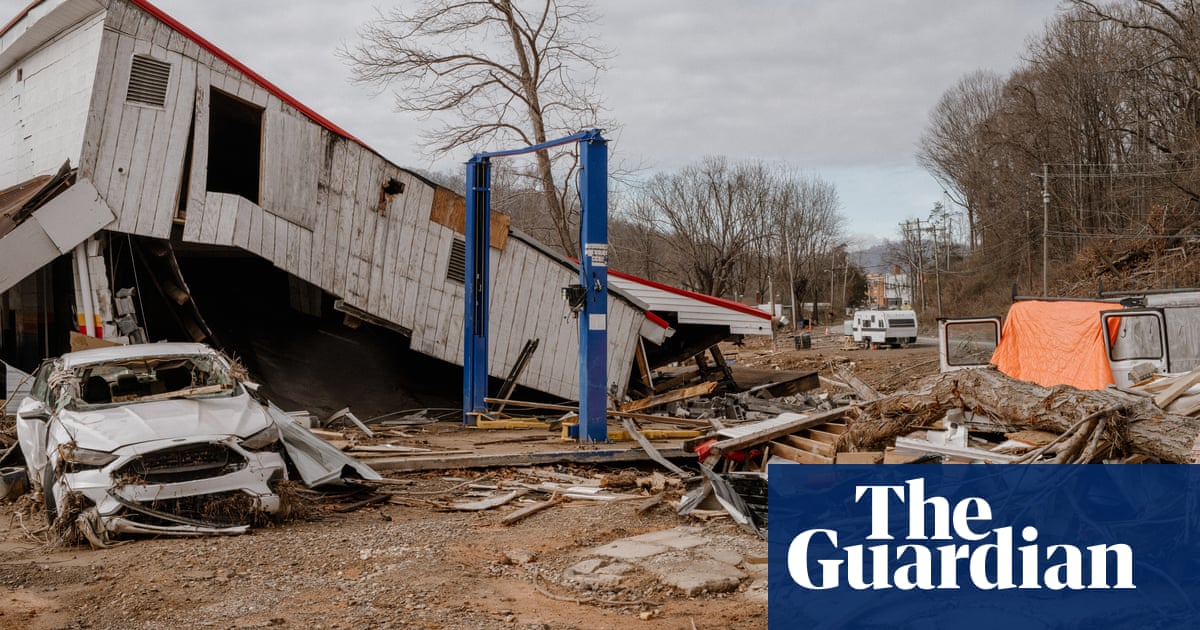
The financial landscape for oil and gas investors is teetering on a precipice, facing potentially heightened operational and monetary risks. A prominent expert in emergency management has issued a stark warning regarding the far-reaching consequences of proposed federal budgetary reductions impacting critical disaster response agencies. Should these cuts materialize, they stand to severely erode the nation’s capability to accurately anticipate, prepare for, and effectively manage an increasing array of extreme climatic events, seismic disturbances, and public health emergencies. The ramifications for vital energy infrastructure – spanning from offshore drilling platforms and sophisticated refineries to extensive pipeline networks – are significant and warrant immediate investor attention.
Escalating Human and Economic Costs Foreseen
Professor Samantha Montano, a recognized authority on emergency management affiliated with the Massachusetts Maritime Academy and author of “Disasterology: Dispatches from the Frontlines of the Climate Crisis,” has highlighted a troubling trajectory. She cautions that the human toll from devastating occurrences, including powerful hurricanes, destructive tornadoes, and widespread environmental contamination incidents, is set to rise across the United States unless planned workforce reductions and funding curtailments for essential agencies are reversed. Key organizations like the Federal Emergency Management Agency (FEMA), which profoundly relies on the scientific contributions of the National Oceanic and Atmospheric Administration (NOAA), are at the forefront of these potential structural weaknesses.
Crippled Forecasting and Operational Vulnerabilities
At the heart of this escalating concern lies a critical degradation of data-driven decision-making processes. Montano underscores that while the overall threat level from various hazards has intensified, the very systems designed to manage these emergencies are simultaneously being compromised. Energy enterprises, particularly those with significant coastal assets or intricate logistical supply chains, are deeply dependent on precise meteorological and environmental intelligence. This data is crucial for safeguarding personnel, protecting invaluable infrastructure, and ensuring continuous operational flow. Without the robust data streams historically supplied by NOAA and other scientific bodies, emergency managers, and by direct extension, the private sector, would find themselves operating with severely diminished situational awareness.
This scenario of “operating in the dark” carries profound financial and safety implications for the global energy sector. Historical records indicate that periods lacking advanced weather intelligence correlation with dramatically elevated fatality rates. For the oil and gas industry, this translates into an amplified risk of costly platform evacuations, extensive pipeline damage, prolonged refinery shutdowns, and widespread supply chain disruptions that could send shockwaves through international markets. While the exact timing of a catastrophic system failure remains unpredictable, the current trajectory, if existing policies persist, points toward increased devastation and substantially higher expenditures for both energy companies and their discerning investors.
The Expanding Spectrum of Disaster Risk for Energy Infrastructure
The scope of effective emergency management encompasses a comprehensive array of threats, extending well beyond conventional meteorological events like hurricanes and tornadoes. It involves critical phases of mitigation, preparedness, response, and recovery for a multitude of potential incidents. This includes the growing danger posed by seismic events impacting pipelines and processing plants, the increasing frequency and intensity of wildfires threatening remote upstream operations and midstream corridors, sophisticated cyberattacks targeting operational technology systems, and unforeseen public health crises that can disrupt workforces and demand supply. Each of these scenarios presents unique challenges to oil and gas infrastructure, demanding robust, data-informed strategies that could be jeopardized by federal agency cutbacks.
Direct Economic Fallout and Erosion of Shareholder Value
The financial ramifications of diminished disaster preparedness are manifold for oil and gas companies and their shareholders. Direct damage to critical infrastructure, such as offshore platforms, onshore wells, processing facilities, and transportation networks, can lead to multi-billion-dollar repair bills and prolonged periods of operational shutdowns. Such disruptions not only halt production and revenue streams but also contribute to significant market volatility, impacting commodity prices and investor confidence. Furthermore, increased frequency and severity of incidents will inevitably lead to higher insurance premiums and, in some cases, difficulty in securing adequate coverage, pushing more risk onto company balance sheets. These costs directly erode profitability and, by extension, shareholder value over the long term, making investment propositions less attractive.
Heightened Regulatory Scrutiny and Reputation Risk
Beyond the immediate financial and operational setbacks, companies operating within a weakened disaster management framework face amplified regulatory scrutiny following any major incident. Governments and public bodies are likely to impose stricter compliance requirements and potentially heavier fines on firms perceived as unprepared or negligent. Simultaneously, a company’s brand reputation can suffer irreparable damage in the wake of a poorly managed disaster, particularly in an era of heightened environmental, social, and governance (ESG) consciousness. Public trust, once lost, is exceedingly difficult to regain, impacting everything from community relations and permitting processes to attracting and retaining top talent. Investors are increasingly evaluating companies not just on their financial performance but also on their resilience, ethical conduct, and commitment to safety and environmental stewardship.
Investor Imperatives: Reassessing Risk in O&G Portfolios
For astute investors in the oil and gas sector, these looming threats necessitate a fundamental reassessment of traditional risk models. Due diligence must now extend beyond standard financial metrics to deeply scrutinize a company’s explicit resilience plans, its investment in preventative measures, and its capacity to quickly recover from disruptive events. This includes evaluating their reliance on public emergency services and their internal capabilities should those services be compromised. Diversification across different geographical regions and asset types, coupled with a keen understanding of local hazard profiles, becomes increasingly vital. The long-term implications of these proposed federal cuts suggest a future where operational stability, and thus investment security, will be more challenging to maintain. Investors are encouraged to prioritize companies demonstrating robust disaster preparedness strategies and a proactive approach to managing an evolving risk environment, ensuring their portfolios are shielded against these emerging vulnerabilities.


