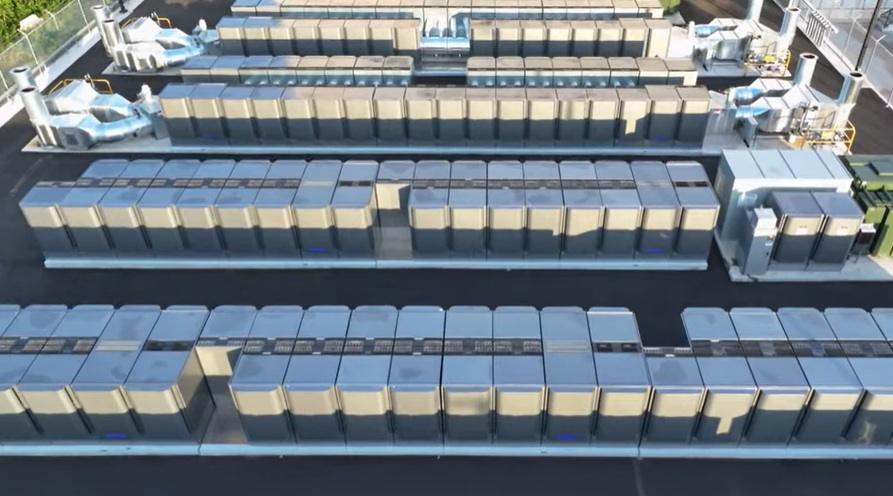
The energy landscape is undergoing a profound transformation, driven by an unprecedented surge in demand from artificial intelligence infrastructure. A recent announcement highlights this shift: Brookfield Asset Management is committing up to $5 billion to deploy Bloom Energy’s advanced fuel cell technology across its global AI data centers. This massive investment signals a strategic pivot towards distributed, lower-carbon power solutions, directly addressing the escalating energy needs of the AI revolution and the inherent limitations of traditional grid infrastructure. For investors in the oil and gas sector, this partnership represents more than just a headline; it underscores the critical intersection of digitalization, decarbonization, and energy security that will shape future market dynamics.
AI’s Insatiable Appetite: Reshaping Energy Demand
The exponential growth of artificial intelligence is creating an entirely new class of energy consumer: the AI factory. These facilities demand vast amounts of power, far beyond what conventional data centers require, and critically, they need it rapidly deployed and with real-time responsiveness. Traditional electrical grids, designed for more predictable, centralized consumption, are struggling to keep pace. This “grid gap” is precisely where innovative solutions like Bloom Energy’s fuel cells gain prominence. By providing reliable, scalable, and clean onsite power, fuel cells enable the rapid establishment of AI infrastructure without waiting for grid upgrades or extensions. This trend, a core component of Brookfield’s “AI Infrastructure strategy,” positions behind-the-meter power solutions as essential, not just supplementary, for future digital growth. Investors should recognize that the energy intensity of AI is not a niche concern but a fundamental driver creating new opportunities and challenges across the entire energy supply chain.
Decarbonization and Distributed Power: A Strategic Imperative
Brookfield’s investment in Bloom Energy’s solid oxide fuel cell technology is a clear endorsement of distributed generation as a cornerstone of modern energy infrastructure, particularly within the context of decarbonization. Bloom’s solutions generate electricity through an electrochemical process that combines hydrogen and oxygen, offering a lower-carbon alternative to traditional fossil fuel-based power generation. This aligns perfectly with the “Decarbonization” megatrend identified by Brookfield, alongside Digitalization and Deglobalization. The partnership isn’t just about meeting demand; it’s about meeting demand sustainably and reliably. For energy investors, this signals a growing premium on technologies that can deliver both power and environmental benefits. Companies capable of integrating renewable sources, providing energy storage, or offering efficient, lower-carbon onsite generation are increasingly attractive, even as the broader energy transition continues to evolve.
Navigating Volatility: Traditional Oil & Gas in a Shifting Landscape
Even as new energy paradigms emerge, the traditional oil and gas market continues to navigate significant volatility, a reality underscored by recent price movements. As of today, Brent crude trades at $90.38 per barrel, representing a notable 9.07% decline in a single day, within a range that saw prices drop from $98.97 to $86.08. Similarly, WTI crude is at $82.59, down 9.41% on the day. This downward pressure continues a broader trend, with Brent having fallen by nearly 20% from $112.78 just a few weeks ago. These sharp movements highlight the ongoing sensitivity of crude prices to global supply and demand signals, geopolitical events, and macroeconomic indicators. Our readers are keenly watching this, with frequent questions about the end-of-year oil price outlook and OPEC+ production quotas.
Looking ahead, investors in the traditional oil sector will be closely monitoring upcoming events. The OPEC+ Joint Ministerial Monitoring Committee (JMMC) meeting on April 19th, followed by the full OPEC+ Ministerial Meeting on April 20th, are pivotal. These gatherings will likely address current market conditions and potentially influence production targets, directly impacting global supply. Further insights into U.S. inventory levels will come from the API Weekly Crude Inventory reports on April 21st and 28th, and the EIA Weekly Petroleum Status Reports on April 22nd and 29th. These data points, combined with the Baker Hughes Rig Count on April 24th and May 1st, will offer a clearer picture of short-term supply-demand dynamics. While the Brookfield-Bloom deal points to long-term structural changes, these near-term events remain crucial for managing positions in the traditional oil and gas market.
Strategic Implications for Energy Investors
The Brookfield-Bloom Energy partnership illustrates a powerful investment thesis: the future of energy infrastructure will be highly distributed, increasingly decarbonized, and deeply integrated with digital demands. For investors in the broader energy sector, this necessitates a diversified approach. While traditional oil and gas will remain vital for years to come, evidenced by the persistent reader interest in future oil prices and OPEC+ strategy, growth opportunities are undeniably emerging in areas like distributed power, advanced energy technologies, and AI infrastructure. The question of “what do you predict the price of oil per barrel will be by end of 2026?” from our readers is now influenced not just by OPEC+ decisions and geopolitical stability, but also by the pace at which new energy consumers like AI data centers shift their power sourcing strategies.
Companies that can innovate in power generation, storage, and grid management will capture significant market share. This doesn’t mean exiting traditional energy, but rather recognizing the evolving landscape where capital deployment is increasingly directed towards solutions that offer reliability, scalability, and lower emissions. The partnership’s commitment to announcing its first European site this year underscores the immediate global applicability of this strategy. Energy investors must consider how their portfolios are positioned to capitalize on both the enduring fundamentals of traditional energy and the explosive growth in demand for intelligent, sustainable, and resilient power solutions.


