The Geopolitical Volatility Paradox: Analyzing Oil’s Recent Price Action Amidst Gulf Tensions
Recent headlines painted a dramatic picture of surging oil prices and escalating geopolitical tensions in the Gulf, sending shockwaves through Asian equity markets. While the immediate reaction saw Brent crude spike over 5% following reports of Iranian attacks on key energy infrastructure, a deeper dive into our proprietary market data reveals a more nuanced, and perhaps contradictory, narrative for investors. Understanding this divergence between initial panic and current market reality is crucial for making informed decisions in today’s volatile energy landscape.
Deconstructing the Market’s Reaction: From Spike to Steady Decline
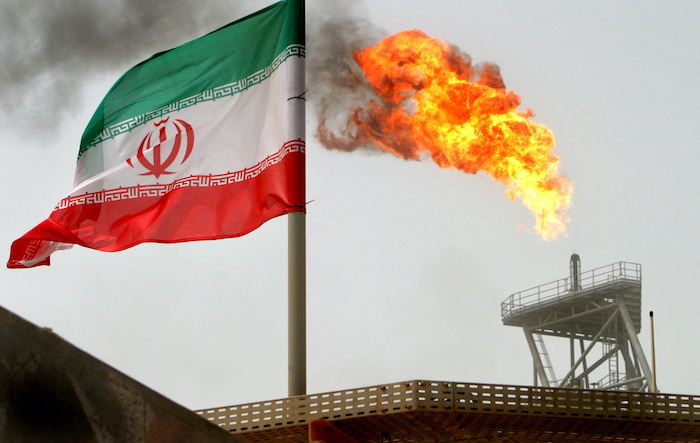
The initial reports of Iranian missile strikes targeting Qatar’s Ras Laffan LNG hub and threats against the South Pars gas field certainly triggered an immediate, sharp upward movement in crude prices. The narrative of disrupted supply, particularly impacting critical liquefied natural gas (LNG) flows to Europe, fueled significant investor concern. Indeed, European gas prices reportedly jumped more than 30% on the news, reflecting the gravity of the perceived threat to this vital energy artery. US President Donald Trump’s strong warnings about the potential for massive retaliation further amplified market anxiety, as did reports of missile debris impacting facilities in Abu Dhabi and the implied closure risk to the Strait of Hormuz.
However, the market’s initial fear has since given way to a reassessment. As of today, Brent Crude trades at $92.1 per barrel, down 1.22% on the day, with WTI Crude at $88.39, experiencing a 1.43% decline. This stands in stark contrast to the $113.77 peak Brent reached during the height of the reported escalation. Our 14-day Brent trend data further illustrates this point, showing a decline from $101.16 at the start of April to $94.09 yesterday, and now continuing its downward trajectory. This significant retraction suggests that either the perceived long-term supply threat has diminished, or that global economic concerns and underlying supply-demand dynamics are exerting greater influence than immediate geopolitical flare-ups. Investors appear to be pricing in a swift de-escalation or a resilience in supply chains that can absorb localized disruptions.
Geopolitical Flashpoints and Enduring Supply Vulnerabilities
While the immediate market reaction has softened, the underlying geopolitical risks in the Gulf remain potent. The targeting of energy infrastructure, including the world’s largest LNG hub at Ras Laffan and facilities tied to the massive South Pars field, highlights the extreme vulnerability of global energy supplies to regional conflicts. Iran’s Revolutionary Guards’ explicit threats of continued attacks on energy infrastructure, should provocations recur, underscore a persistent and dangerous game of brinkmanship. French President Emmanuel Macron’s call for a moratorium on targeting civilian infrastructure, particularly energy and water, reflects the international community’s deep concern over the potential for uncontrollable consequences, as echoed by Iranian President Masoud Pezeshkian.
The Strait of Hormuz, through which a fifth of global oil supplies typically transit, remains a critical choke point. Even if not “effectively closed” in an absolute sense, any heightened risk or operational disruption in this vital waterway can send ripples across global energy markets, impacting shipping costs, insurance premiums, and ultimately, crude prices. Investors must continue to monitor these flashpoints closely, as any miscalculation or escalation could quickly reverse the current market calm and trigger another significant price spike, regardless of broader demand trends.
Navigating the Future: Upcoming Catalysts and Investor Outlook
Our internal reader intent data indicates that investors are keenly focused on the future direction of oil prices, with common questions revolving around whether WTI is heading up or down, and what the price of oil per barrel might be by the end of 2026. This forward-looking perspective is critical, especially given the current market’s apparent disconnect from recent geopolitical alarms. Several upcoming events on the energy calendar will provide fresh data points that could significantly influence short-to-medium term price movements.
Investors should pay close attention to the EIA Weekly Petroleum Status Reports scheduled for April 22nd, April 29th, and May 6th. These reports offer crucial insights into U.S. crude oil, gasoline, and distillate inventories, refining activity, and demand indicators. Unexpected builds or draws can significantly impact investor sentiment. Similarly, the Baker Hughes Rig Count on April 24th and May 1st will provide a barometer of North American drilling activity, influencing expectations for future supply. The API Weekly Crude Inventory reports on April 28th and May 5th will offer an early glimpse ahead of the official EIA data. Perhaps most significantly, the EIA Short-Term Energy Outlook on May 2nd will present the agency’s updated forecasts for supply, demand, and prices, offering a foundational perspective for the broader market outlook. These scheduled releases will be instrumental in shaping investor expectations and potentially guiding the price direction for the coming weeks, providing more concrete answers to the immediate “up or down” question that preoccupies many of our readers.
Looking further out to the end of 2026, the trajectory of crude prices will depend on a complex interplay of continued geopolitical stability in the Gulf, the pace of global economic recovery, the discipline of OPEC+ producers, and the long-term energy transition narrative. While recent events highlight enduring supply-side risks, the market’s current pullback suggests that investors are also weighing demand-side uncertainties and the resilience of global supply chains. For sophisticated investors, this environment demands a vigilant approach, balancing the potential for sudden price surges from geopolitical events with a rigorous analysis of fundamental supply and demand dynamics.