2025 Wildfires: An Urgent Investment Alert for US Oil & Gas
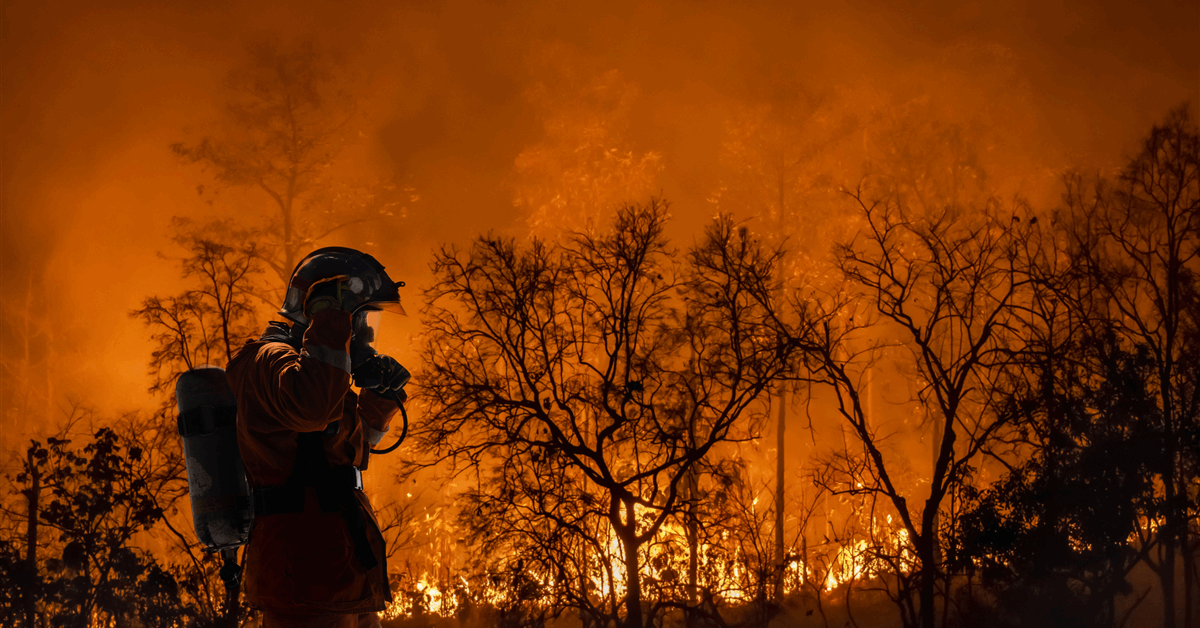
The North American energy sector faces an unprecedented challenge in 2025, as forecasters predict an exceptionally severe wildfire season across the United States. This escalating environmental threat is no longer merely an ecological concern; it presents a material risk that demands immediate attention from oil and gas investors. The potential for widespread disruptions to crucial energy infrastructure and supply chains could significantly impact operational continuity and financial performance across the industry.
Early indicators for the current year already paint a stark picture, with nearly one million acres consumed by fires across 20 states. This serves as a potent prelude to what experts anticipate for the full calendar year. Long-range weather projections suggest between seven and nine million acres will burn nationwide, a figure that substantially exceeds typical historical averages. For context, last year’s wildfire season saw close to nine million acres scorched. While peak wildfire activity traditionally occurs later in the summer and extends into autumn, the current early-season blazes signify an immediate and heightened danger, particularly in regions already grappling with significant drought conditions following the winter months.
Drought’s Relentless Grip: Fueling the Energy Sector’s Fire Risk
Underpinning this dire wildfire forecast is a widespread and deepening drought across the United States. Approximately half of the nation is currently experiencing abnormally dry conditions or outright drought. More critically, nearly nine percent of the country finds itself in an extreme or exceptional drought classification, a proportion significantly higher than at this point last year. This concerning environmental backdrop creates an inherently volatile situation for the energy sector, transforming vast landscapes into tinderboxes primed for ignition.
While some localized relief from drought has been observed in the northern Mid-Atlantic states, offering a temporary reprieve from immediate fire risk in those specific areas, the overall national outlook remains precarious. Climate experts warn that even with regional improvements, the persistent presence of cold fronts can still contribute to fire propagation through strong winds and drying effects. The transition from spring to summer is widely expected to further prime the environment for intensified wildfire activity. Although the season might commence slowly in some areas, the strong potential for rapid escalation looms large as drought conditions deepen and summer heat takes its inexorable hold. This period sees grasses, brush, and other vegetation become increasingly parched, transforming into highly flammable fuel, easily ignited by natural trigger mechanisms such as lightning strikes or exacerbated by strong winds.
Logistical Hurdles and Infrastructure Vulnerability for Oil and Gas Transport
For investors navigating the complexities of the oil and gas sector, the primary and most immediate concern centers on the integrity and fluidity of transportation networks. Wildfires occurring in proximity to critical rail lines can severely impede the efficient movement of essential commodities, including crude oil, refined products, and natural gas. Such disruptions often compel rail operators to implement safety protocols, reducing speeds or, in severe cases, halting shipments entirely. The consequence is a cascade of costly delays, potential backlogs at terminals, and increased demurrage charges, all of which directly impact profitability and supply chain reliability.
While not as frequently impacted by prolonged closures as rail, roadways are also highly susceptible to disruptions from wildfire activity. Although road closures are often temporary, prolonged unavailability can have significant localized impacts. These closures can hinder the movement of vital personnel to operational sites, delay the delivery of crucial equipment and supplies, and disrupt the distribution of fuels to end-users, potentially leading to temporary localized price spikes. Beyond transportation, the direct threat of approaching fires to field assets such as wellheads, processing plants, and storage facilities presents a grave concern, requiring costly emergency response, potential evacuations, and possible damage or destruction.
The interconnected nature of energy infrastructure means that even fires miles away from direct assets can cause cascading issues. Power outages, for instance, are common in wildfire zones, which can cripple pumping stations, processing units, and communication systems essential for continuous operations. Water scarcity, exacerbated by drought, also poses an operational challenge, particularly for drilling and fracking activities that rely heavily on water resources. These multifaceted risks underscore the need for a comprehensive assessment of exposure.
Strategic Imperatives for Energy Investors Amidst Wildfire Risk
Given the escalating and widespread nature of the 2025 wildfire threat, oil and gas investors must proactively integrate this risk into their due diligence and portfolio management strategies. Understanding the geographic concentration of an investment’s assets relative to high-risk wildfire zones is paramount. Companies with significant infrastructure or operational footprints in areas prone to extreme drought and intense fire activity may face heightened operational expenditure, insurance costs, and potential for revenue impairment.
Investors should scrutinize the resilience of their portfolio companies’ supply chains, evaluating their emergency response protocols, rerouting capabilities, and contingency plans for infrastructure outages. Furthermore, the potential for regional price volatility due to supply disruptions could create both risks and opportunities, necessitating a keen awareness of market dynamics. Companies demonstrating robust environmental, social, and governance (ESG) frameworks that include comprehensive wildfire mitigation and adaptation strategies may prove more resilient in this challenging environment. As the 2025 wildfire season unfolds, continuous monitoring and adaptive investment strategies will be crucial for navigating the inherent risks and safeguarding capital in the US oil and gas sector.