The Climate Policy Crossroads: COP30’s ‘Roadmap’ Ambitions Reshape O&G Outlook
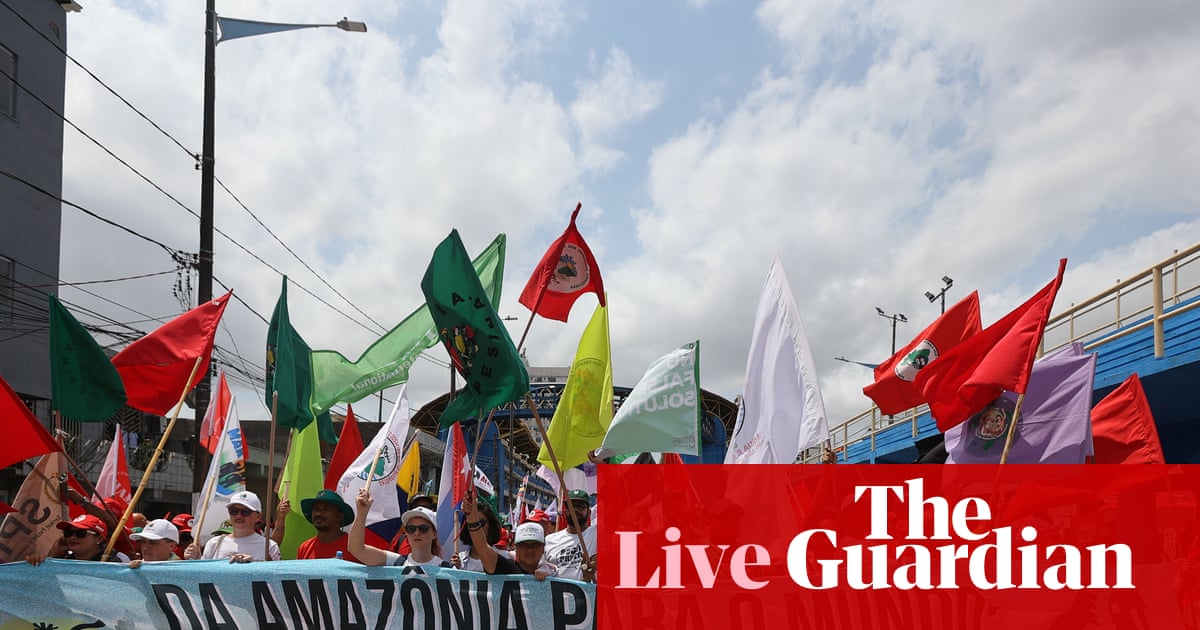
While daily price movements often dominate the headlines, the long-term structural shifts driven by global climate policy, particularly around the United Nations Climate Change Conferences (COPs), are increasingly critical for oil and gas investment theses. COP30, dubbed the “Cop of Truth” by Brazil’s President Lula da Silva, is poised to lay down “roadmaps” that could significantly tighten the regulatory landscape for fossil fuels. This urgency is amplified by persistent scientific projections, including forecasts suggesting a path towards 2.5C warming, which compel nations to accelerate decarbonization efforts. For investors, understanding these evolving policy frameworks is paramount to navigating future market dynamics and capital allocation in the energy sector.
Market Turbulence: Brent’s Sharp Decline Amidst Climate Headwinds
The immediate market picture presents a challenging backdrop for oil and gas. As of today, Brent crude trades at $90.38 per barrel, marking a significant 9.07% decline within the day, following a broader retreat from $112.78 just two weeks ago – a nearly 20% drop. Similarly, WTI crude has fallen to $82.59, down 9.41% today, with gasoline prices also seeing a 5.18% reduction to $2.93. This pronounced volatility isn’t simply a function of immediate supply/demand fundamentals; it reflects a complex interplay of geopolitical tensions, economic uncertainty, and the growing pressure from global climate initiatives. Our proprietary reader intent data reveals investors are actively grappling with this, frequently asking “is WTI going up or down?” The current downward trend suggests market participants are pricing in various risks, including potential demand destruction from economic slowdowns and the long-term threat of tightened fossil fuel regulations emanating from forums like COP30, which aims to formalize a “transition away from fossil fuels” promised at COP28.
Upcoming Catalysts and the Long View: Navigating Immediate Signals and Future Policy
In the immediate term, investors will keenly watch a series of critical energy events. The OPEC+ Joint Ministerial Monitoring Committee (JMMC) Meeting on April 19th, followed by the full OPEC+ Ministerial Meeting on April 20th, are crucial for short-term supply guidance, especially against the backdrop of recent price declines. These will be followed by the API Weekly Crude Inventory report on April 21st and the EIA Weekly Petroleum Status Report on April 22nd, providing vital insights into U.S. demand and inventory levels. Further ahead, the Baker Hughes Rig Count on April 24th and May 1st will indicate drilling activity and future production trends, with subsequent API and EIA reports scheduled for April 28th and 29th. Our analysis suggests that while these events provide tactical trading opportunities, strategic oil and gas investors must increasingly factor in the forward-looking policy environment. Brazil’s Environment Minister, Marina Silva, emphasized that the “map is an answer to our scientific knowledge” of the climate crisis, underscoring that the “roadmaps” being discussed at COP30, even if not immediately binding, set a powerful trajectory for future carbon pricing, subsidies, and investment frameworks that will materially impact the industry beyond quarterly earnings.
Investor Sentiment: Pricing in Policy Risk and Future Returns
The broad market uncertainty, reflected in investor questions such as “what do you predict the price of oil per barrel will be by end of 2026?” and “How well do you think Repsol will end in April 2026?”, underscores a fundamental challenge: how to model long-term returns in an industry facing increasing political and regulatory headwinds. The push for “roadmaps” at COP30 aims to clarify the pathway to decarbonization and could introduce significant financial mechanisms. The Baku to Belem roadmap, for instance, proposes options like levies on frequent flyers and fossil fuels, or new financial transaction taxes, all designed to raise $1.3 trillion annually for developing countries by 2035. For integrated energy companies like Repsol, which have significant upstream and downstream operations, performance will hinge not only on crude price stability but also on their ability to adapt to these evolving climate policies. The proposed levies and taxes could directly impact profitability, necessitating robust transition strategies, diversified energy portfolios, and a keen eye on compliance costs. The increasing focus on climate finance signals a significant shift in capital allocation priorities, directing funds away from traditional fossil fuel investments and towards greener alternatives, thus elevating the cost of capital for conventional projects.
The Geopolitics of Climate: COP31 and the Future Regulatory Landscape
Even the procedural struggle over where COP31 will be held – with Australia and Turkey in a protracted stalemate, despite negotiations and proposals – serves as a microcosm of the complex geopolitical dynamics influencing climate policy. The inability to swiftly agree on a host highlights deeper divisions that could impede consensus on more substantive “roadmaps” for fossil fuel transitions. This political friction adds another layer of uncertainty for oil and gas investors, who require clarity on global climate commitments to make sound long-term capital allocation decisions. The consistent 2.5C warming forecasts are not merely scientific projections; they are powerful political catalysts driving these discussions, accelerating the push for stricter regulations, and ultimately shaping the investment landscape for the entire energy sector. Investors must therefore look beyond the immediate market signals and carefully assess the long-term implications of these global climate policy shifts on their portfolios.